COP has a guest-list problem
“The entire conversation around climate change was, ‘Pakistan…it’s Pakistan now, but the world next,’ 23-year-old Maryam Jamali recalls. “But no one from those communities was present at COP.”
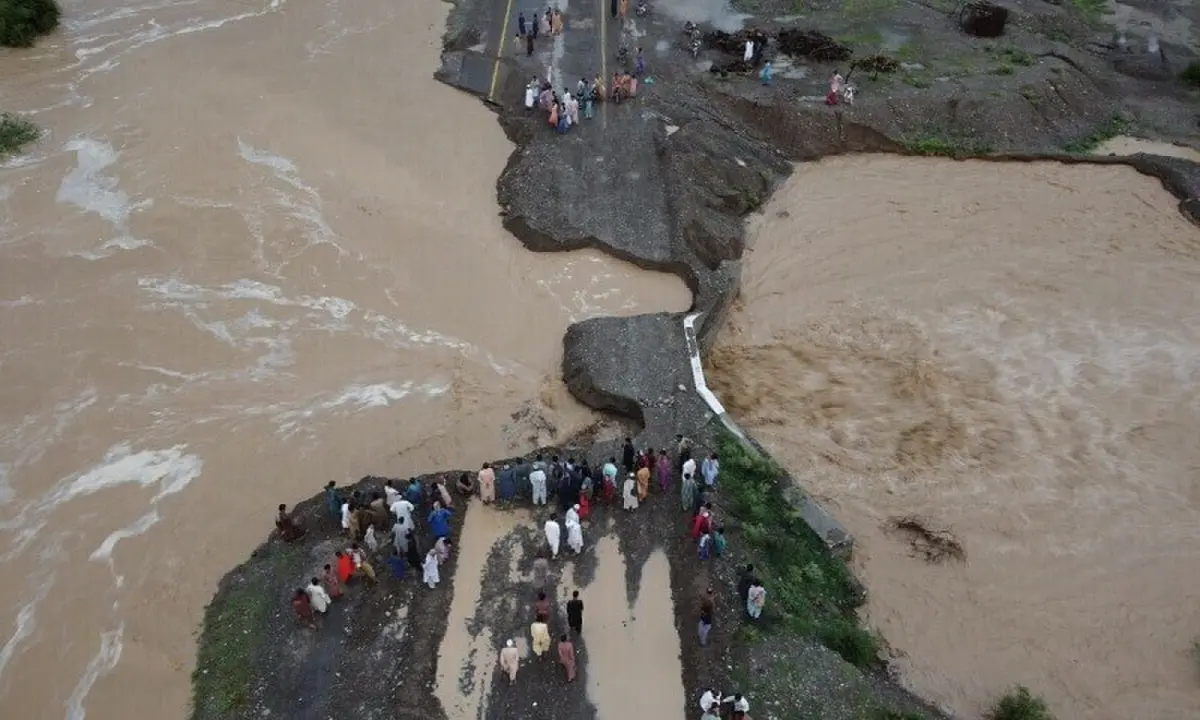
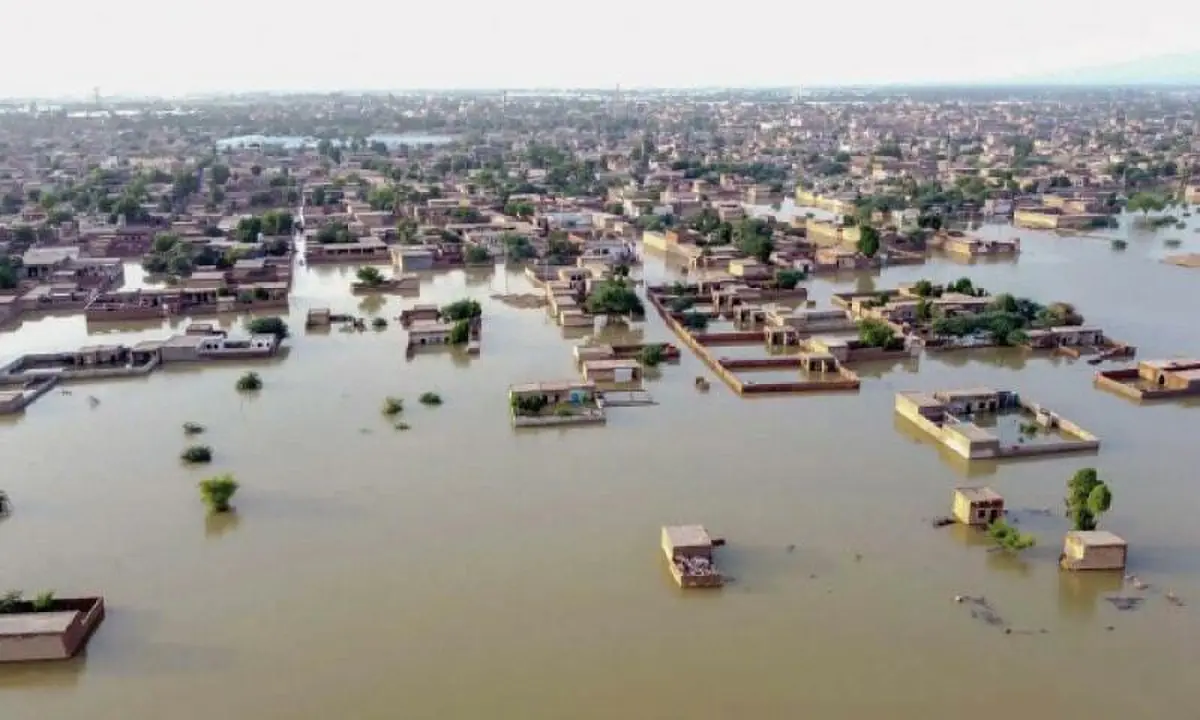
Co-founder of Madat Balochistan, a women and indigenous-led grassroots organization dedicated to rehabilitating communities affected by climate change, Jamali became a climate activist during the catastrophic floods of 2022. As her family and community members faced its devastation, Jamali used phone calls to coordinate relief efforts in Sindh and Balochistan. It soon became apparent to her, however, that her work was akin to putting a bandaid on a gunshot wound. The communities at the forefront of climate disasters could not just be passive recipients of reactive relief work, she realized. They should have the leverage to determine what prevention, recovery and rehabilitation means for them before catastrophe strikes their homes and fields.
Moved by her experience, Jamali decided to apply for participation in the 27th edition of United Nations Framework Convention on Climate Change (UNFCCC) COP, scheduled to be held in Sharm el-Sheikh, Egypt in November that year. It proved to be a challenge and she soon realized, she wasn’t experientially equipped enough to navigate the bureaucratic process and international networks that could support her accreditation and funding.
She didn’t give up. She applied for COP28, and then, again, for COP29. On this attempt, she managed to secure a conference badge with the help of a friend through a sponsoring organisation. COP29 took place in Baku, Azerbaijan and Jamali soon ran into a funding issue. She turned to online fundraising for support, but of the USD 2500 required at the time for the trip, Jamali was only able to raise USD 2000 (approximately PKR 555,600 in 2024).
Jamali is not the only one who ran into this wall. Aitzaz Roonjha is an 18-year-old climate activist from Lasbela, Balochistan. He began work in 2022 by joining WANG (We Are New Generation), a youth-led organisation, which worked on flood relief and recovery in Balochistan.
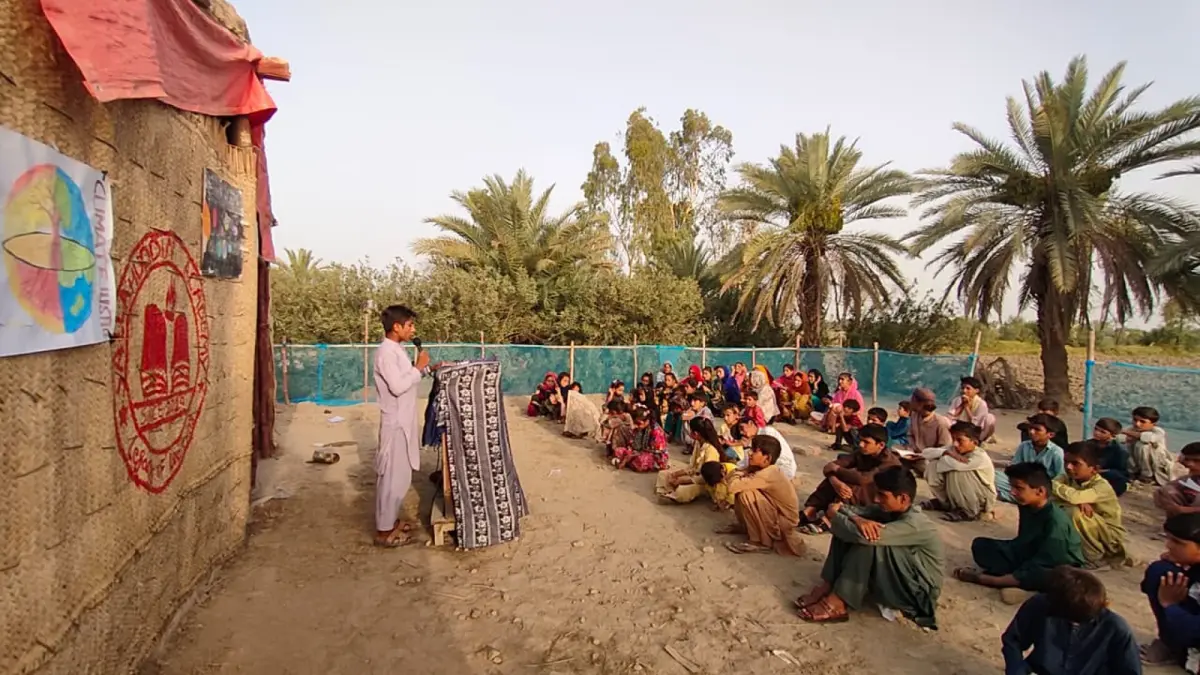
Last year, Roonjha applied and was selected to attend COP30, but he couldn’t make it because the selection did not include financial assistance. He reached out to many organisations and international groups he had worked with previously but couldn’t secure enough funding to cover travel, accommodation, and visa costs.
And travel costs are not the only problem. Attending international climate conferences, Jamali says, often hinges on personal connections and organisational affiliations. “It’s a very, very secretive process,” she says.
She noted that activists from major cities and more privileged, urban backgrounds managed to gain greater access to these international forums than people who are practically on the frontlines of climate catastrophes. “These climate forums are inaccessible to working class people or actual climate affectees who are experiencing climate change on the ground,” she says.
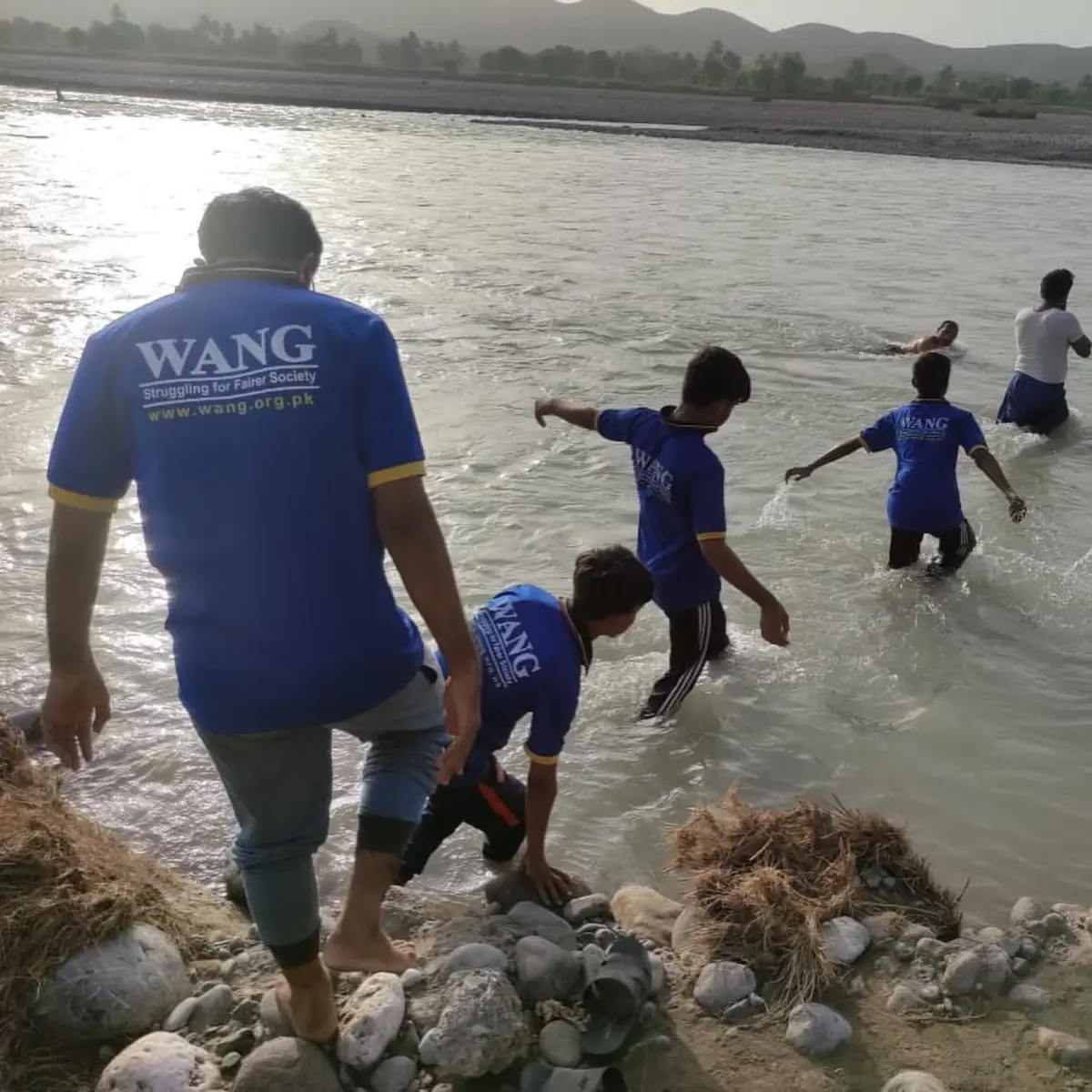
Roonjha says WANG provided a foundation for his work through which he gained hands-on experience, began pursuing further opportunities, and earned recognition. “Even with my experience in climate work and the backing of an organization, I still couldn’t make it to the COP,” he says. “Aspiring to attend COP and actually being able to attend COP are two very different things.”
The money and the badge
Many young climate activists work in an individual capacity in their communities since structural funding is hard to come by, so they have to rely on more recognized climate organizations to access major forums like COP.
Durlabh Ashok, founding director of Climate Forward Pakistan (CFP), a leading youth-led climate organisation that sends delegations to COP every year, says the organisation offers limited financial assistance to its delegates. It supports delegates through subsidised accommodation, accreditation assistance, and speaking opportunities, while delegates are normally supposed to pay for their own travel, meal, and other expenses.
“We don’t want to operate as a grant-driven organisation because that inevitably gives us inherent clout over funding decisions,” Ashok says.
However, the model leaves delegates responsible for taking the financial obligations of the participation. Applicants may be ascertained on the basis of their climate related work and the familiarity with the UNFCCC procedure, but they must also showcase that they can fund their participation either on their own or through sponsorship.
Climate activists from underrepresented communities often deal with additional impediments of participation. A person with years of grassroots experience supporting climate-hit communities which are on the frontlines of climate disasters find it difficult to access the networks of these organisations compared to their counterparts operating from more urban settings.
This year, for example, of the cohort selected by CFP, only one activist from Balochistan made the cut.
While admitting the challenge, Ashok says that CFP seeks to keep the COP route accessible by providing necessary documentation to delegates in order to approach potential sponsors while assisting them with logistical arrangements, including visas and accreditation.
There is no restriction on paper, just between the lines
There is no explicit requirement under UNFCCC rules for climate activists to come from an urban or privileged background. For NGO observers, participation generally takes place through organisations that have been conferred observer status, which then nominate delegates within their allocated quotas. Travel, meal and accommodation are not particular requirements for securing observer status, but they still can determine whether a nominated delegate can turn their formal selection into actual participation.
The UNFCCC has also noted concerns regarding geographical diversity and representation in observer participation. The UNFCCC has admitted the financial obstacles confronted by observer organisations from marginalized communities and developing countries and has planned to explore ways to facilitate broader participation. Currently, there is no specific funds generally available to observer organisations as compared to the Trust Fund for Participation that provides financial assistance only to the representatives of developing country Parties.
Even those who eventually make it to the COP as representatives of observer status do not have the same negotiating impactful role as country negotiators. Observer organisations can participate in supplementary events, deliberations, campaignings, networkings, while official negotiations come within the domain of Country Parties.
You’ve made it! Now what?
But, suppose, a young climate activist somehow jumps through all the hoops: they arrange the funds, navigate the system, get accreditation, and manage to reach the conference, what happens then?
Irfan Azad succeeded in making it to the climate conference in 2025.
His climate works started during the 2022 floods. He collected donations, coordinated relief efforts and ran volunteer medical camps. After a survey of over 1,000 homes, he started to focus on and set up Salahuddin Academy in his village, Goth Salahauddin Pandrani in Jaffarabad District, for 100 children.
He began to wonder and question why communities are continuously vulnerable to similar disasters such as major floods in 2008, 2010, 2012 and then 2022 even after taking big pledges every year in global climate summits.
He was selected to attend COP30 through Climate Forward Pakistan (CFP), however, he was required to submit $2,200 (approximately PKR 620,448 at the time) for the trip. Jamali, who had managed to collect a sizable amount in her previous fundraising efforts, was happy to add to Azad’s pool.
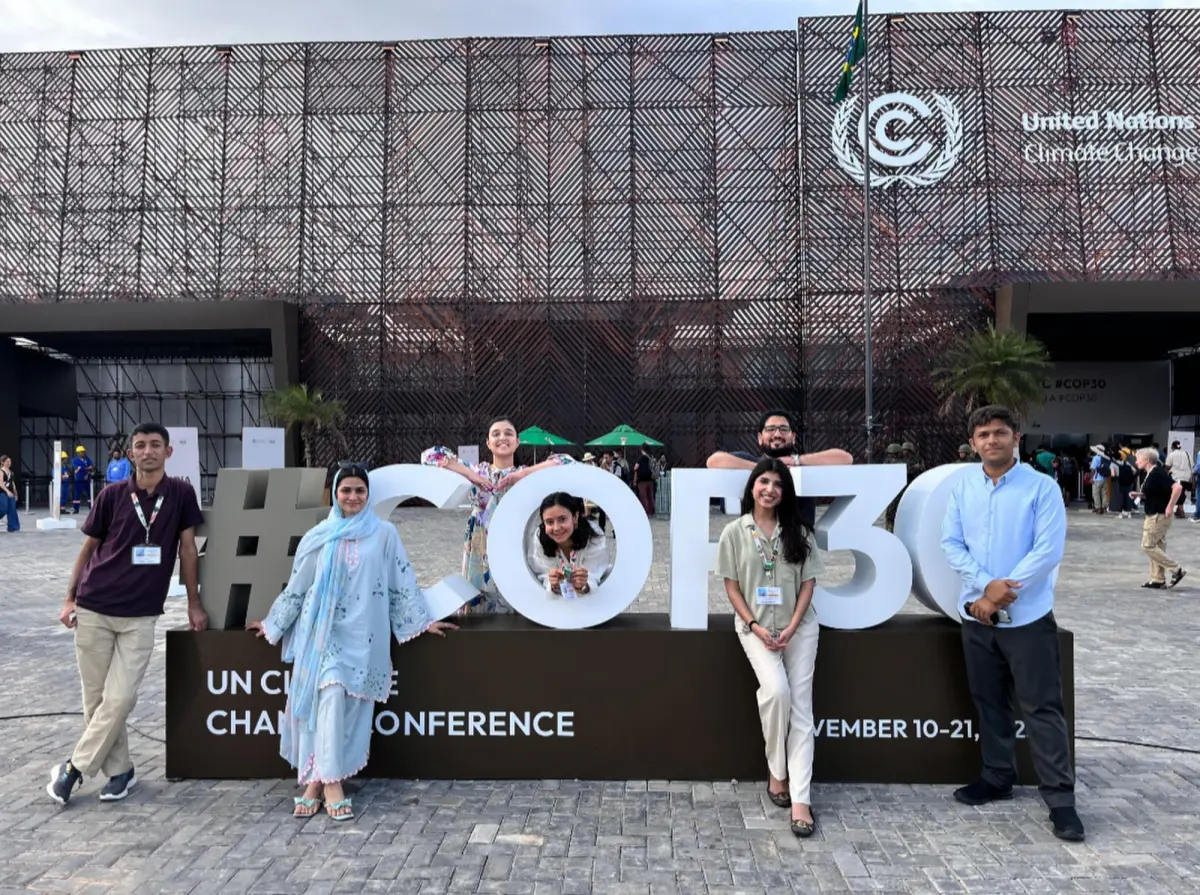
“I arrived in Brazil with meagre cash, no ATM card and limited preparation in order to navigate an unfamiliar language and a foreign country,” he says. Azad initially had access to the Green Zone — a space managed by UNFCC which is open to the general public— while receiving entry to the Blue Zone — where the formal negotiations take place under the management of the host country — only during the final days of the conference.
Azad spent much of his time talking with global indigenous communities in the Green Zone and hearing about their experiences regarding climate change, while climate negotiations went on among world leaders, disconnected from the affectees right outside their door. To Azad, it became obvious that even being in the room did not guarantee a seat at the table.
COP31 is currently underway in Antalya, Türkiye.
The author is a freelance journalist and licensed lawyer based in Turbat, Balochistan. His work primarily focuses on climate change, gender-based violence, information disorder, and geopolitical affairs. He can be reached at mannansaamad@gmail.com