Balochistan just benched its best team
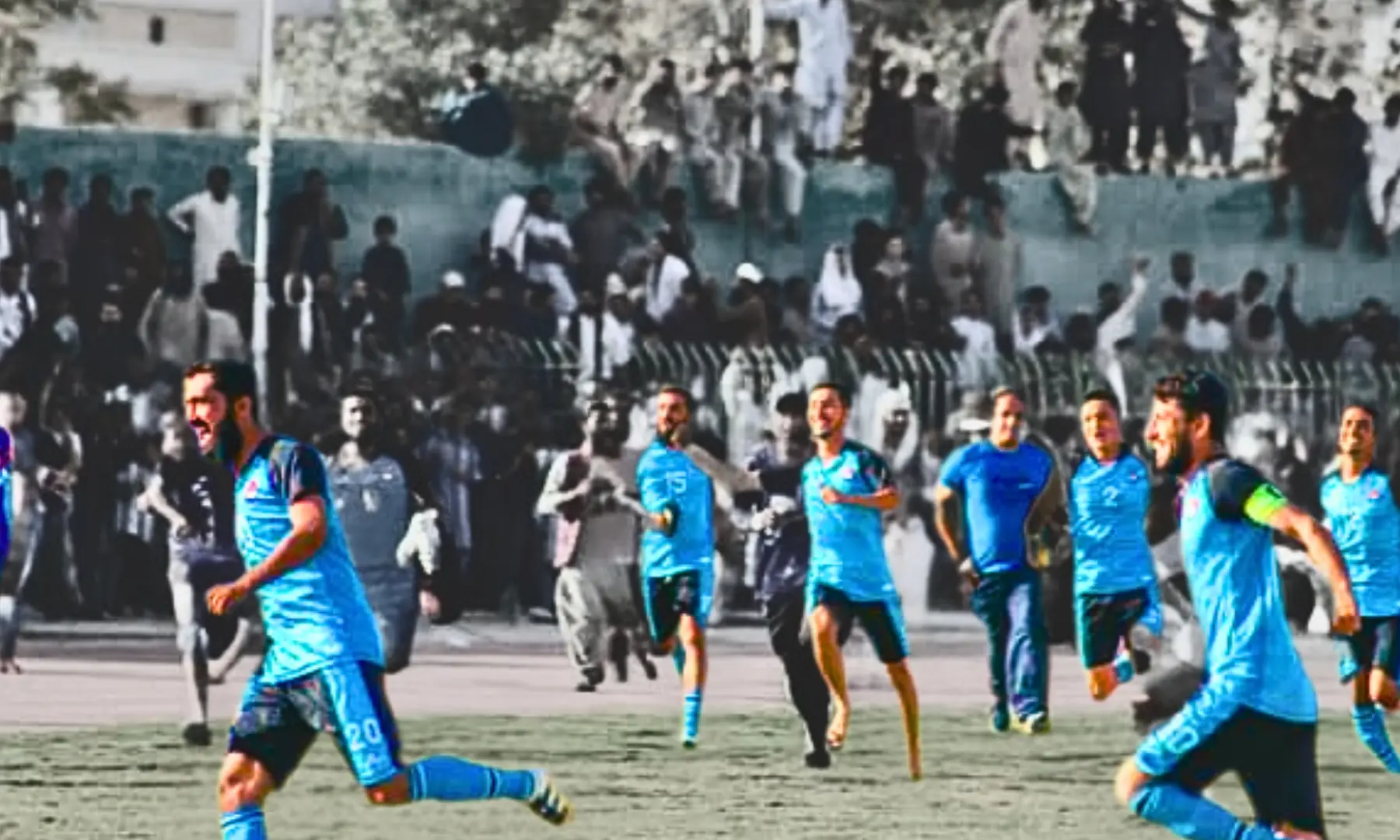
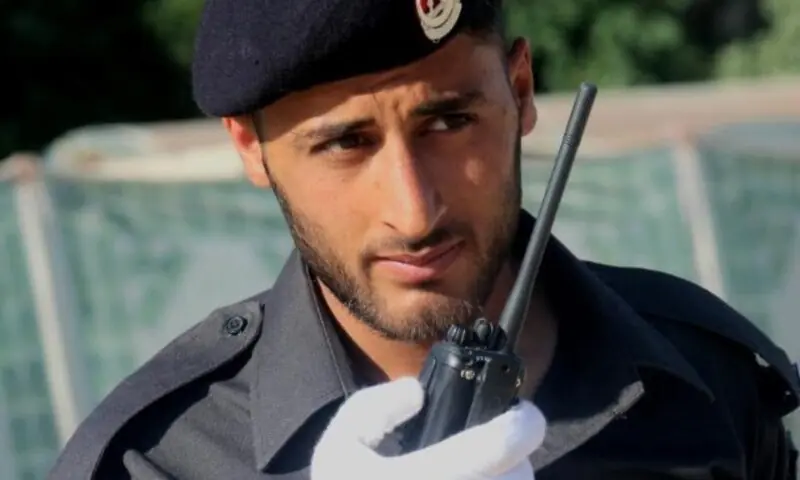
The crowd at the Railway Ground, Quetta was laser focused on the footwork between Noshki and Kech in the qualifying round of the 6th Chief Minister Balochistan Gold Cup which would be followed by the qualifier for the nationals. At the edge of the field stood Hamza, Pakistan Police Football team’s star. This season he was positioned on the other side of the boundary line. He was guarding the match in a police uniform.
“Sometimes it feels like I am watching the death of my own career,” Hamza said while recalling the scene from the Railway Ground this year. After bagging the Balochistan Gold Cup trophy in 2022, and the National Games trophy the following year, his entire team has been posted to police stations and police lines. Some of the defenders are at the checkpoints, others are patrolling the streets.
Millions around the world today have been following football as the FIFA World Cup captures global attention. Across Pakistan, fans gather in grounds, tea shops and neighborhood streets to watch and discuss the game. Quetta, where football is followed with an unusual passion, is once again alive with the excitement of the latest season of the All Pakistan CM Gold Cup. Yet one of the province’s most successful football teams is missing.
Hamza played football under a club till 2021. That year, he appeared for Balochistan Police sports trials, marking the beginning of his chapter as PPF’s defender. Athletes like him join Balochistan’s Police force through the province’s Police Sports Programme. Unlike with regular police recruitment, instead of sitting the conventional exams, they enter through competitive sports trials and are hired on a sports quota. They are appointed police constables of Grade 7 (22 being the highest), receive a government salary, and are able to primarily focus on sports. Of course, they are occasionally deployed in ‘emergencies’, such as elections or polio drives, but their training is completely different from that of a normal police officer.
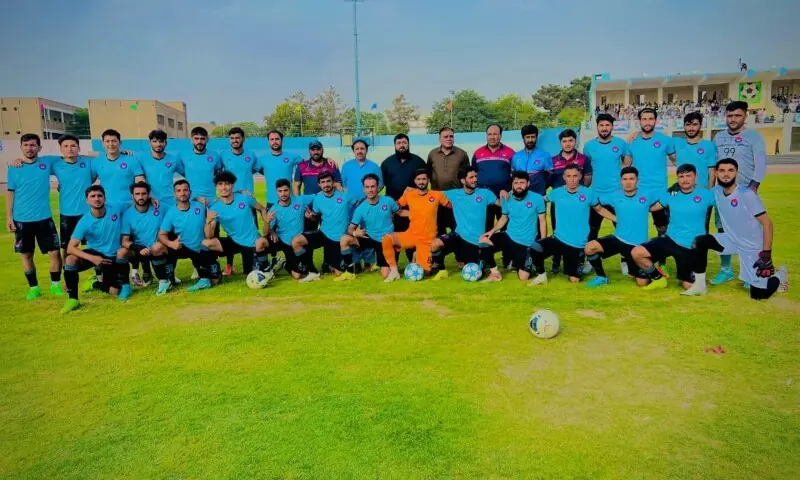
The system of supporting athletes in this way dates to 1972, when the Balochistan Police was entrusted with the PPF team, becoming the only department chosen to represent Pakistan police in football nationwide. The rest of the 31 sports departments, boxing, taekwondo, etc., are managed by federal institutions and other provincial departments.
Athletes reported each morning to the sports ground, marked attendance with the sports officer, trained and practiced throughout the day, and signed out in the evening without any obligation to report to police stations or police headquarters. Even though they underwent basic training later, such as weapon handling, discipline and drill, they were not recruited or trained as frontline personnel for counterterrorism or law-and-order duties.
At the end of 2025, as the PPF team returned from Karachi after the 35th National Games, a single notification on goalkeeper Javed Akhtar’s WhatsApp group removed the ground beneath his feet. The authorities had suspended sports for Balochistan’s Police and assigned the athletes to security and administrative duties.
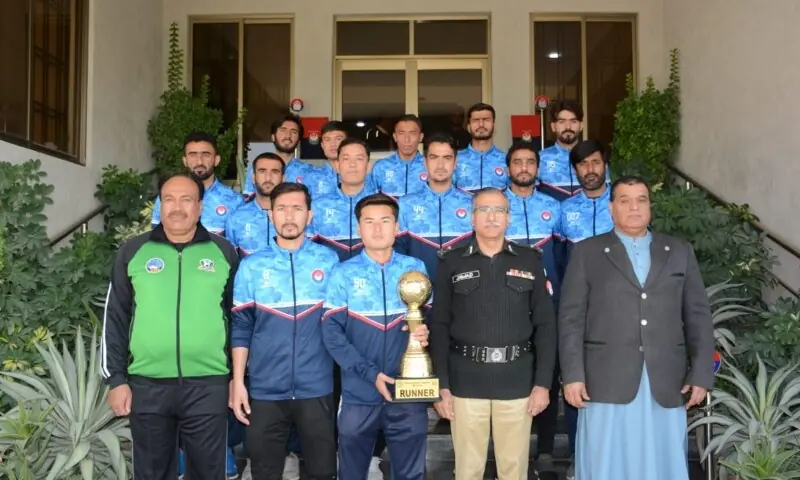
According to sports officials, athletes were told that worsening law-and-order conditions required additional manpower for policing and security duties, leaving little room for competitive sports programmes. Players and coaches like Sardar Raheem Mohammad Shahi, however, question that explanation. They argued that removing around 124 athletes from sport would have little impact on the province’s overall security challenges. “The law and order situation has existed for decades,” Shahi said. “Yet the teams continued to function. Football survived through difficult periods before, so why should it be different now?”
The news was impossible to process. Many of the athletes had entered the department through sports trials and some had left their education unfinished. Others had rejected career options because sports offered them a future.
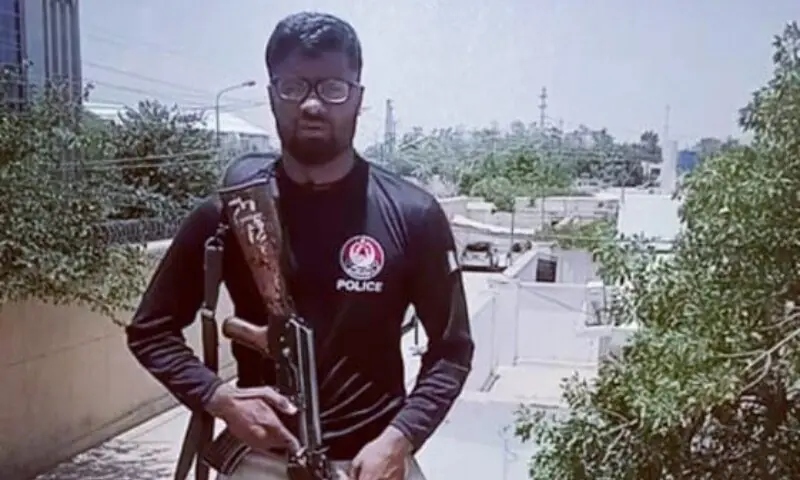
Akhtar is now assigned for security duties during high-alert deployments. Kami, another footballer from Quetta, is tasked with keeping people in line at security checkpoints, after having seen a time when thousands would push through crowds just to watch him play.
The sense of loss extends far beyond football. Muhammad Azam Shad joined the police department in 2005 as a karate athlete. Over the years, he represented Pakistan globally, won titles such as the Peace and Friendship Cup in Iran, and coached others who became Asian champions.
For much of his life, sport was his identity. Instead of standing on podiums, Shad is now cleaning drains, sweeping roads and collecting garbage. Then there is 43-year-old Waheed Agha who dedicated 25 years of his life to boxing. He coached gold medalists for the country, only for the department to now reject his release from duty to coach more students for a competition in Tanzania.
Police athletes selected to represent Pakistan internationally continue to wait for permission to compete. Boxer Muhammad Umair has already been selected to represent Pakistan in Sri Lanka in the month of July, while another international boxer, Abdul Saboor, has also been chosen for overseas competition. Both continue to perform 12-hour police duties. Neither have yet been cleared to travel by the department.
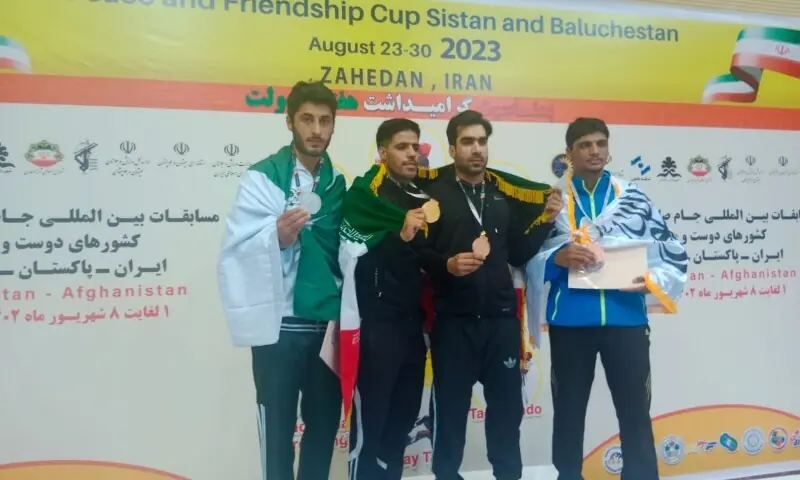
One would expect promotions in any other department based on consistent successes in a sport, but many police athletes remained in the same rank as they joined. Their frustrations are compounded by economic reality. Many come from working-class families across Balochistan whose households depend on daily wages, tailoring or driving rickshaws. Leaving your job is rarely an option. “I even thought about resigning,” Hamza said. “But poverty and responsibility towards my family would not allow it.”
Balochistan’s security challenges are not new, so why are the athletes being suddenly diverted to security duties? The concern is growing outside the department as well. Nehal Khan, chairman of the Hudda Sports Action Committee, argued that these athletes were never trained to confront security threats. Sending them into dangerous situations risks both human lives and sporting talent developed over years of sacrifice and dedication. Athletes lose hope and abandon sport altogether. Some end up turning to drugs to cope.
Across Quetta, football crowds are still gathering, matches still going on and trophies are still being lifted. But the athletes who once gave those crowds something to cheer for are on duty. The game continues. The players do not.
The author is a journalist from Balochistan writing on conflict and humanitarian issues. He can be reached at @zareefrind