Pakistan hosts the first round of face-to-face talks between the US and Iran in 47 years in April; the talks end without a breakthrough, but also without a breakdown
US, Iran hold high-level talks in Switzerland on June 20 after signingpreliminary agreement to end the war; hold talks in Doha on July 1, with mediators citing “positive progress”
US launches strikes on Iran on July 8 in response to attacks on ships in Hormuz, Tehran retaliates as Hormuz heats up again; Trump says ceasefire is “over” on July 10 but talks ongoing
Europe has imported jet fuel from the US and Asia, raised its refiners’ output and drawn on stocks to keep planes flying – and yet it remains the region most exposed as renewed Middle Eastern tension raises the risk of further supply disruption.
Britain, France and Germany are particularly vulnerable in a continent where decades of refinery closures left it more reliant than most on Middle Eastern shipments via the Strait of Hormuz.
Iran’s Islamic Revolutionary Guard Corps (IRGC) claimed it had carried out missile and drone strikes on what it described as US military installations in Bahrain and radar facilities in Oman, according to Al Jazeera.
In a statement, the IRGC said the attacks formed the fifth phase of its retaliatory operations, targeting “installations and infrastructure of the aggressive US army” in Al Juffair, Bahrain, as well as a long-range aerial radar and a vessel detection radar in Oman. It claimed the radar systems in Oman had been destroyed.
The IRGC also warned that “the only way to open the Strait of Hormuz to vessel traffic is to end the interventions of the aggressive US military in this strait and respect the sovereignty of countries over their own coastal waters”.
The number of vessels transiting the Strait of Hormuz fell to multi-week lows, shipping data showed, as renewed strikes between the US and Iran and attacks on ships in the Middle East heightened safety concerns, Reuters reports.
Six vessels transited the strait on Sunday, ship-tracking data from Kpler showed, the lowest number in five weeks.
Tankers that exited the strait included the Very Large Crude Carrier Humanity, laden with 2 million barrels of Iranian oil and another tanker, Capetan Andreas, carrying about 500,000 barrels of Kuwaiti oil products, the data showed, while three empty tankers entered the Gulf to load oil.
Most of the tankers switched off their transponders when crossing the strait.
The IRGC says it has launched attacks on Kuwait in the fourth phase of its retaliatory operations, Al Jazeera reports.
It said it targeted a US surface-to-surface missile base in Kuwait, “setting fire to two HIMARS missile launchers and missile-packed warehouses, completely destroying them”.
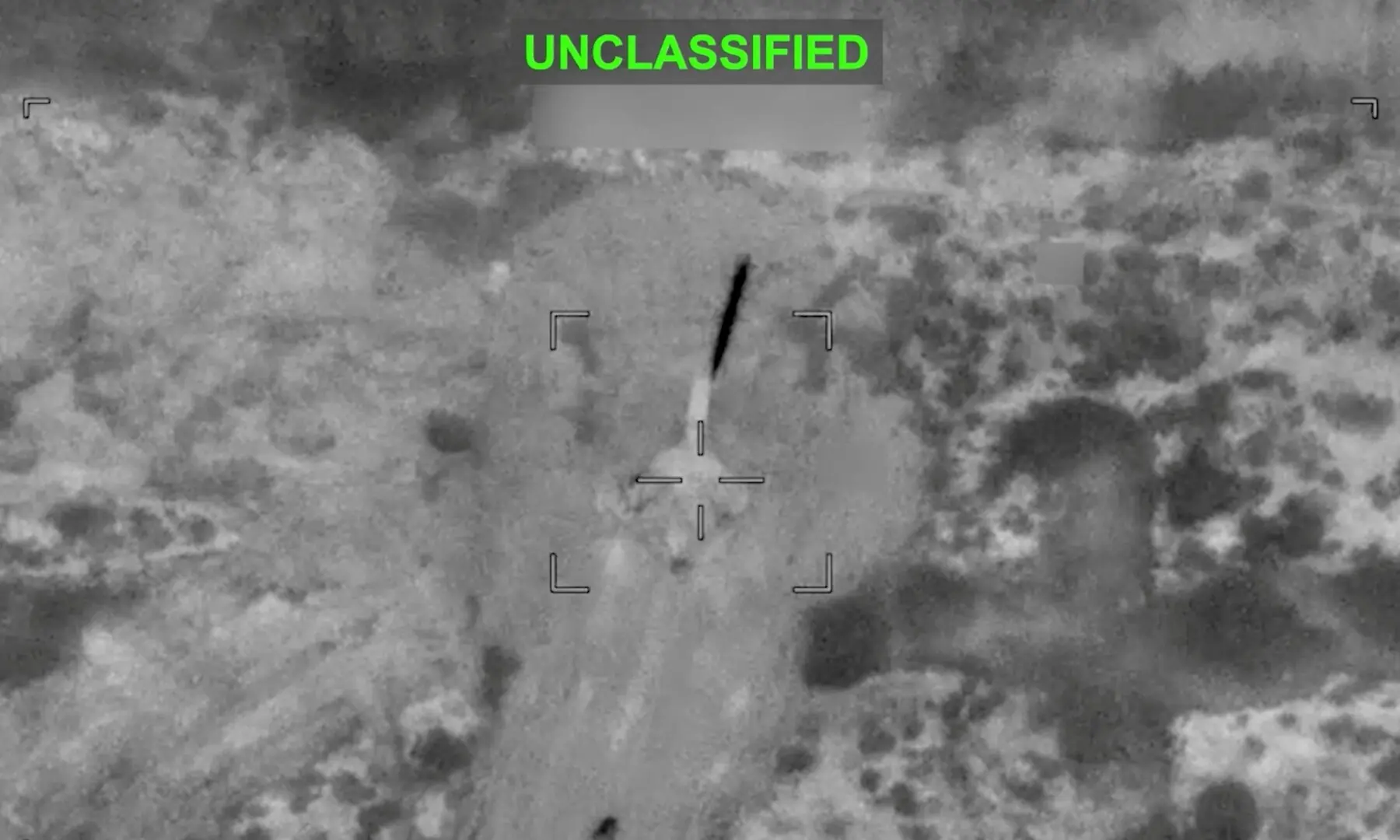
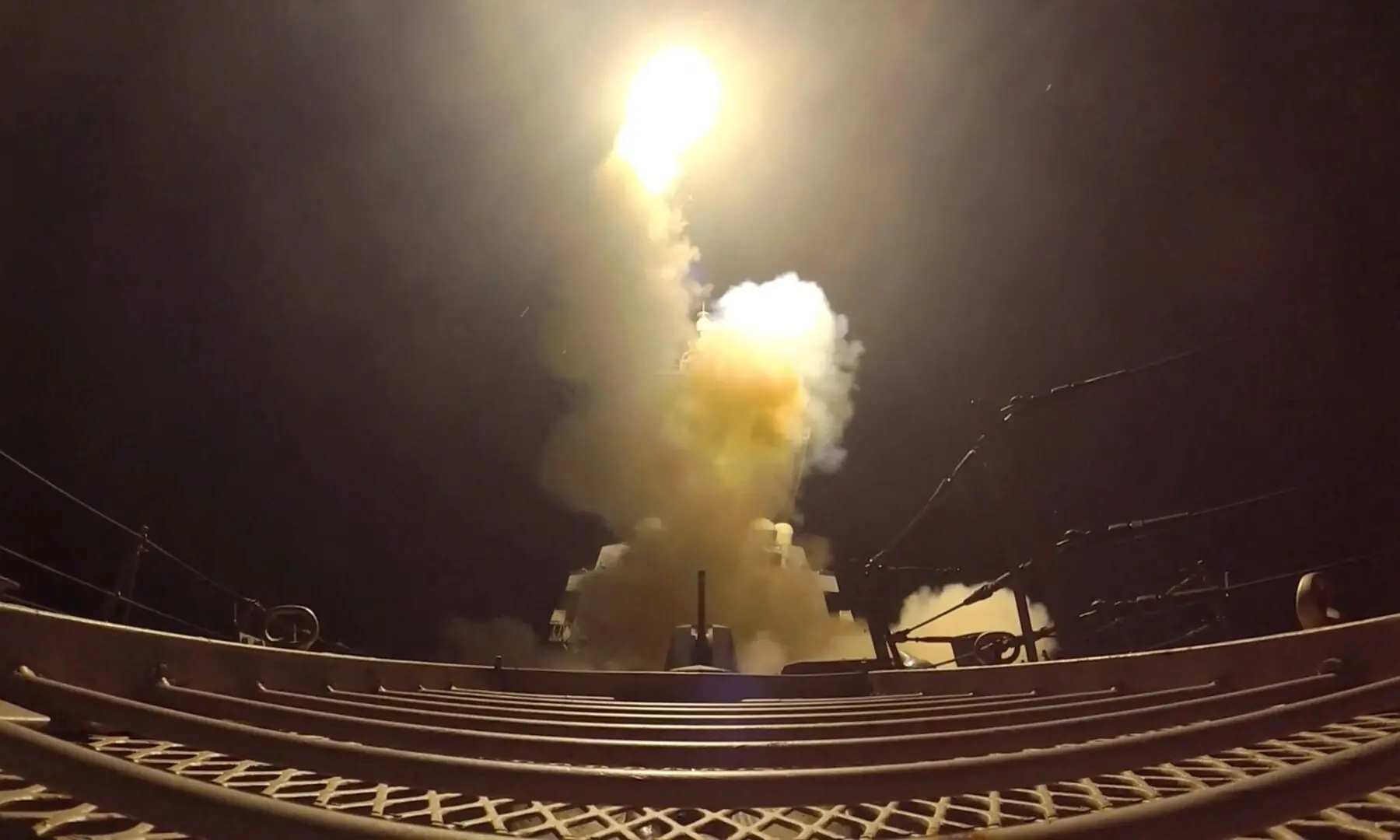
A projectile approaches a target at an unknown location, following what US Centcom said were strikes on Iran, in this screen grab taken from a handout video released on July 12, 2026. — Reuters
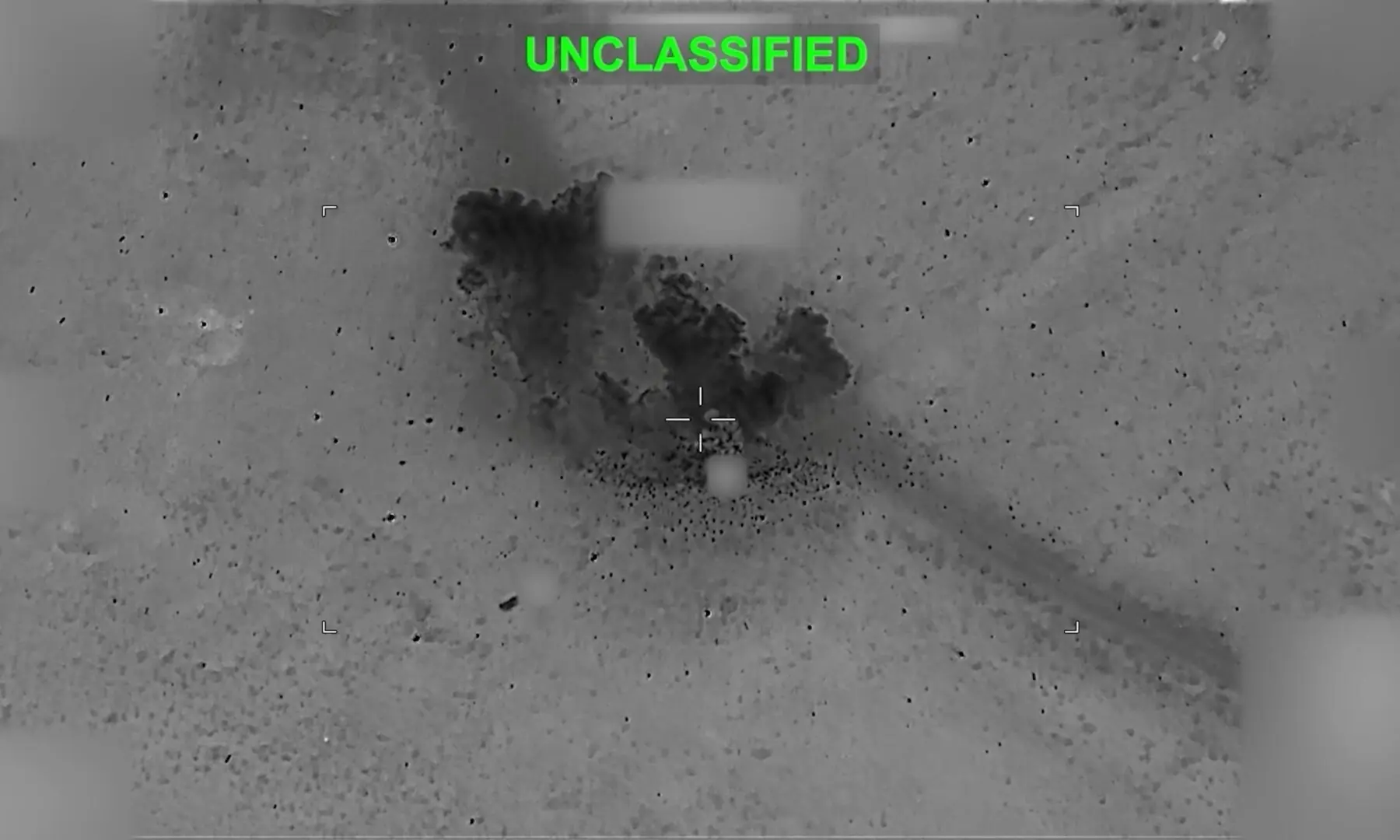
Smoke rises following an attack on a target at an unknown location, following what US Central Command (Centcom) said were strikes on Iran, in this screen grab taken from a handout video released on July 12, 2026. — Reuters
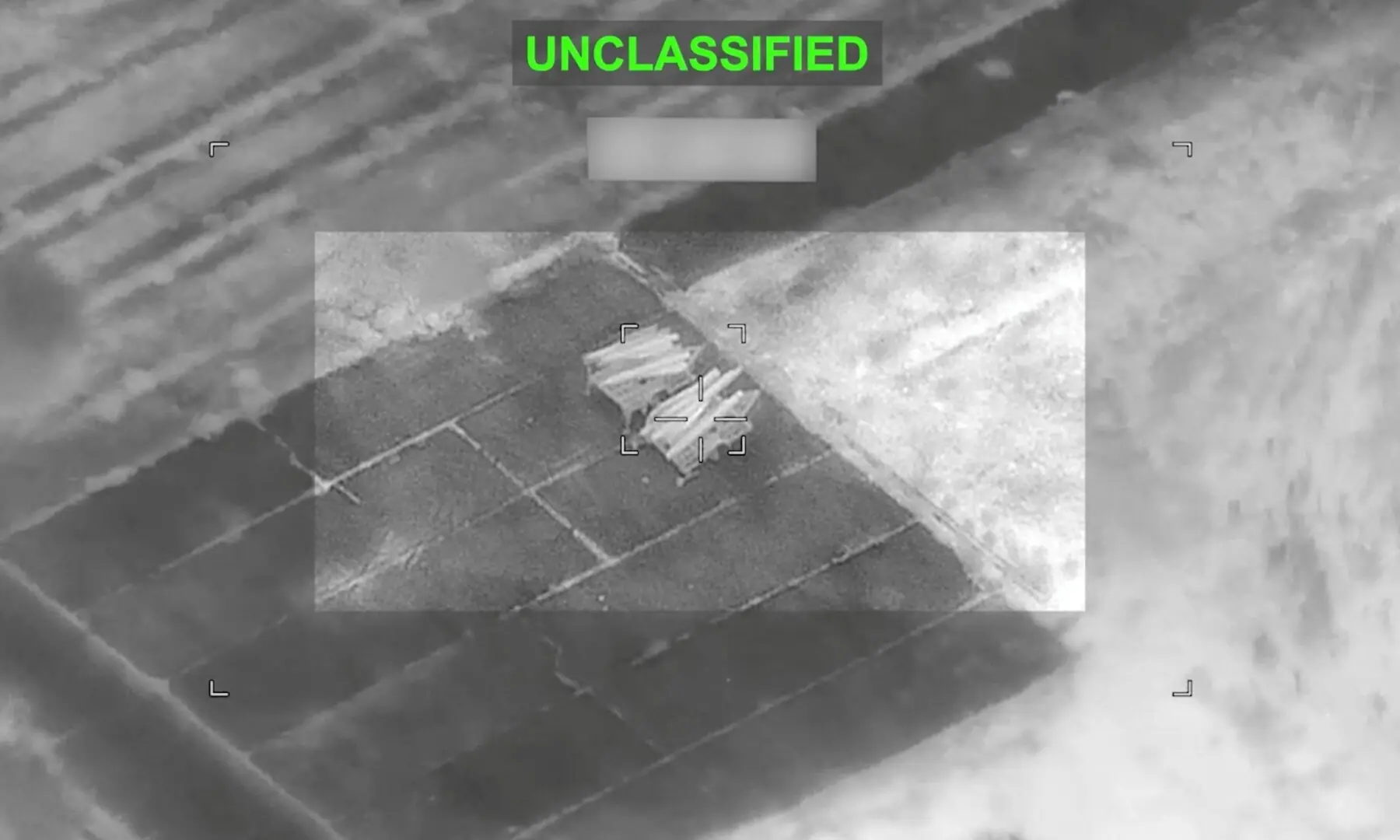
A target at an unknown location, following what US Central Command (Centcom) said were strikes on Iran, in this screen grab taken from a handout video released on July 12, 2026. — Reuters
A projectile is fired during what the U.S. Central Command (Centcom) said were strikes on Iran, in this screen grab taken from a handout video released on July 12, 2026. — Reuters
Jordan’s military says it has intercepted and downed “four missiles that entered Jordanian airspace” and came from Iranian territories, Al Jazeera reports.
The General Staff of Kuwait’s Army says air defence systems are engaging “hostile aerial targets” inside the country’s airspace, Al Jazeera reports.
It said any explosions heard were the result of air defence systems intercepting the attacks, and urged the public to follow safety and security instructions.
In a statement carried by the IRNA news agency, Iran’s army said drone attacks were continuing on US bases in the region and that the army launched “destructive drone” assaults on US forces in Kuwait, including defence and missile systems, bunkers and support shelters, Al Jazeera reports.
The army went on to condemn what it described as repeated US attacks on military sites, civilian infrastructure and civilians in Iran, calling them a “blatant violation” of the fundamental principles of the United Nations Charter.
The army said Iran’s armed forces would use their full capabilities to defend the country’s sovereignty, territorial integrity, independence and population against any further aggression.
Iran’s Revolutionary Guards said they had struck US military targets and bases in Jordan, Bahrain and Kuwait, state media reported, according to AFP.
The official news agency IRNA cited several statements released by the Guards saying they had attacked Prince Hassan Air Base in Jordan, a US military drone command centre in Bahrain and airbases including Ali Al Salem in Kuwait.
Iran’s Nour News Agency reports that the Iranian Army and the IRGC have launched “large-scale missile and drone attacks” on “enemy bases in the region”, according to Al Jazeera.
Citing an Iranian military official, the agency said the operation was launched in response to the US’s continuing attacks on Iran and targeted sites identified following “enemy movements” over the past 48 hours.
US forces completed another wave of strikes against Iran, hitting dozens of targets at multiple locations with precision munitions, the Central Command said, according to Reuters.
US Central Command said it struck Iranian military air-defence systems, coastal radar sites, missile and drone capabilities, and small boats using US fighter aircraft, naval vessels, one-way attack aerial drones, and one-way attack sea drones.
Air raid sirens have sounded in Bahrain, the interior ministry said, instructing residents to take shelter, AFP reports.
“The siren has been sounded … citizens and residents are urged to remain calm and head to the nearest safe place,” the Ministry of Interior posted on X.
Oil prices jump as Iran expanded strikes on Gulf states following attacks by the United States, threatening energy shipments via the Strait of Hormuz, according to Reuters.
Brent crude futures climb $2.34, or 3.08 per cent, to $78.35 by 2311 GMT, while US West Texas Intermediate crude rose $2.21, or 3.09pc, to $73.62 a barrel.
US strikes killed one person and wounded four in southwestern Iran, AFP reports, citing state media.
“Following the attack of the American enemy on Monday morning… one person was martyred and four others were injured,” official news agency IRNA reports, citing Khuzestan province’s deputy governor for security and law enforcement, Valiollah Hayati.
Iran has condemned the latest wave of US attacks on its territory, saying they had “rendered futile” all the diplomatic efforts of the last few months, AFP reports.
Their statement came soon after the US military announced a fresh wave of strikes against Iran saying it aimed to “continue degrading” Tehran’s ability to attack commercial ships in the Strait of Hormuz.
“These barbaric attacks are not only a gross violation of the fundamental principles of the United Nations Charter … but also a serious threat to international peace and security,” said an Iranian foreign ministry statement.
They had “rendered futile all efforts of the past few months to reduce tension and establish peace in the West Asian region”, the statement added.
“The US regime has also caused the return of insecurity in the Strait of Hormuz and disruption of international commercial shipping by openly interfering in the process of Iran implementing the necessary arrangements in the Strait of Hormuz,” said Tehran.
The US military announced a fresh wave of strikes against Iran, saying it aimed to “continue degrading” Tehran’s ability to attack commercial ships in the Strait of Hormuz, AFP reports.
The US Central Command (CENTCOM) said on X that President Donald Trump “has directed the strikes to hold Iranian forces accountable”.
Bushehr’s Deputy Governor for Political, Security, and Social Affairs has denied the reports of claiming an attack on the Bushehr nuclear power plant area, Iran’s ISNA reports.
Kuwait’s defence ministry has said that three border posts and an offshore oil platform were attacked during a fresh exchange of strikes between the United States and Iran, AFP reports.
“Three land border posts in the north of the country were subjected to a cowardly attack, resulting in material damage,” the statement said, without specifying the origin of the assault.
It added that an “offshore drilling platform belonging to the Kuwait Oil Company… was targeted by a hostile drone, resulting in material damage and the injury of one worker”.
UN Secretary-General Antonio Guterres has called for an immediate halt to escalating attacks across the Gulf.
In a post on X, Guterres says that he is “deeply concerned”, pointing to US attacks on Iran and Iranian attacks on targets in neighbouring countries. “These attacks must all stop.”
“A return to full-scale hostilities would have catastrophic consequences – for the peoples of the region, for international peace & security & for the global economy,” he stated.
“I urge Iran & the US to urgently resume negotiations & to address outstanding issues through diplomacy.”
The US carried out several strikes on Iranian missile and air defence systems and targeted small speed boats of the IRGC at several locations around the Strait of Hormuz, Axios reports, citing a senior US official.
Iranian state media has reported that an employee of a telecommunications company was killed in attacks in the southern province of Hormozgan on the Gulf, as hostilities resumed between Tehran and Washington, AFP says.
“Following the enemy attack on Farur in Bandar Lengeh, one employee of the Mobile Communications Company of Iran was killed while carrying out his duties, and two of his colleagues were injured,” the IRNA state news agency reported.
Israel will hold national elections on October 27, the last date allowed by law, its parliament says, with the vote widely seen as a referendum on Prime Minister Benjamin Netanyahu’s leadership since the Gaza war erupted, AFP reports.
The Knesset, as parliament is known, is set to end its current term on July 17, allowing the ruling coalition to complete a full four-year term for the first time in decades.
“Since the current Knesset is expected to serve its full term and the next general election is already set by law for October 27, with no intention of shortening the legislature’s tenure, there is no need to enact a Knesset Dissolution Law in the usual sense,” parliament said in a statement.
Public opinion turned critical of the ceasefire that halted the war Israel and the US launched against Iran in late February, which led to a deal between Tehran and Washington that many view as unfavourable to Israel.
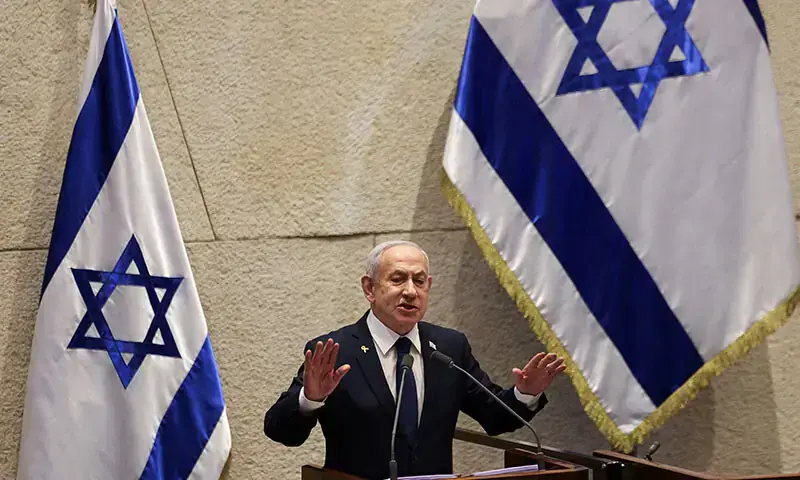
Israeli Prime Minister Benjamin Netanyahu speaks at the plenum of the Knesset, Israel’s parliament, in Jerusalem, Israel on November 10, 2025. — Reuters/File