After the US-Iran MoU: Diplomacy’s unfinished business
Barely four weeks after the signing of the US-Iran memorandum of understanding (MoU) that brought an uneasy halt to one of the most dangerous confrontations between the two rivals in decades, missiles are once again crossing the Gulf, commercial shipping is retreating from the Strait of Hormuz and oil prices are again inching upwards.
Over the past 24 hours, the confrontation has entered its most dangerous phase since hostilities resumed last week, with both sides sharply intensifying military operations. Overnight, the US carried out a fresh wave of precision strikes against military and petrochemical infrastructure across southern Iran, targeting facilities in the oil-producing Khuzestan province as well as sites around Bandar Abbas, Qeshm Island and Bushehr. It employed aircraft, naval assets and — for the first time in the campaign — sea drones to degrade Iran’s air defence, missile and coastal capabilities. Open-source imagery has corroborated damage to the Omidiyeh airbase and to a building within the Bushehr nuclear complex.
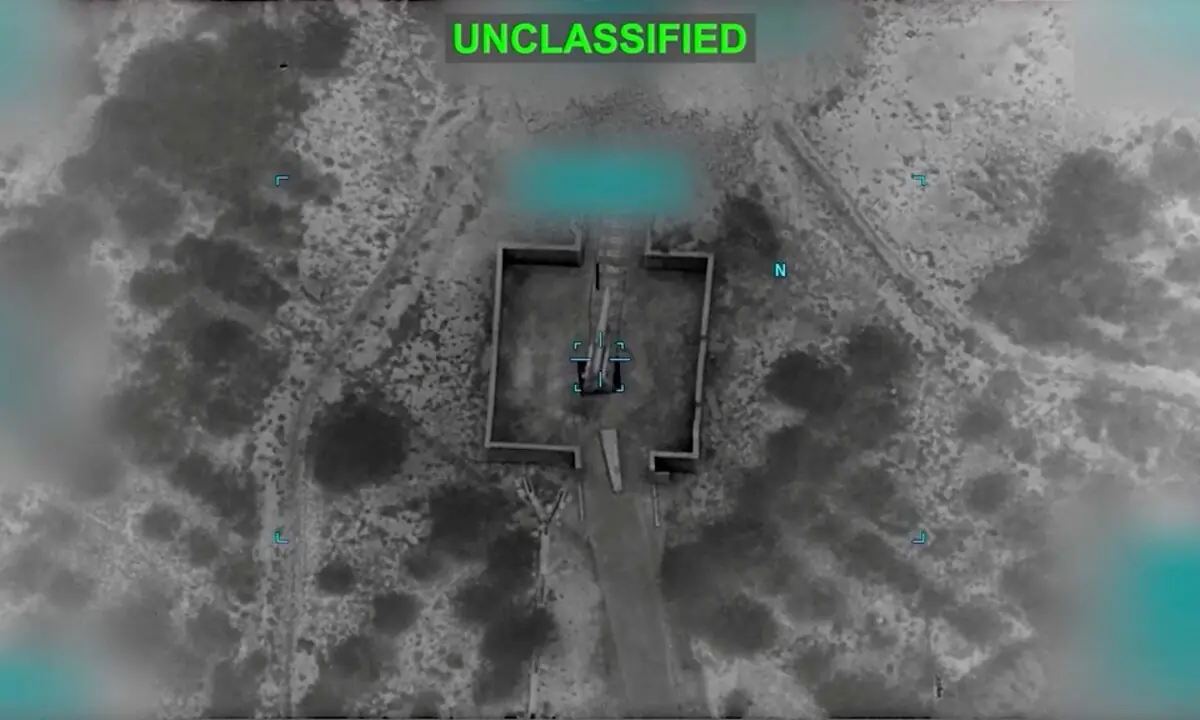
Iran responded with ballistic missile strikes against facilities linked to US military presence in Bahrain, Kuwait and Jordan, while simultaneously maintaining pressure in the Strait of Hormuz through anti-ship missile activity and continued interference with commercial shipping.
These exchanges have further reduced vessel traffic through the waterway to single digits, reinforcing a pattern that has become increasingly evident over recent days, whereby Washington has relied on long-range precision strikes against Iranian military infrastructure while Tehran has sought to exploit geography and asymmetric maritime capabilities to impose costs and disrupt navigation.
Who will control the Strait of Hormuz?
These developments are unsurprising because the MoU was never intended to resolve the dispute that resulted in the conflict; instead, it merely suspended fighting long enough for negotiations on the more difficult political questions to begin. The latest escalation is, therefore, less a collapse of diplomacy than a reminder of diplomacy’s unfinished business.
One of the issues left unresolved by the MoU, and which has now brought both sides back to the brink, is the question of who will ultimately determine the rules governing navigation through the Strait of Hormuz, the main maritime gateway for energy exports from the Gulf to international markets.
The controversy has stemmed from the language of the fifth clause, under which Iran undertook, “using its best efforts”, to ensure the safe passage of commercial vessels for an initial 60-day period while also committing to restoring normal traffic after removing military and technical obstacles, including demining operations. More significantly, however, the clause stipulated that Iran would conduct dialogue with Oman “to define the future administration and maritime services in the Strait of Hormuz, in discussions with other Persian Gulf littoral states, in line with applicable international law and the sovereign rights of coastal states of the Strait of Hormuz”.
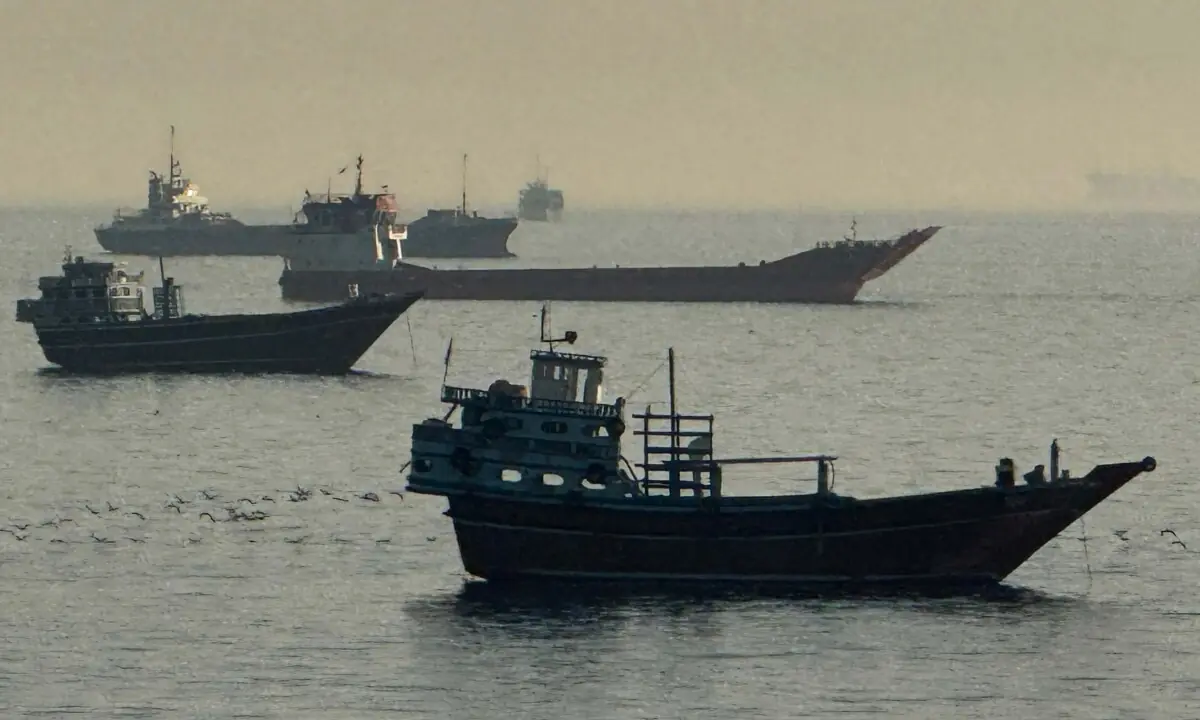
This carefully negotiated formulation has become the principal source of disagreement. Washington has interpreted the reference to international law as reaffirming the longstanding principle of freedom of navigation through an international waterway. In contrast, Tehran has placed greater emphasis on the reference to the sovereign rights of the coastal states, arguing that any future governance arrangement must recognise the authority and security concerns of the littoral countries, particularly Iran. The phrasing of the clause made the signing of the MoU possible, but it essentially postponed the dispute to a later date.
Tehran believes that the military advantage it had gained during the conflict entitles it to establish stricter oversight of maritime movement through waters adjoining its coastline so that routes previously used, in its view, for facilitating hostile military operations could no longer function without greater scrutiny. Washington, by contrast, maintained that freedom of navigation through one of the world’s principal commercial arteries could never be surrendered to the preferences or security perceptions of any single state because accepting such a precedent would carry implications far beyond the Gulf.
Those competing assumptions have now emerged as the principal fault line of the post-war order.
It is, therefore, important that the renewed violence should not be viewed simply through the prism of another exchange of missiles because the military dimension just points to the contest over sovereignty, strategic influence and competing interpretations of the clause for governing the Strait.
From the moment the MoU was signed, both sides appeared to recognise that it represented a temporary pause rather than a permanent settlement. Consequently, they quietly used the intervening weeks to prepare for the contingency each believed was likely. Iran restored damaged infrastructure, replenished military stocks and expanded oil exports, while Washington rotated forces, repaired military facilities, reinforced regional deployments and rebuilt strategic reserves.
Who has the upper hand?
Having done all that, neither side, however, is still capable of imposing its preferred outcome through military means.
The US undoubtedly retains overwhelming superiority in precision strike capability, intelligence assets and long-range power projection, enabling it to target Iranian air defence systems, coastal military infrastructure, logistics facilities, missile sites and energy infrastructure with considerable effectiveness. Yet that military superiority continues to be checkmated by geographical constraints because Iran’s control of the northern coastline, together with its deployment of mobile missile batteries, drones, fast-attack craft and coastal surveillance systems, enables it to generate sufficient uncertainty to disrupt commercial shipping without matching American conventional capabilities.
Iran, furthermore, has once again demonstrated its ability to impose costs rather than secure a decisive victory by complicating maritime traffic, threatening regional military facilities and sustaining asymmetric pressure across the confined waters of the Gulf. However, Tehran cannot establish a stable maritime arrangement acceptable to the US, its Gulf neighbours and the international community. Ironically, the continued operation of the Strait also remains essential for Iran’s own economic recovery and post-war reconstruction.
As a result, what is being witnessed is an uneasy equilibrium in which one side possesses the ability to punish while the other retains the ability to disrupt, yet neither can escape the confrontation, leaving both capable of prolonging the conflict without fundamentally resolving it.
The commercial consequences have followed almost immediately. Shipping companies have reduced transits through the Strait of Hormuz, insurance costs have risen and oil markets have once again begun pricing geopolitical uncertainty into global energy supplies; not because physical shortages have yet materialised but because prolonged uncertainty over the governance of the waterway itself introduces risks that markets invariably seek to anticipate. Alternative export infrastructure through Saudi Arabia and the United Arab Emirates may offset part of the disruption, but no existing network possesses the capacity to fully substitute the enormous volumes that ordinarily pass through the Hormuz, making prolonged instability economically costly not only for the region but also for major energy-importing economies across Asia and Europe.
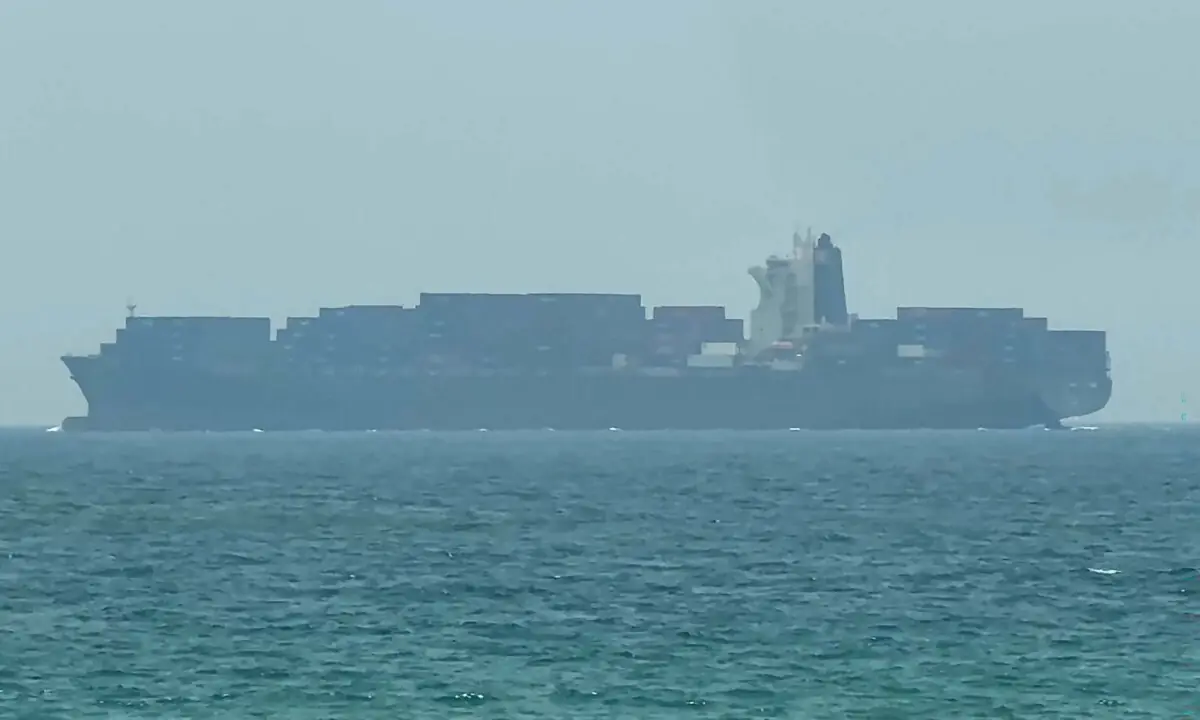
This is precisely why the current confrontation cannot be resolved exclusively through military conflict. The central question is no longer whether either side can strike harder, but whether both can eventually agree upon a framework that simultaneously accommodates Iran’s security concerns as the principal northern littoral state while preserving internationally accepted principles governing commercial navigation through one of the world’s most strategically important waterways.
How Pakistan’s role should evolve
That also explains why, even as military exchanges have intensified, diplomacy has quietly continued behind the scenes.
For Pakistan, which invested considerable diplomatic capital in facilitating the April ceasefire and the signing of the MoU, the latest escalation carries lessons that extend beyond the immediate conflict. Islamabad should neither regard the renewed fighting as evidence that the outcome of its mediation could not be sustained nor assume that the signing of the MoU completed its diplomatic task.
Bringing adversaries to the negotiating table was a considerable achievement, particularly at a moment when military escalation appeared to be overtaking diplomacy, but ceasefires are inherently transitional instruments whose durability depends upon the political architecture that follows them.
That architecture remains incomplete.
Pakistan’s contribution should, therefore, evolve from crisis mediation towards encouraging sustained political engagement, supporting technical negotiations where appropriate and working alongside regional actors, particularly Oman, whose geographical position and diplomatic credibility make it indispensable to any future arrangement governing the Strait.
Such an approach would not only reinforce Pakistan’s diplomatic relevance but would be more realistic as recent events have underscored a broader reality, which is that wars can be paused through diplomacy, but lasting peace depends upon resolving the disputes that produced them in the first place.
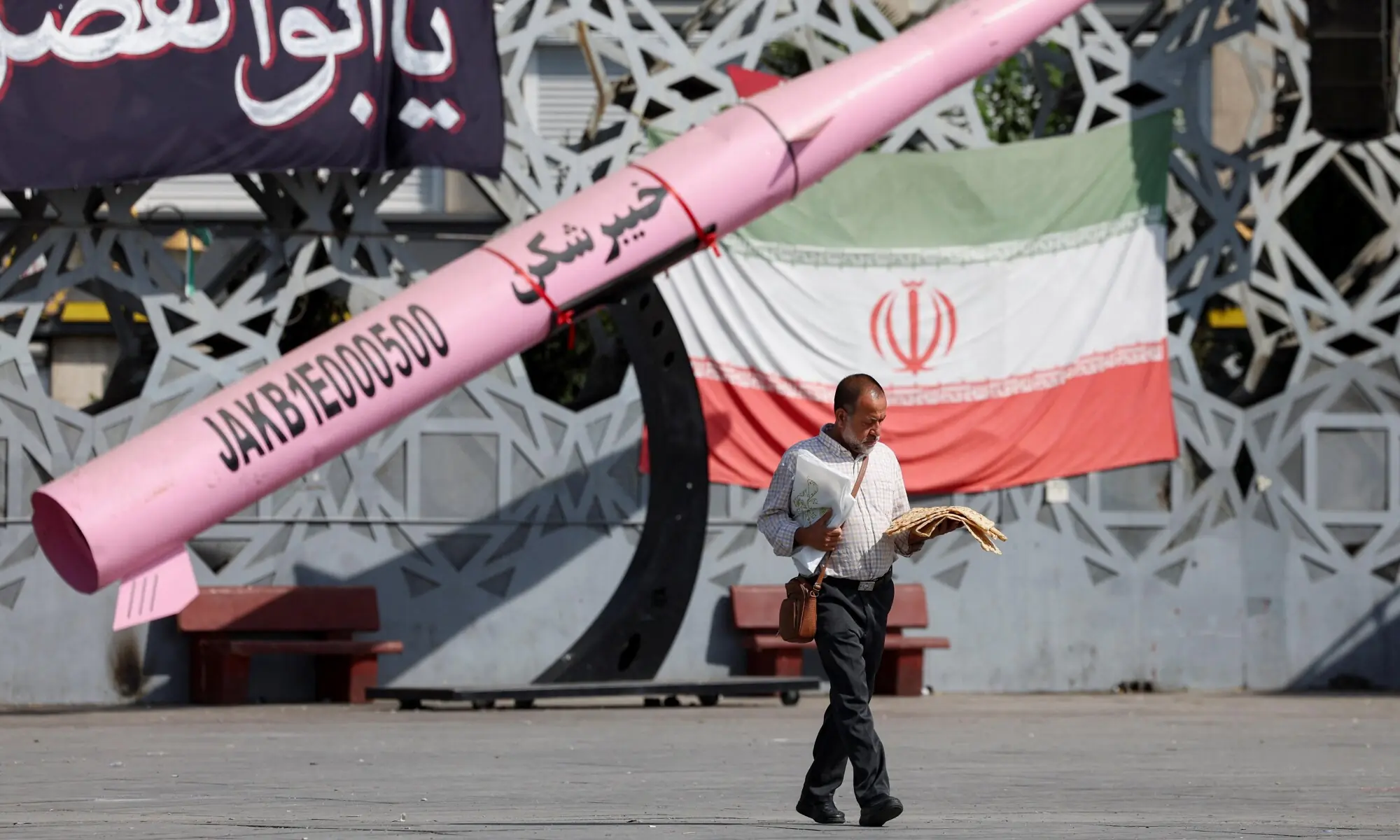
Header image: A man walks next to a symbolic mockup of an Iranian missile and an Iranian flag at Imam Hussein Square in Tehran, Iran, July 12, 2026. — Reuters
Baqir Sajjad Syed is the Foreign Affairs and National Security Correspondent for Dawn. His career of over 25 years spans print and broadcast journalism. He is a former UN Reham al-Farah Fellow and held a Pakistan Fellowship at the Woodrow Wilson Centre in Washington, DC. He tweets @baqirsajjad