The US and Israel on Feb 28 launched what they described as a “pre-emptive” joint strike against Iranian targets, with Trump announcing start of “major combat operations”
Iran, US agreed to a two-week on April 8; the truce was later extended indefinitely and remains in place
Pakistan hosted the first round of face-to-face talks between the US and Iran in 47 years in April; the talks ended without a breakthrough, but also without a breakdown
US and Iran exchanged fire on May 8 despite the ceasefire
Even as hostilities briefly renewed, Washington said it was awaiting Iran’s response to a US proposal that would stop the fighting but leave the most contentious issues unresolved for now
Israeli Prime Minister Benjamin Netanyahu interrupted an uncharacteristically long silence over the Iran conflict this week with a video commentary insisting he had “full coordination” with Donald Trump, with whom he spoke “almost daily”.
“The insistence that all was rosy in the US-Israeli relationship followed weeks of reports in the domestic press that Israel was no longer being consulted over the Iran conflict, and even less over Pakistani-brokered peace talks,” writes Julian Borger in The Guardian.
“He is doing so much talking about how great the relationship is that it makes me rather concerned about how much tension there is,” said Dahlia Scheindlin, an American-Israeli political consultant and pollster.
Ian’s football federation said that the men’s national team will take part in the 2026 World Cup this summer, but demanded that joint hosts the United States, Mexico and Canada agree to its conditions amid the Middle East war, AFP reports.
“We will definitely participate in the 2026 World Cup, but the hosts must take our concerns into account,” the Iranian federation said on its official website.
“We will participate in the World Cup tournament, but without any retreat from our beliefs, culture, and convictions.”
Lebanese state media reported Israeli strikes on the country’s south after Israel’s army issued an evacuation warning to several villages, as well as in other areas despite a ceasefire with Hezbollah, AFP reports.
Israeli warplanes “launched a strike on the town of Zrariyeh after a morning warning”, the state-run National News Agency said, also reporting strikes on several other areas included in the Israeli warning, in which the army said it would act against Hezbollah.
The agency also reported Israeli airstrikes and artillery shelling on other areas of the country’s south not mentioned in the warning, along with casualties in several locations.
A man has been killed in a triple-tap Israeli drone attack in the southern Lebanese city of Nabatieh, Al Jazeera reports citing National News Agency.
The agency reported that the victims were riding on a motorcycle near Al-Sabah High School when the first drone attack struck them, followed by two more.
The daughter has been reported to be undergoing surgery in Nabatieh.
Lebanese President Joseph Aoun has held a phone conversation with President of the United Arab Emirates Mohamed bin Zayed Al-Nahyan and discussed the current situation in Lebanon and the region.
According to a social media post on X, Lebanese presidency has said, Aoun affirmed solidarity with the people of the UAE during the “sensitive circumstances” in the region.
It has further said, President Aoun also briefed the Gulf country’s president on the developments regarding the Lebanese-American-Israeli meetings being held in Washington.
At least three people have been killed in an Israeli air attack on the Tyre district in southern Lebanon, Al Jazeera says, citing the National News Agency.
The NNA reported that victims were travelling in a car when attacked near the Martyr Mohammed Saad High School, between Burj Rahhal and al-Abbassieh.
Bahrain’s interior ministry said it had arrested 41 people it said were linked to Iran’s Revolutionary Guards, the state news agency reported, according to Reuters.
The ministry said security authorities uncovered a group linked to Iran’s IRGC, adding that investigations by the public prosecutor had also involved cases related to sympathy with Iranian attacks.
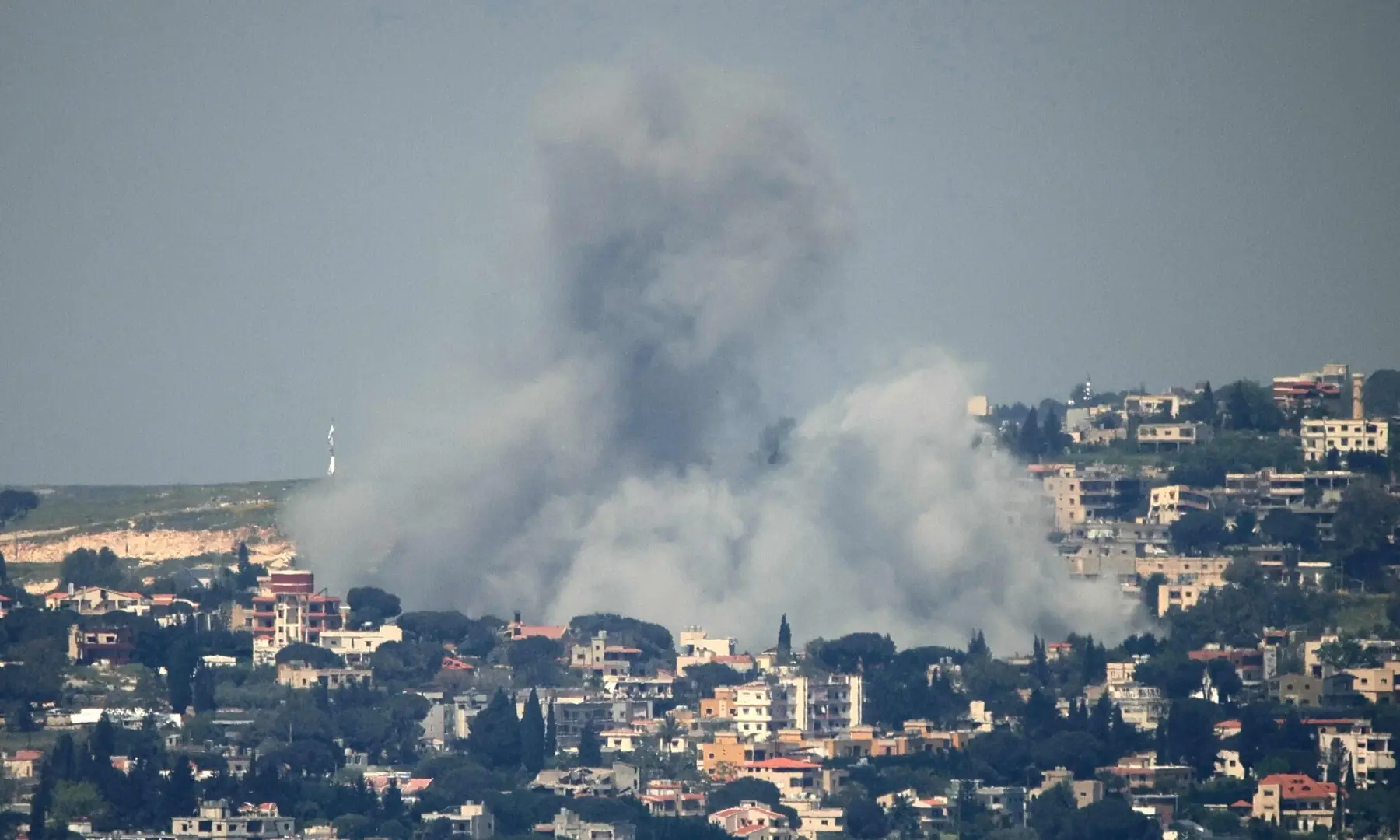
This photograph taken from the southern Lebanese area of Marjayoun (Marjeyoun) shows smoke rising from the site of an Israeli strike that targeted the village of Mayfadoun on May 9, 2026. —AFP
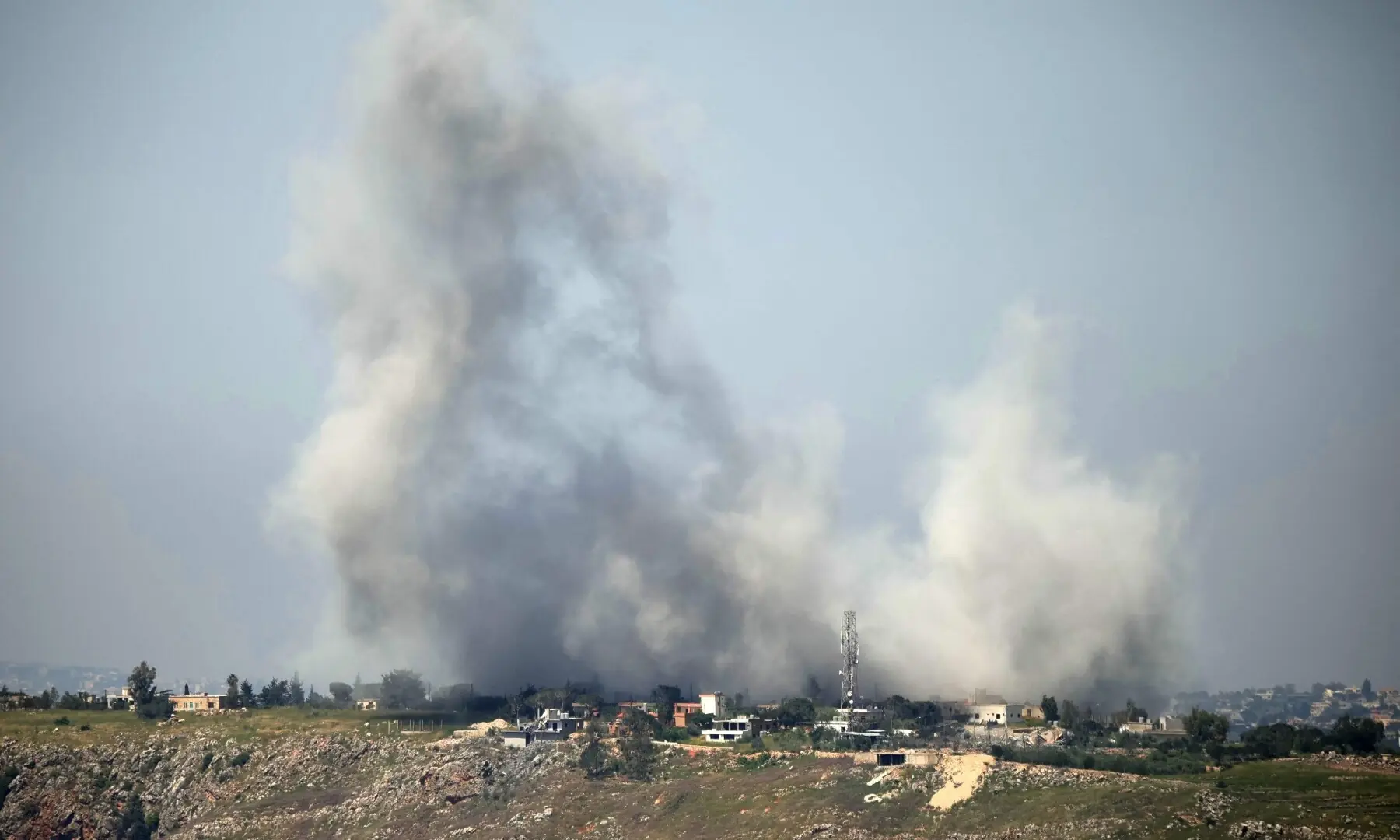
The image from the southern Lebanese area of Marjayoun (Marjeyoun) shows smoke rising from the site of an Israeli strike that targeted the village of Arnoun on May 9, 2026. —AFP
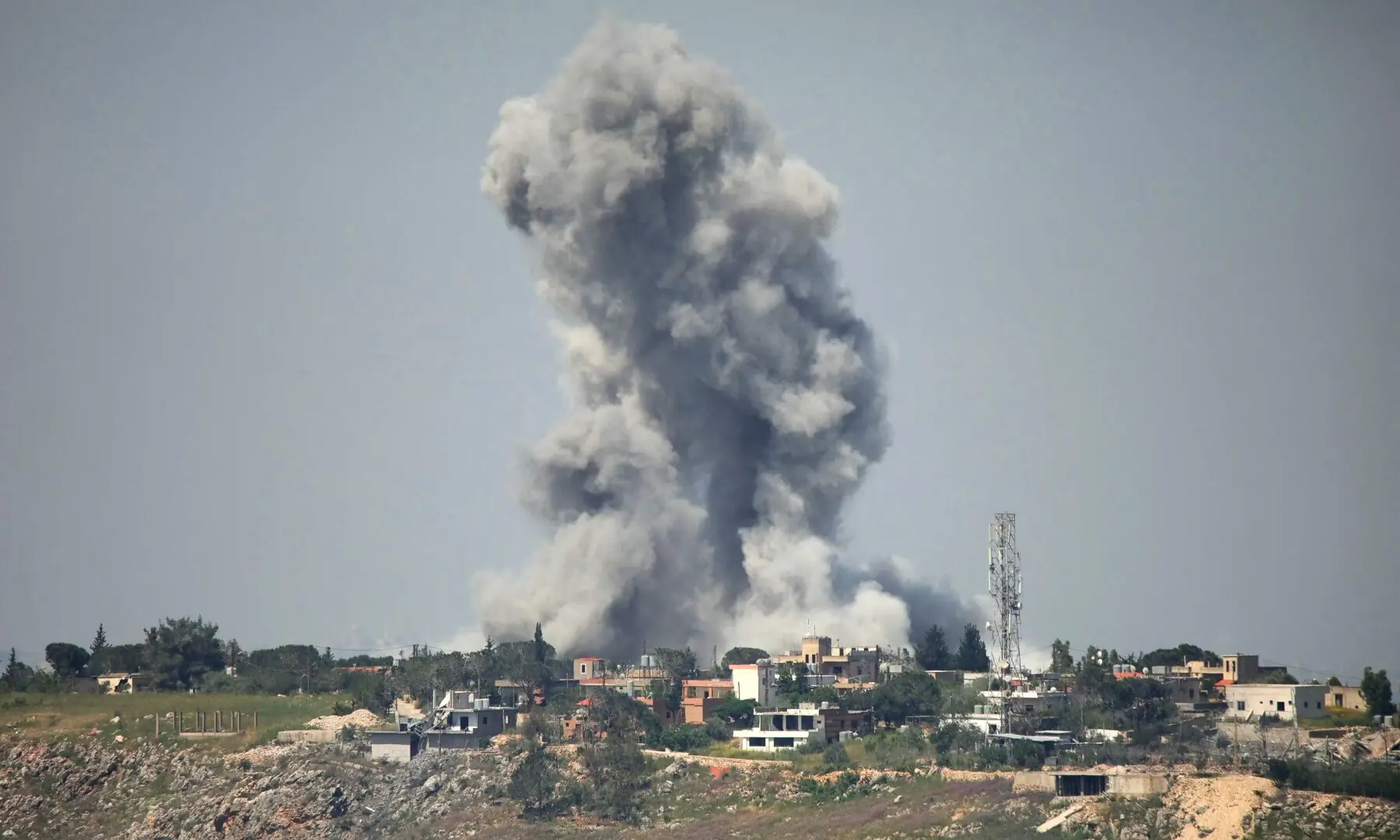
This photograph taken from the southern Lebanese area of Marjayoun (Marjeyoun) shows smoke rising from the site of an Israeli strike that targeted the village of Arnoun on May 9, 2026. —AFP
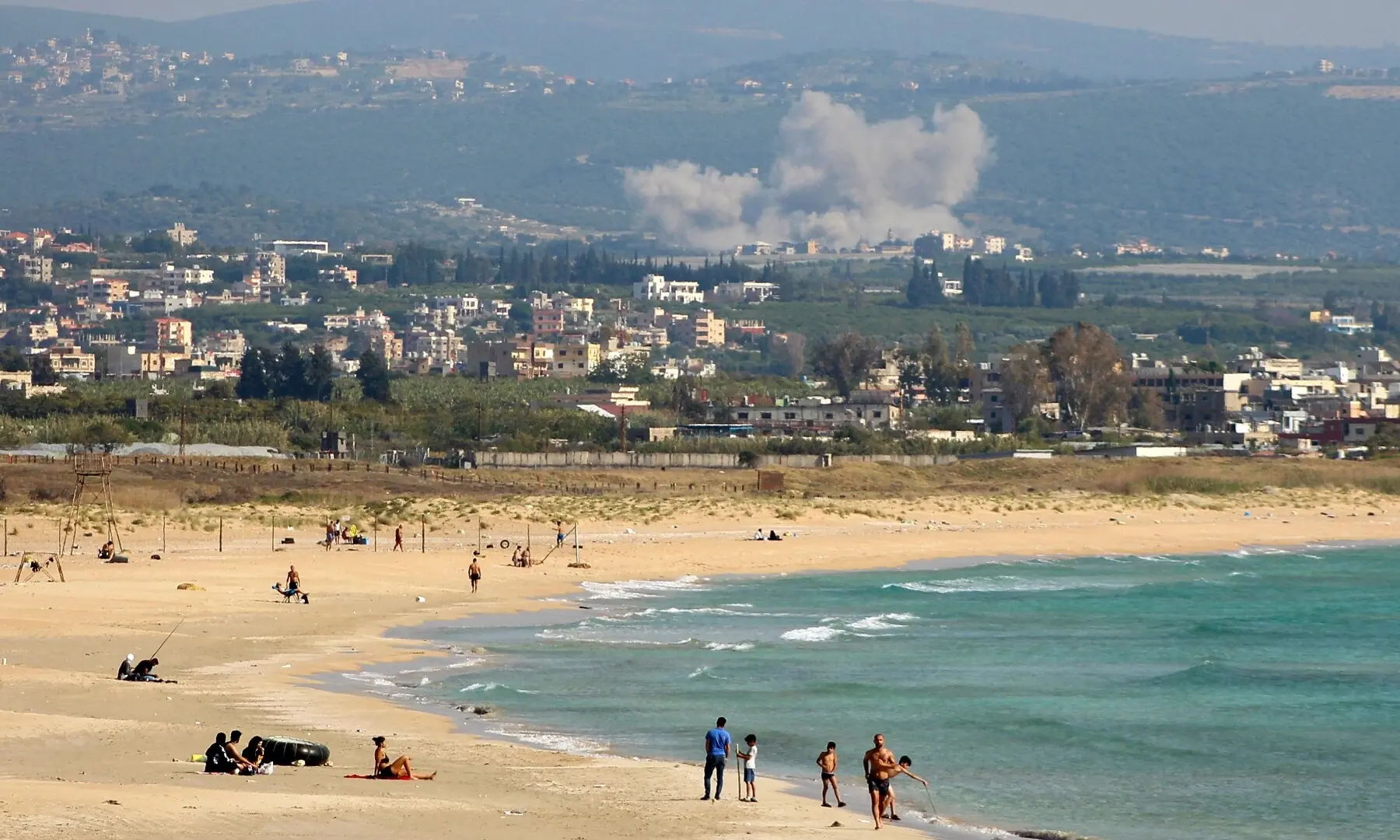
This photograph taken from the southern Lebanese area of Tyre shows people around the beach against the backdrop of smoke rising from the site of an Israeli airstrike that targeted the village of El Qlaile on May 8, 2026. —AFP
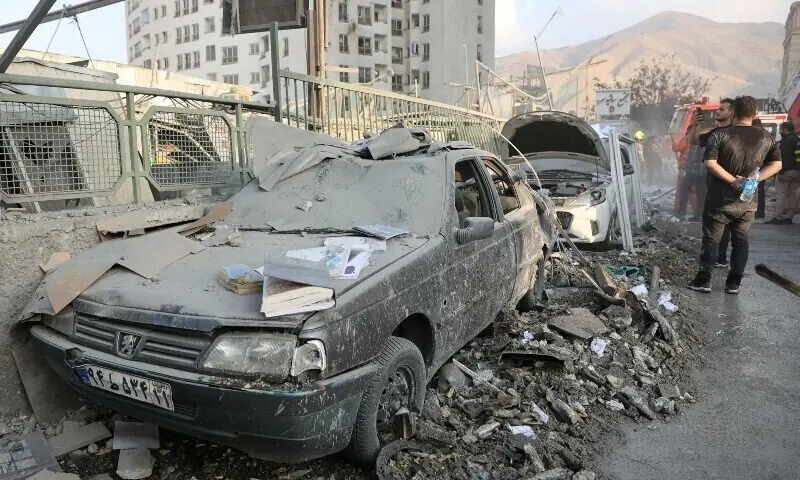
The Central Insurance of Iran has announced that the resources to pay for vehicles damaged in the war with the US-Israel will roll out soon, Al Jazeera reports.
Officials at the Central Insurance Company and Iran Insurance assessed that about 30,000 cars have been damaged.
Damages below 30 million tomans ($387) have been paid out in recent weeks, the officials noted, adding that the cases of damages above this figure will be processed in the near future.
People gather near damaged vehicles in the aftermath of Israeli strikes, in Tehran, Iran, March 3. — Reuters/File
Egypt’s Foreign Minister Dr Badr Abdelatty has spoken on the phone with Qatari Prime Minister and FM Sheikh Mohammed bin Abdulrahman Al Thani and discussed the “rapidly evolving regional developments and joint efforts aimed at reducing escalation in the region”, Egypt said.
According to Abdelatty’s ministry, he “listened to his Qatari counterpart’s assessment of the results of his current visit to Washington, DC, and the meetings and discussions he held with senior US officials”.
“The two sides reviewed the developments in the negotiation process between the US and Iran, and stressed the importance of supporting the negotiation process, emphasising that resorting to diplomatic solutions and dialogue is the only way to address the current crisis,” Egypt’s foreign ministry said.
“Both sides reiterated their hope that all active parties will adopt responsible and wise positions during this critical stage, and rely fully on the option of diplomacy to resolve disputes,” it said, adding that “prioritising political solutions” was emphasised.
Several maritime charities have warned against the isolation and trauma that seafarers stuck in the Gulf for more than two months face due to the ongoing conflict in the region, AFP reports.
From captains to cooks, engineers and other officers, seafarers have found themselves not just stranded but in some cases right in the firing line of the US-Israel war on Iran.
At least 11 seafarers have been killed, according to the International Maritime Organization.
China’s oil imports fell to the lowest level in almost four years in April as the closure of the Strait of Hormuz choked off supplies to the world’s largest oil importer, Reuters reports.
China imports roughly half of its crude oil from the Middle East, where the closure of the strait has slashed the number of tankers carrying oil and refined products to the world.
Crude oil imports fell 20pc in April to 38.5 million metric tons compared to a year earlier, hitting their lowest level since July 2022, according to customs data released today.
Saturday’s data from China does not distinguish between oil arriving by sea and oil coming in via pipeline. Data from ship-tracking firm Kpler, however, puts seaborne crude imports at 8.03m barrels per day, also the lowest since July 2022.
The disruption in the Middle East has led China to tightly manage exports of refined products such as gasoline or jet fuel to protect its domestic market. That policy drove refined oil product exports for April down to their lowest in roughly a decade at 3.1m tonnes, down by about a third since March.
An employee holds Chinese Yuan notes next to an open cap of a car’s fuel tank at a gas station ahead of an announced fuel price hike, amid the US-Israeli war on Iran, in Beijing, China on March 22, 2026. — Reuters/File
Israeli artillery shelling has targeted the outskirts of the towns of Kfar Tibnit, Nabatieh al-Fawqa, and Harouf in southern Lebanon, Al Jazeera Arabic’s correspondent on the ground reports.
In another incident, an Israeli drone attack hit the town of Nabatieh al-Fawqa, the report added.
Russia’s Foreign Minister Sergey Lavrov and his UAE counterpart Sheikh Abdullah bin Zayed bin Sultan Al Nahyan have held a phone call to discuss regional issues amid the US-Israel war on Iran, Al Jazeera reports, citing the Russian foreign ministry.
“The discussion focused on the situation around the Strait of Hormuz, including deliberations on this issue at the UN,” the statement said.
“The Russian side emphasised the need to concentrate on supporting the ongoing negotiation efforts between Iran and the US,” it added.
According to the ministry, Moscow reaffirmed its position that the prospects for stabilisation must not be jeopardised by a resumption of hostilities, which would cause civilian casualties and damage civilian infrastructure both in Iran and neighbouring countries.
“The foreign ministers agreed to remain in contact and work towards aligning the approaches of all parties involved in the search for a long-term, sustainable settlement,” the statement concluded.
The Israeli military called on residents of more than half a dozen villages in southern Lebanon to immediately evacuate ahead of expected attacks against Hezbollah despite a truce with Lebanon intended to halt the fighting, AFP reports.
“In light of the terrorist Hezbollah’s violation of the ceasefire agreement, the IDF is compelled to act against it forcefully,” the military’s Arabic-language spokesman Avichay Adraee posted on X, listing nine villages.
Moscow is urging the US and Bahrain to withdraw a draft resolution in the UN Security Council that calls on Iran to end its blockade in the Strait of Hormuz, Al Jazeera reports.
According to Russia’s state-owned TASS news agency, Russian Deputy Foreign Minister Alexander Alimov told the Izvestia daily news outlet that Moscow “cannot support” the resolution, which is also backed by Gulf states.
“We now call on the co-authors of the US-Bahraini draft to withdraw it and not rush decisions on it, as we don’t yet see any potential for this document,” Alimov said.
Hassan Rasouli, a member of Iran’s Reformists’ Supreme Council for Policymaking, has told the country’s official IRNA news agency in an interview that US President Trump’s efforts to create a rift among Iranian officials are “psychological warfare”, Al Jazeera reports.
Rasouli told the news agency that, in his view, by instilling division and discord in the ranks of officials, US-Israeli forces are “trying to achieve victory without firing a single bullet”.
With his decision to pull some US troops from Germany, his threats to draw down forces elsewhere in Europe and his downplaying of recent attacks on an important Gulf partner, President Donald Trump’s latest moves foreshadow what could be the war’s enduring legacy: the fraying of ties with key allies.
Even as the US and Iran inch toward a potential off-ramp, Trump’s words and deeds have revived fears among Washington’s long-standing friends — from Europe to the Middle East to the Indo-Pacific — that the US might be unreliable in a future crisis.
In response, some traditional US partners are starting to hedge their bets in ways that may bring long-lasting changes in relations with Washington, while adversaries such as China and Russia are looking to exploit strategic openings.