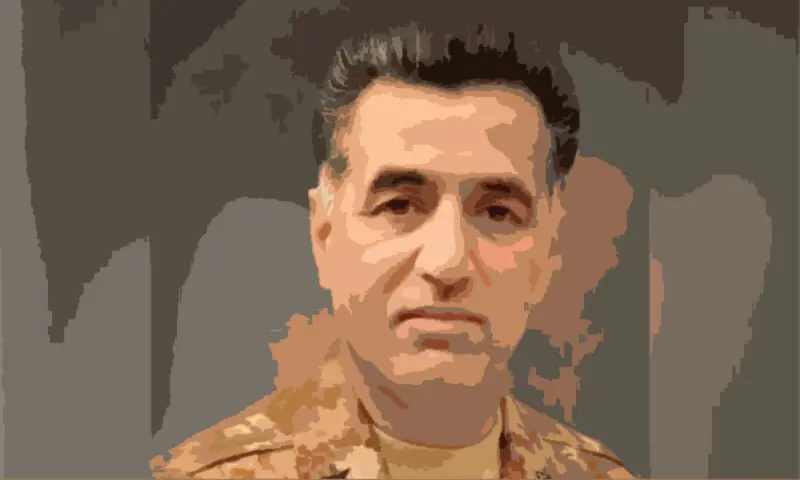
How Faiz’s hubris came undone with failure of TTP ‘resettlement project’
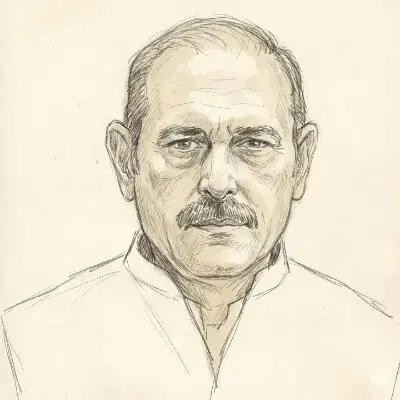
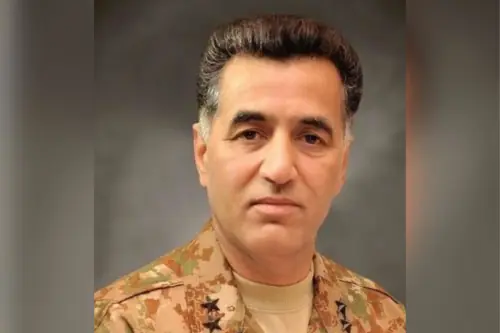
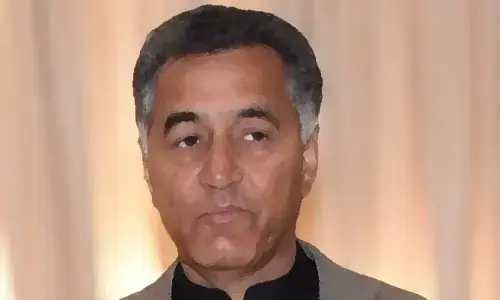
NOW-CONVICTED former spymaster Faiz Hameed Chaudhry was an enigmatic personality, to say the least.
Just weeks before the Afghan Taliban returned to power in August 2021, Gen Faiz — wearing a two-piece suit and a tie — was standing before a podium bearing the ISI emblem, at his office auditorium in Islamabad, with two giant screens on either side flashing statistics on Afghanistan.
He was forcefully articulating his institution’s view that the Taliban’s fight in the neighbouring country, was in fact, a “Pashtun nationalist uprising”.
But minutes later, he took a dramatic U-turn. His words: “Not many people believe me, but in my opinion the Tehreek-i-Taliban Afghanistan (TTA) and the Tehreek-i-Taliban Pakistan (TTP) are two faces of the same coin.”
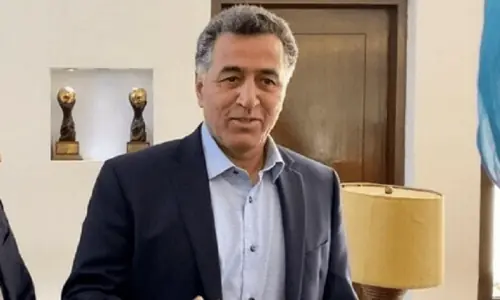
Weeks later, wearing a dark blue blazer with grey pants, there he was standing in a swanky Kabul hotel with a cup of tea in his hands, trying to help patch up the interim Afghan administration, and assuring a western journalist that “everything was going to be just fine” in Afghanistan.
Two months later, in October 2021, when the Taliban were comfortably ensconced to rule Afghanistan, Faiz found himself in Peshawar as commander of the XI Corps to singularly pursue an ambitious, yet extremely complex project — getting the TTP to disarm and return to Pakistan to live as peaceful citizens.
The talks in Kabul, shrouded in utmost secrecy, involved many rounds and several trips. Accompanied by aides from the intelligence community, as well as experienced civil officers, then-Lt Gen Faiz held direct talks with top TTP leader Mufti Noor Wali Mehsud. Sometimes the exchanges were one-on-one, sometimes held in the company of Taliban interior minister, Sirajuddin Haqqani.
“I have full authority to take any decisions”, a confident Faiz had assured his deeply cynical Afghan and Pakistani interlocutors. He came across as so confident, in fact, that his Afghan hosts and even the TTP head honcho began to take a liking to him.
Whether the pursuit of peace with the TTP was his own brainchild — from his time as head of Pakistan premier intelligence agency — or an assignment given to him by his then-boss Gen Qamar Javed Bajwa, it’s hard to tell.
Following his arrival in Peshawar, Faiz immediately set about this secret mission. No one else in the political echelons of Khyber Pakhtunkhwa was in the loop, not even then-chief minister Mahmood Khan.
Predictably, the talks didn’t get anywhere, especially after misgiving about the project within GHQ grew when it became clear that the fragile TTP ceasefire was merely a ruse to give cover to infiltration activities in the hitherto peaceful regions of the province.
But as fate would have it, Faiz couldn’t complete his two-year term and was posted out to Bahawalpur in August 2022. Few outside military corridors knew at the time the actual reason for the sudden change of command in Peshawar.
Whether it was due to the failed attempt to broker peace with the TTP or the high-stakes, behind-the-scenes jockeying for the all-powerful top slot in Rawalpindi that saw his unceremonious departure, the sudden move did trigger speculations and fed into conspiracy theories prevailing at the time.
For many in Peshawar, Faiz was virtually a shoe-in as the next army chief, and even acted like one.
At the time, the Mahmood Khan-led provincial PTI government had practically ceded bureaucratic and financial control to the man, whose phone calls moved things around at breakneck speed.
Under his watch, billions were diverted from the Peshawar Urban Development Fund for the beautification of Peshawar Cantonment, and bureaucrats made a beeline to the sprawling fortified XI Corps compound.
Politicians, too, lined up in the hope of currying favour from the man they thought would shape their destiny and fortune in the not-too-distant future.
But like so much else, things rarely play out as predicted. Faiz’s exit from the military meant that not only was his dream of holding the baton shattered, the aspirations of many in the political class — who had thought to hitch their carts to his horse — were also left unfulfilled.
Published in Dawn, December 12th, 2025
Ismail Khan is Dawn’s Editor (North), based in Peshawar. With 35 years of reporting experience, he covers politics and security issues in Khyber Pakhtunkhwa and Afghanistan. He was part of the NYT reporting team that received the 2009 Pulitzer Prize for its coverage of the region.