How a shepherd’s quick thinking saved a village from flooding
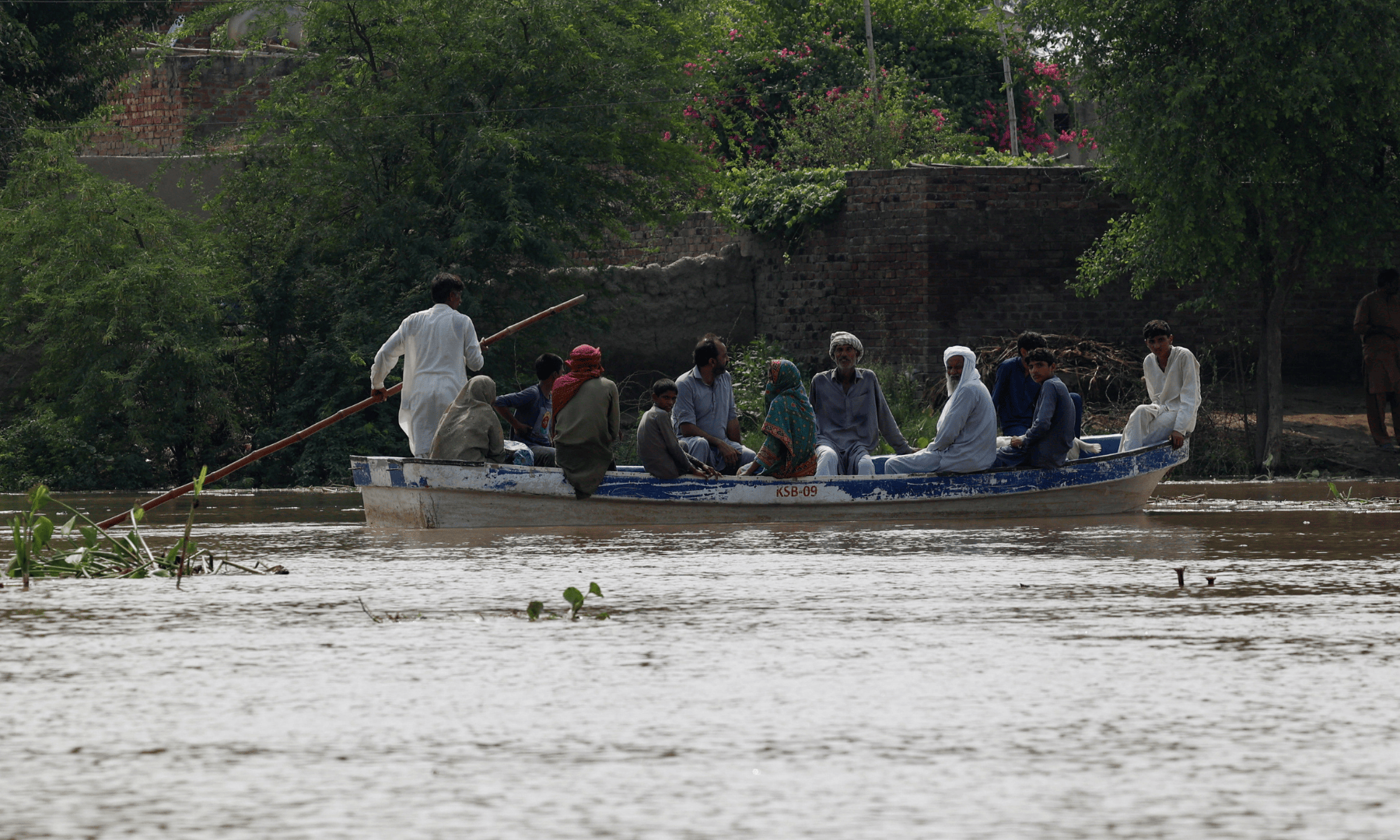
When torrential rains unleashed devastating floods across Pakistan in mid-August, entire communities were swept into chaos.
Nearly 230,000 homes were damaged, 790 bridges collapsed, and more than 2,800 kilometers of roads were torn apart. Livelihoods vanished overnight as fields and livestock were lost to the raging waters.
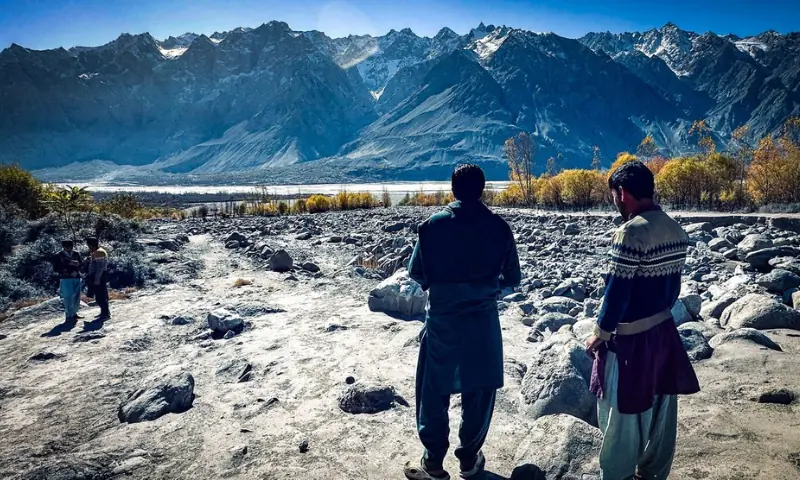
But in Hurchus — a small and remote village tucked deep in the Shigar Valley, northern Pakistan — disaster was held at bay thanks to one man’s courage and quick thinking.
A race against time
Abuzar Hussain, now in his mid-30s, has spent his life tending sheep and goats in the mountains of Shigar. His family relies on incomes from their agricultural land, apricot orchards and livestock.
Around noon that day, Abuzar stood on the upper slopes of the village with his sheep and goats, surrounded by the stillness of the mountains.
Four times he saw small streams of water trickling down — nothing unusual, nothing to worry about. But at six o’clock in the evening, the calm shattered.
A deep, thunderous roar echoed through the valley.
“I climbed a hill and saw a massive, destructive flood surging toward the village across the canal,” he recalls. “I asked myself: ‘How can I protect my family and the other villagers?’”
Abuzar’s own home stood in the flood’s path, and his family of ten had only minutes to escape, along with the other 1,000 villagers.
With no phone signal in sight, Abuzar climbed higher up the mountain, desperately searching for a connection. The valley was silent except for the roar of water. It was evening when most villagers were at home, and no one was in sight. Clutching his phone, Abuzar kept trying and praying for a signal.
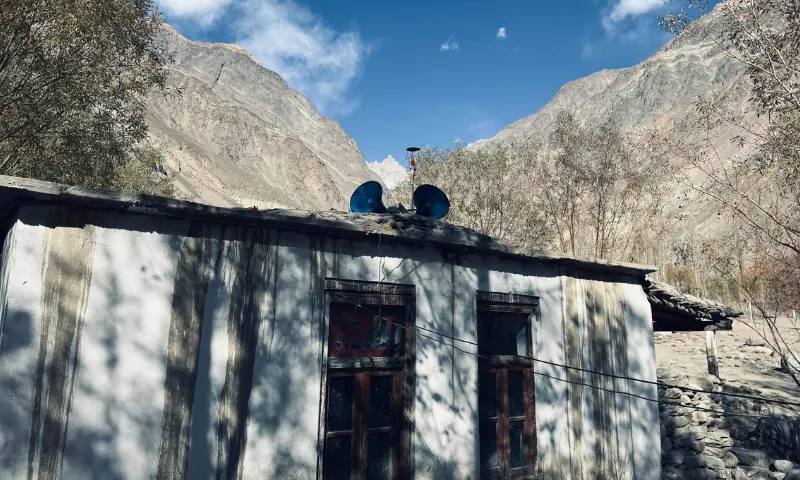
Finally, his call went through. Within minutes, the mosque loudspeaker blared a warning across the village: “Floodwaters are coming — move to higher ground!”
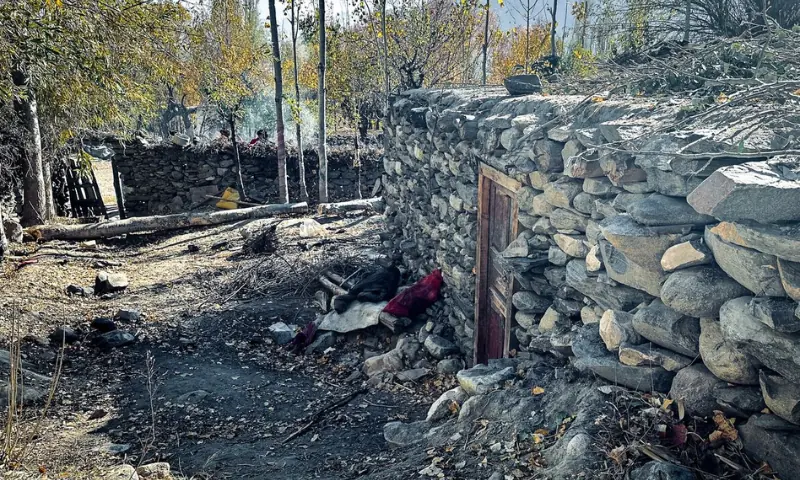
Families scrambled to safety. A few homes were destroyed, apricot orchards washed away, and farmland buried under rocks and mud. But no lives were lost that day in Hurchus. Not this time.
Living under threat
For villagers, floods are no strangers. They suffered the impacts of them in 2020, 2024 and 2025 again. Some villagers are afraid that “if another flood hits in 2026, every house could be destroyed”.
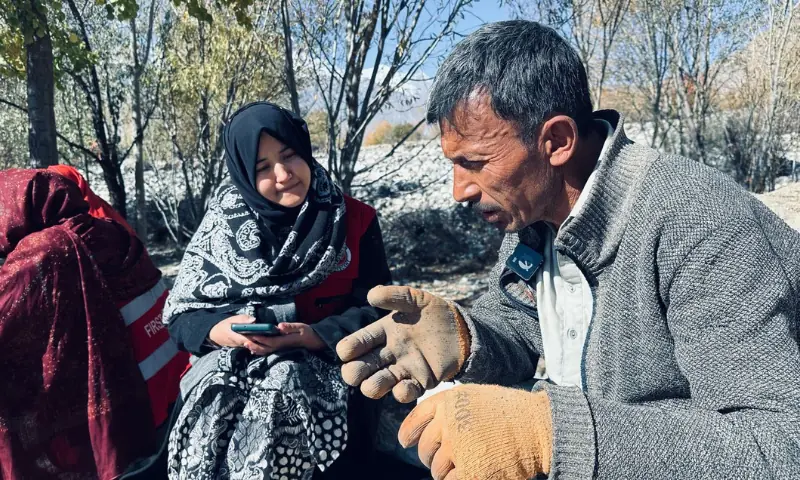
Before the flood, a spring of fresh water flowed through a canal near the mountain above the village. “The water from the spring used to be brought to the village through a pipe, says Mehdi Hassan, the community leader.
“This year, the flood washed away the entire pipe along with the tank.“ Now, the stream is choked with mud and stones.
If the pipe and tank are repaired, clean water will be available again. But winter is approaching, and the dropping temperatures make repairs harder.
“Children already have many complaints of fever,” Mehdi adds, his voice heavy with concern.
Fear looms large. Agriculture — the lifeline of Hurchus — is under constant threat. Now, villagers hope for help from humanitarian organisations.
The wider response
Across Pakistan, early warnings and swift action saved thousands.
Over 85,000 people received early warning messages, and 26,000 were safely evacuated from high-risk areas, thanks to local authorities and volunteers.
According to the National Disaster Management Authority (NDMA), in 2025, the country significantly expanded its disaster preparedness through digital early‑warning systems. The NDMA, in partnership with a local mobile phone network, for example, issued more than 300 million alerts covering floods, heavy rains, and heatwaves, ensuring timely warnings reached communities across the country and enhancing overall readiness for natural hazards, according to a report by the Business Recorder.
The system’s geo‑fenced SMS alerts under DEW‑3 – Monsoon specifically targeted over 23 million residents in high‑risk areas, enabling them to take early precautions and evacuate where necessary. This targeted approach improved coordination between local authorities and communities, helping reduce potential casualties and damage during monsoon floods.
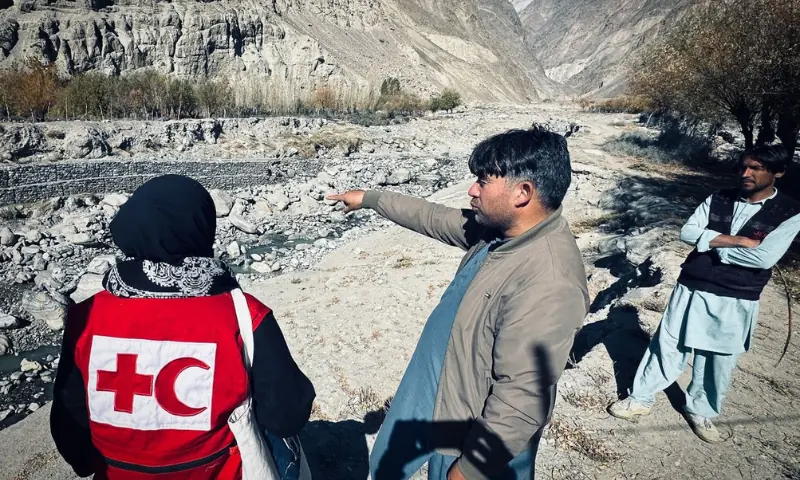
Meanwhile, organisations like the International Federation of Red Cross and Red Crescent Societies also remained at the forefront to help communities with early-warning systems.
“When the floods hit, Pakistan Red Crescent Society (PRCS) volunteers were among the first on the ground,” says Manzoor Ali, Programme Manager at IFRC in Islamabad.
With IFRC support, PRCS rapidly mobilised resources — treating 12,800 patients, providing water, sanitation, and hygiene (WASH) services to 36,000 people, and feeding nearly 200,000 people, he said.
As winter approaches, the focus has shifted to recovery efforts including health services, WASH, cash assistance, and livelihoods support.
How courage and community turned the tide
Abuzar acted not just to save his own family, but because he felt a deep responsibility for his community.
“If I didn’t warn them, many lives could be lost,” he said quietly, his hands resting calmly on his knees as he narrated his experience through an interpreter.
Abuzar Hussain’s quick thinking turned fear into action, warning families just in time. Though some livestock and many orchards were lost, his family, and the entire village, survived. The fight isn’t over (he still fears the next flood), but his story proves one truth: when disaster strikes, courage and community can mean the difference between survival and loss.
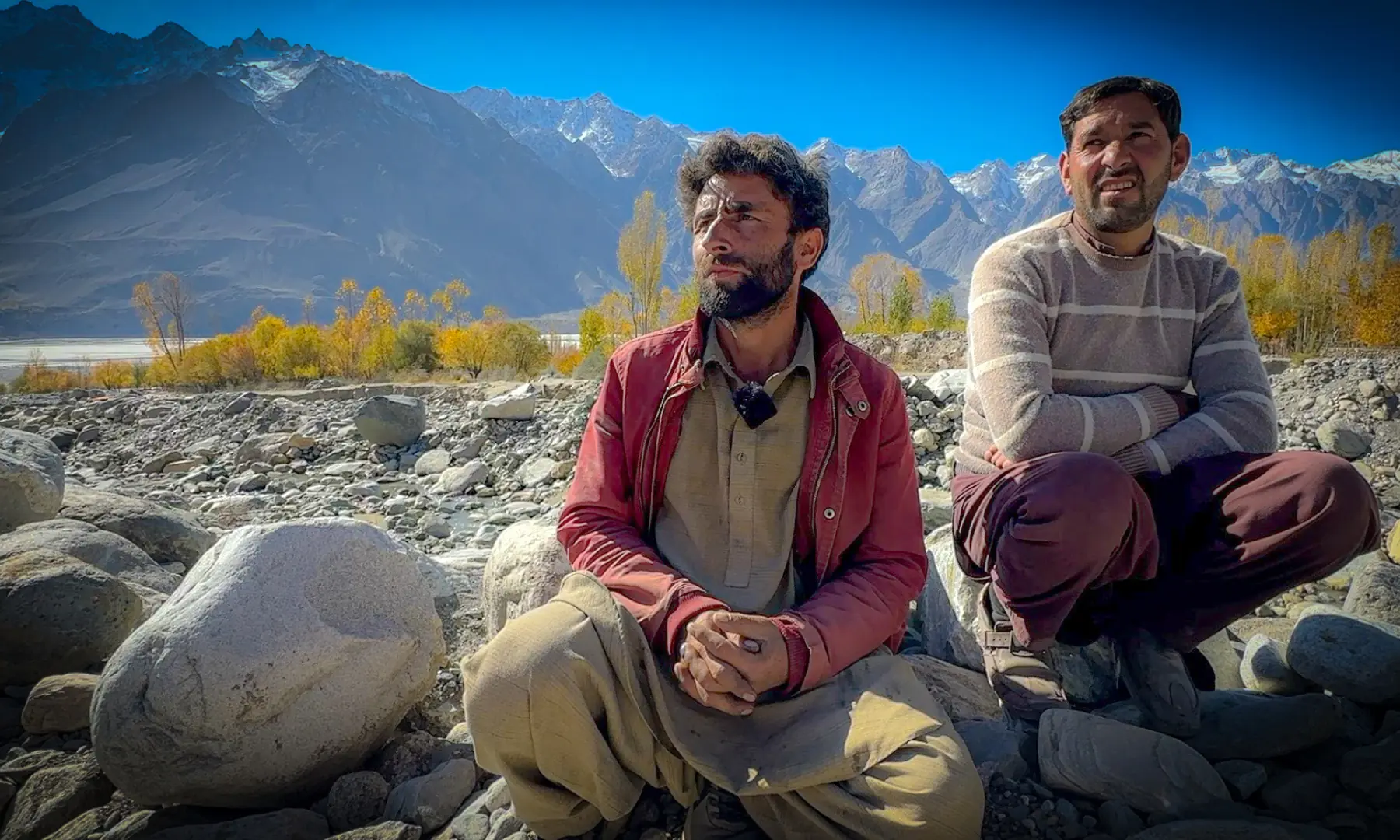
Header Image: A photo of Shepherd Abuzar Hussain with an unknown villager.
Story written by Stephane Corbeil, IFRC Surge Communications Officer, currently deployed in Pakistan to document the impact of the 2025 monsoon floods. It was issued as a press release.