Pakistan’s T20 problem is unpredictability without a plan
Pakistan’s T20 problem is not that they are unpredictable. It is that they are unpredictable even to themselves.
For a team whose greatest strength has often been its capacity to produce the unexpected, that distinction matters.
Pakistan do not need to become predictable. They need enough structure to know where their unpredictability belongs.
The three-match T20 series against Sri Lanka, beginning Friday at the Rawalpindi Cricket Stadium, will reveal more about Pakistan’s direction through who bats where and who bowls the death overs than through the final scoreline.
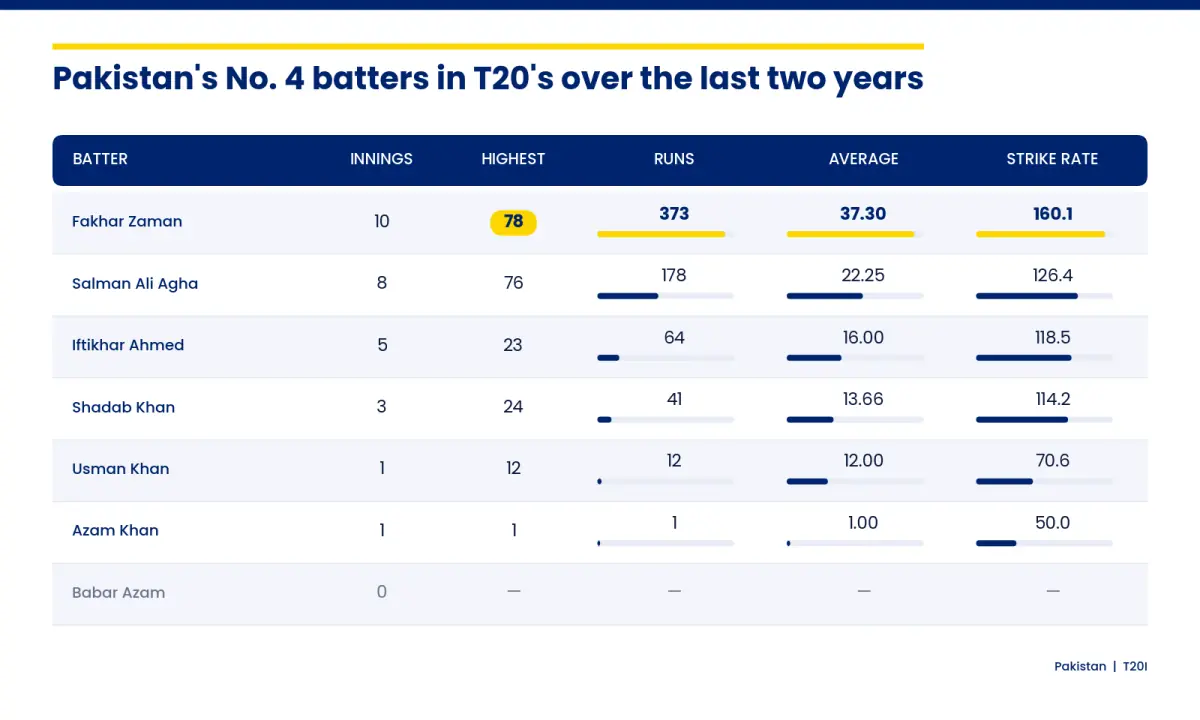
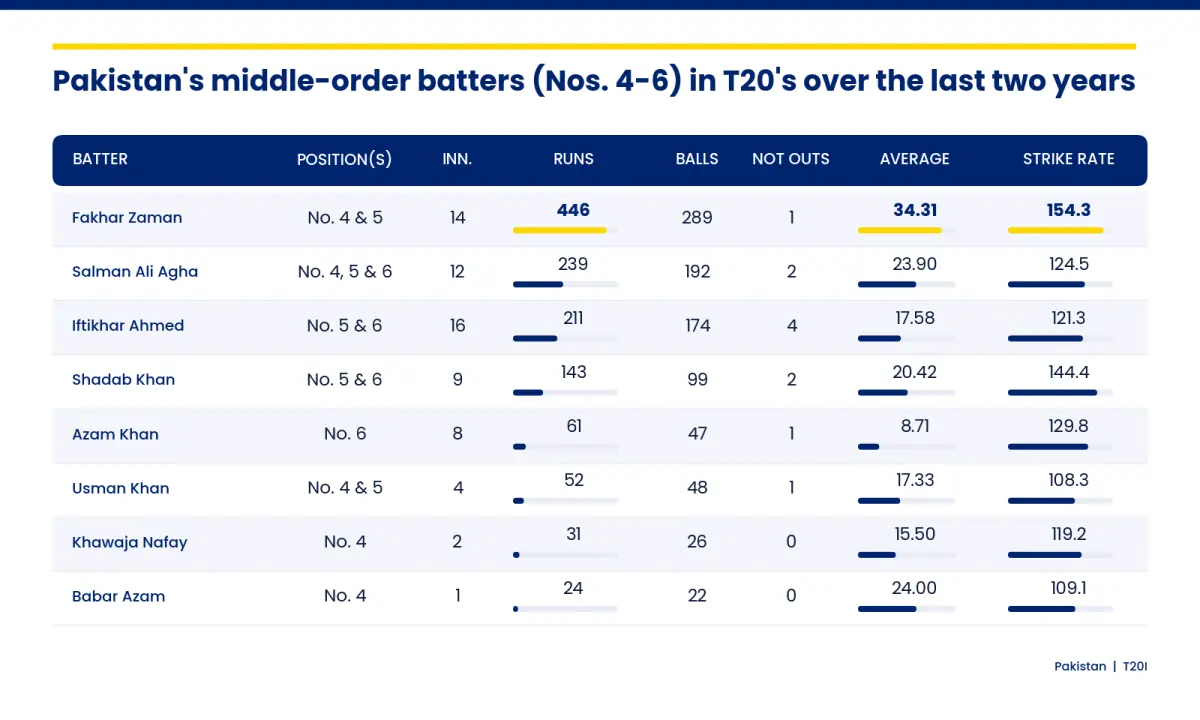
Ask who occupies No. 4 in Pakistan’s T20I batting order, or who regularly bowls the 19th over, and the honest answer remains: it depends on the week. That uncertainty, more than any shortage of talent, is what this series must begin to settle.
The squad has rarely stood still. In 2024, Pakistan won nine and lost 16 of their 27 T20Is. Coaching changes have been just as frequent, with successive resets becoming a feature of the team’s recent history. Each new regime has promised structure. None has yet produced a settled shape that lasts.
Clarity wins matches
The clearest recent evidence of what clarity can achieve came at the 2021 T20 World Cup in Dubai.
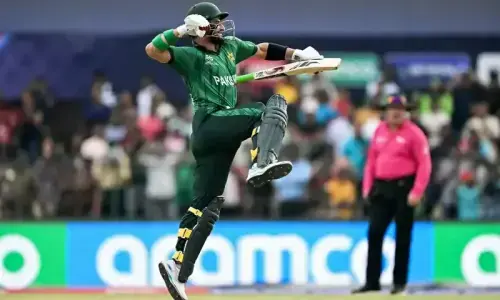
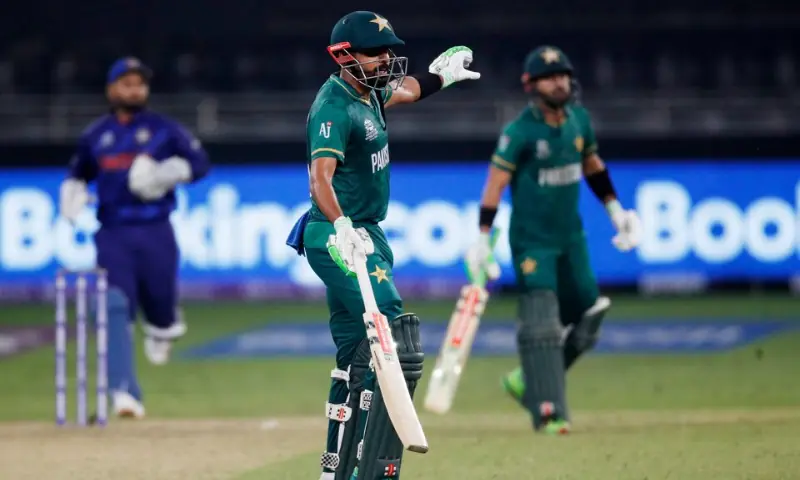
India made 151 for seven. Babar Azam and Mohammad Rizwan chased the target without losing a wicket, finishing with 13 balls to spare. It ended Pakistan’s 29-year wait for a World Cup victory over India.
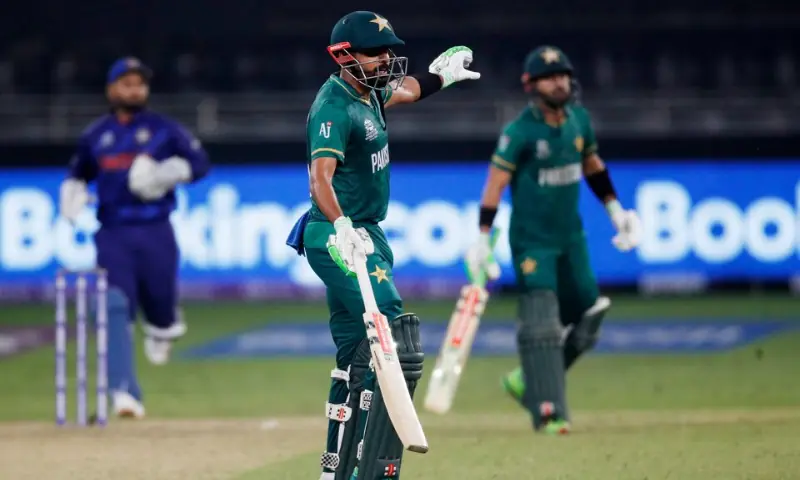
There was nothing chaotic about the chase. Two batters knew what the innings required and delivered it.
The same tournament also offered a reminder of how quickly a match can turn when execution fails. In the semi-final against Australia, Pakistan reduced the opposition to 96 for five while defending 177.
Matthew Wade and Marcus Stoinis then added an unbeaten 81. Hasan Ali dropped Wade, who responded by hitting three successive sixes off Shaheen Afridi in the 19th over.
Close matches often turn on unglamorous details: the catch, the over, the plan.
Pakistan’s capacity for the improbable is genuine. At the 2022 T20 World Cup, they lost to Zimbabwe by one run and still reached the final after the Netherlands defeated South Africa and Pakistan beat Bangladesh and New Zealand. That resilience cannot be coached. But relying on it every tournament is not a strategy.
What the Asian Games showed
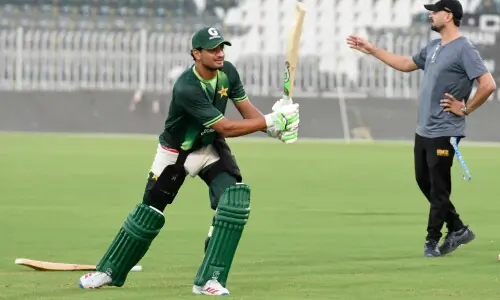
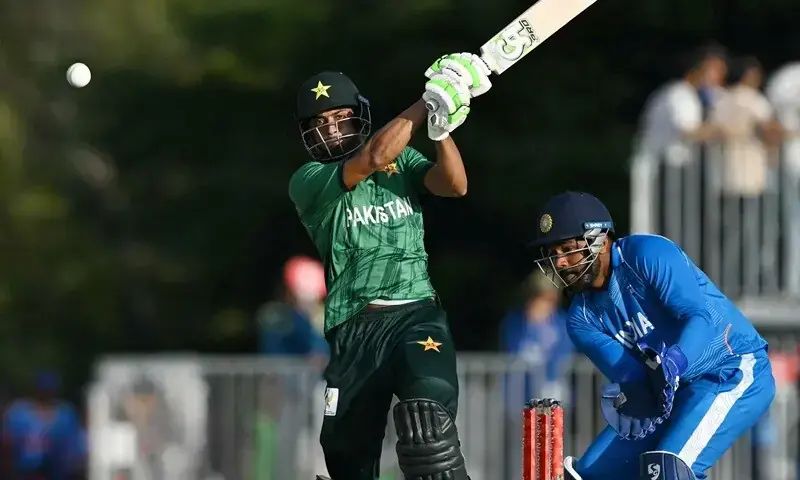
At the 2026 Asian Games in Japan, Pakistan won silver, losing the final to India by 19 runs. In a rain-reduced semi-final against Bangladesh, they chased 112 in 13 overs after slipping to 53 for four. Abdul Samad and Hasan Nawaz added an unbeaten 59 from 32 balls and finished the chase in 11.3 overs.
The final was more instructive.
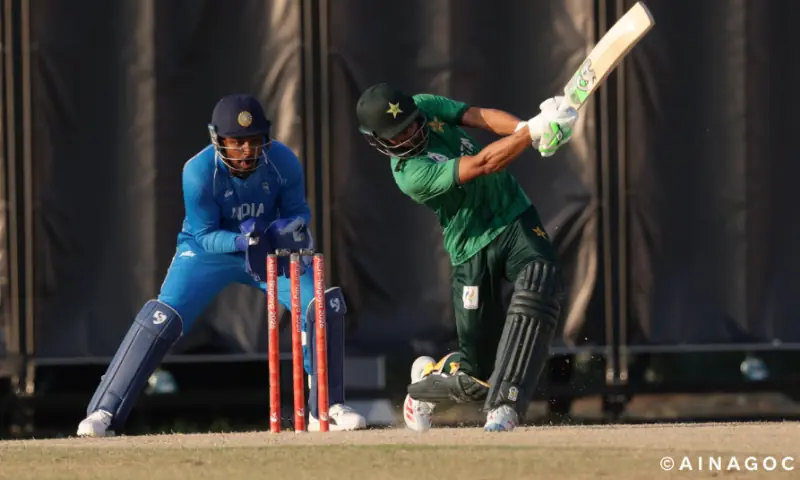
India made 211 for six. Pakistan were 39 for three when Hasan Nawaz and Saim Ayub joined forces and added 87. Nawaz reached his fifty from 28 balls, with five sixes, and was still at the crease when the final over began with Pakistan needing 33. He fell off the last delivery for 96 from 51 balls.
Across the two innings at the Games, Nawaz scored 123 runs.
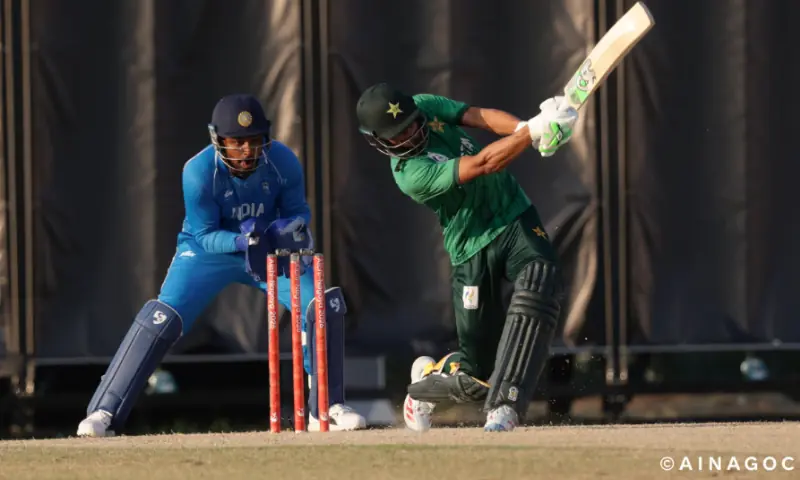
The temptation is to ask whether Pakistan have found their next middle-order batter. The more useful question is why it took a low-stakes campaign for a batter to be given a clear role and allowed to fulfil it.
Pakistan do not need more all-rounders being asked to fill the middle order. They need middle-order specialists.
Two problems, one habit
A middle-order batter must absorb pressure without becoming passive, attack without ignoring the state of the innings, manipulate spin and recognise when an innings needs repairing rather than rescuing.
These are skills. Pakistan have too often treated them as qualities that talented players will simply possess.
Death bowling reveals the same problem.
In the Asian Games final, after Abhishek Sharma’s 61 off 28 balls, Tilak Varma and Shivam Dube added 62 in five overs to take India beyond 200. Although Pakistan had only one pacer at their disposal, they still lacked a coherent plan for the closing overs.
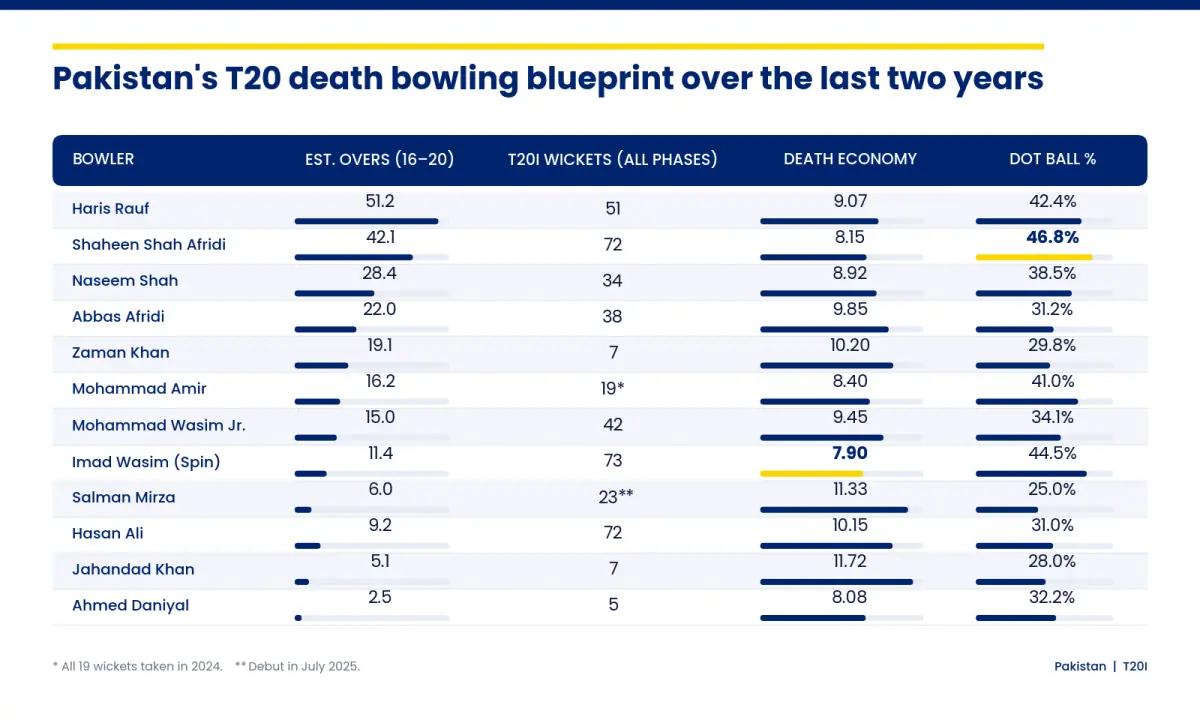
Raw pace is a resource. Death bowling is a craft: knowing when to bowl the yorker, when to take pace off, which boundary to protect and which risk to invite, and then executing the decision under pressure.
Both shortcomings stem from the same habit. Pakistan have enormous raw material and sometimes assume that the finished skill will emerge automatically.
A talented batter is not automatically a middle-order batter. A fast bowler is not automatically a death bowler.
Why roles do not kill flair
The usual objection is that greater structure will iron out the unpredictability that makes Pakistan dangerous.
It need not.
A defined role can free a player from spending the first half of a match working out what the team needs from him. The flair remains. It simply has somewhere to go.
Pakistan have heard the word “structure” before. The difference this time should be in how it is applied.
Selectors need to name a specific role for every selection, rather than merely putting a player’s name on a list.
The coaching staff then needs to stick to those roles, giving the same batters Nos. 4 to 6 and the same bowlers the death overs across a full series before judging them.
Domestic cricket also has a role to play. Middle-order batters should be developed as middle-order batters, rather than having all-rounders routinely pushed up the order to solve short-term problems.
The Sri Lanka test
The squad announced this week offers clues to the current thinking.
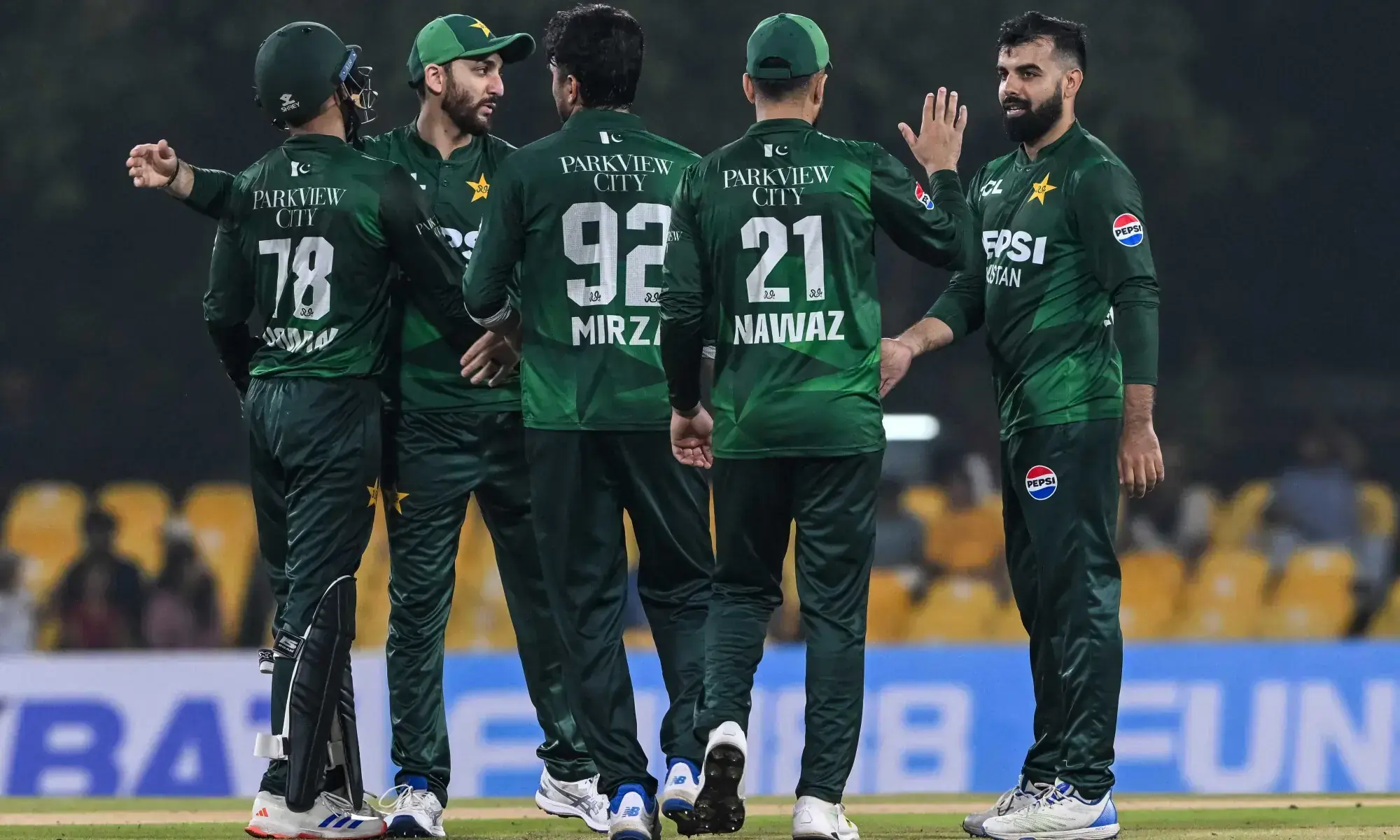
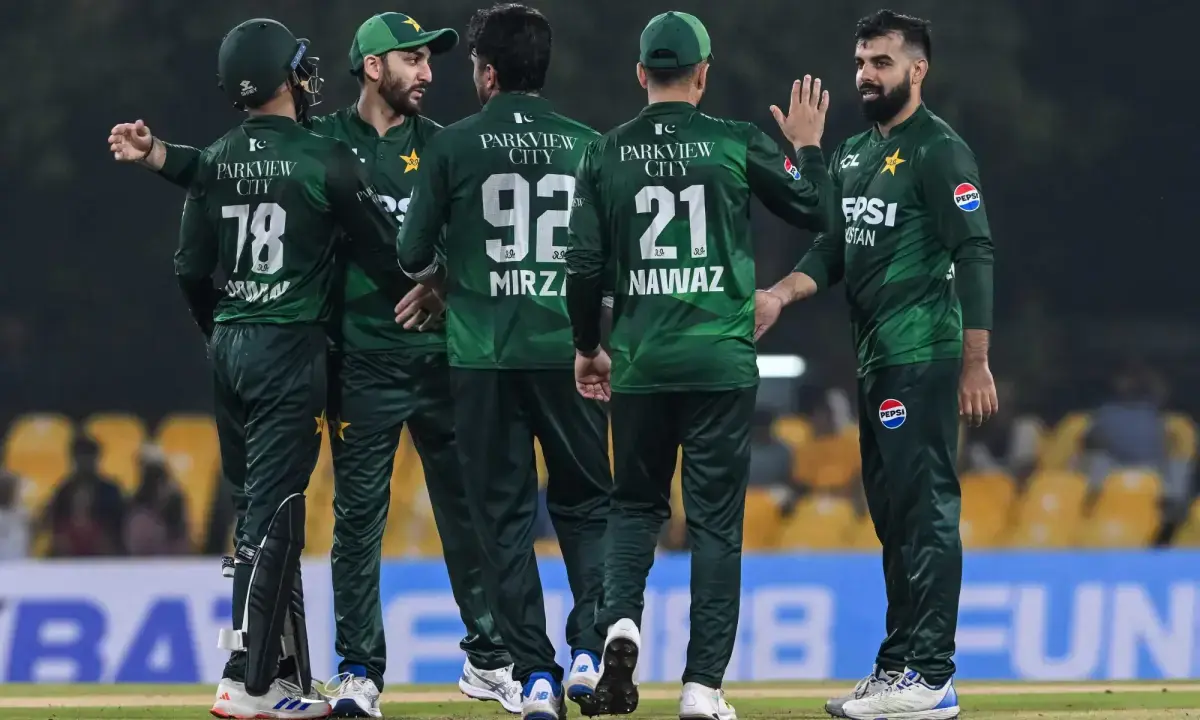
Sahibzada Farhan, who captained the Asian Games side, takes over the T20I captaincy from Salman Ali Agha, who has been left out of the format but retained in the ODI squad. Hasan Nawaz, Abdul Samad, Naseem Shah, Fakhar Zaman, Saim Ayub and Shadab Khan are included.
Razaullah, fresh from an impressive Test debut against England, receives his first white-ball call-up alongside Mohammad Imran Randhawa.
What the announcement does not establish is more important: who bats where and who owns the death overs.
Sri Lanka, led by Kusal Mendis, are without the injured Pathum Nissanka and Wanindu Hasaranga but still have Maheesh Theekshana, Dunith Wellalage and Dasun Shanaka in their ranks.
The test of any new structure should be simple and visible by the third match.
Who bats at No. 4, and is it still the same player?
Who bowls overs 17 to 20, and is the responsibility consistently assigned?
Who walks in when Pakistan lose an early wicket?
And what does Farhan do when the match stops following the script?
The scoreline will record who won the series. The roles will show where Pakistan are heading.
A team that knows exactly what it is doing can still surprise everyone else. That is the unpredictability Pakistan should keep.
Noorish Khan is Pakistan’s youngest sports journalist, presenter and commentator, with national and international tournament coverage and extensive cross-border collaborations. She has fronted an exclusive LaLiga football feature and writes on Substack, bringing a technically rich, distinctive lens to sport.