Game Review Part 2: Slay the Spire 2 deeply understands what its players want
TL;DR
Pros:
- Closely listens to what fans ask for and provides it
- Blends creative new features into a tried-and-true formula
- Alternative Acts make for a less predictable experience
- Embraces the love for lore with a full expanded universe
- New allies (and co-op) make the quest less lonely
- Both new player characters are great, I’ve decided
Cons:
- Still a few stability concerns
- The Merchant is less talkative now
Final score: 6/7 — A game that makes both old and new features pop
Reviewed on: PC; available on: Windows, MacOS and Linux (Early Access).
Price: $11.99 (Steam)
This is part 2 of a full review of Slay the Spire 2. You can read Part 1 here.
An interesting part of reviewing games is that, no matter how much I enjoy one, it’s difficult to find the energy and motivation to come back to it in my limited free time when I have new ones to try out. I’m happy to report that this is not the case for Slay the Spire 2, nor even the original Slay the Spire — both are a delightful time-sink and neither has gotten old yet.
Having now played more of both games, I have a better appreciation for what StS2 has done with its laurels instead of just sitting on them. In part one of this review, I talked about how the familiar aspects of the first game are elevated in this sequel; this part will focus more on what’s new.
I’ve been near-exclusively playing using the two new characters and exploring different playstyles for each. I love the versatility each one has to offer, and the Spire itself contributes something new to the equation with new environments, encounters and even new, powerful Ancients alongside Neow to aid you on your ascent.

(A note: Due to personal constraints, I am only reviewing the single player experience of the game. I’m thrilled that co-op questing is now baked into the game, even featuring its own multiplayer-exclusive cards — but it wouldn’t be fair to assess a feature I haven’t yet gotten to try. Those of you readers who have opinions on it, I welcome your thoughts!)
Why did it get review bombed?
To quickly address a controversy: StS2 has been the victim of more than one review bomb in less than six months, and it’s a shame, because the game is fantastic.
From a basic investigation, here’s a summary: the first review bomb related to the removal of some powerful cards for game balancing purposes. The second related to a stir about Anita Sarkeesian — a media critic best known for being a prominent target of the Gamergate harassment campaign — being listed as a consultant in the credits, according to Kotaku.
At the risk of sounding dismissive: the cards have since been added back, it’s not 2014 anymore, and I’m a woman who’s a video game critic myself. So I think we can move on and judge the game on its own merits.
The Regent: A misleading first impression
I’ll admit it: the Regent is finally growing on me. I have a soft spot for characters written to be annoying (sue me), and his mechanics aren’t so bad when you give them a chance.
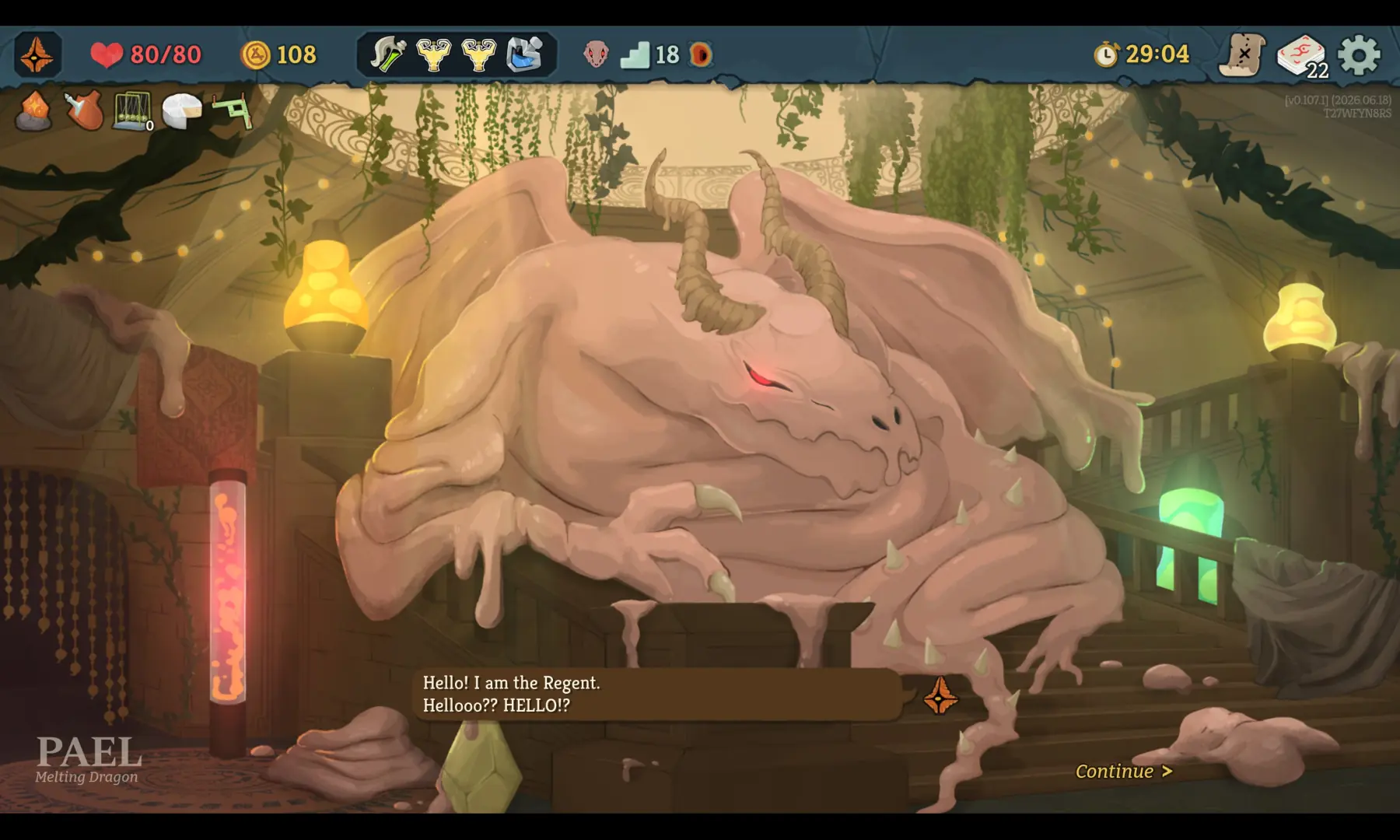
Last time, I complained about the use of ‘stars’ to play cards alongside energy. The stars still aren’t my favourite gameplay mechanic, and in my opinion they’re the weakest gimmick of this character. Again, they’re just another type of energy resource, and can actively hinder your run if you don’t have a plan for them.
That said, I do appreciate that they function differently from regular energy, not automatically replenishing across turns, so that you’re challenged to strategise a little bit harder and plan ahead of the cards in your hand.

I can see a world where the stars are only used for a completely separate set of cards, instead of having to work in tandem with energy; or a world where they help provide something different, like a healing mechanic. Either way, this is still a novel mechanic that can be used smartly for some interesting effects. While it takes a bit to get used to, I think the extra strategy and layer of thinking it requires may in fact be what more seasoned players are looking for in the new game, which otherwise may skew a bit easy for a longtime fan.
The Regent also comes with some other more fun mechanisms, true to his “outer space ruler” theming to varying degrees. I like his minion attacks for being a very character-specific mechanic — of course this guy would deploy a bunch of servants to die for him — and I especially like his big floating sword that can stack a hefty amount of damage before deploying it all at once for some flashy devastation.

None of the Regent’s mechanics are subtle or sneaky; they’re an in-your-face show of might, which I think suits his character perfectly. I do wish that, true to his kingliness, he’d start his ascents with a little more money than other characters for the sake of flavour — they can be balanced out in other ways to keep things fair.
The Necrobinder: My new best friend

The Necrobinder remains a fantastic new addition to the Spire’s cast, as does her familiar Osty. Everything from her design to her personality and lore is instantly compelling — you simply cannot go wrong with “vengeful flaming skeleton sorcerer”, and she’s a girlboss to boot! A+, Anita.
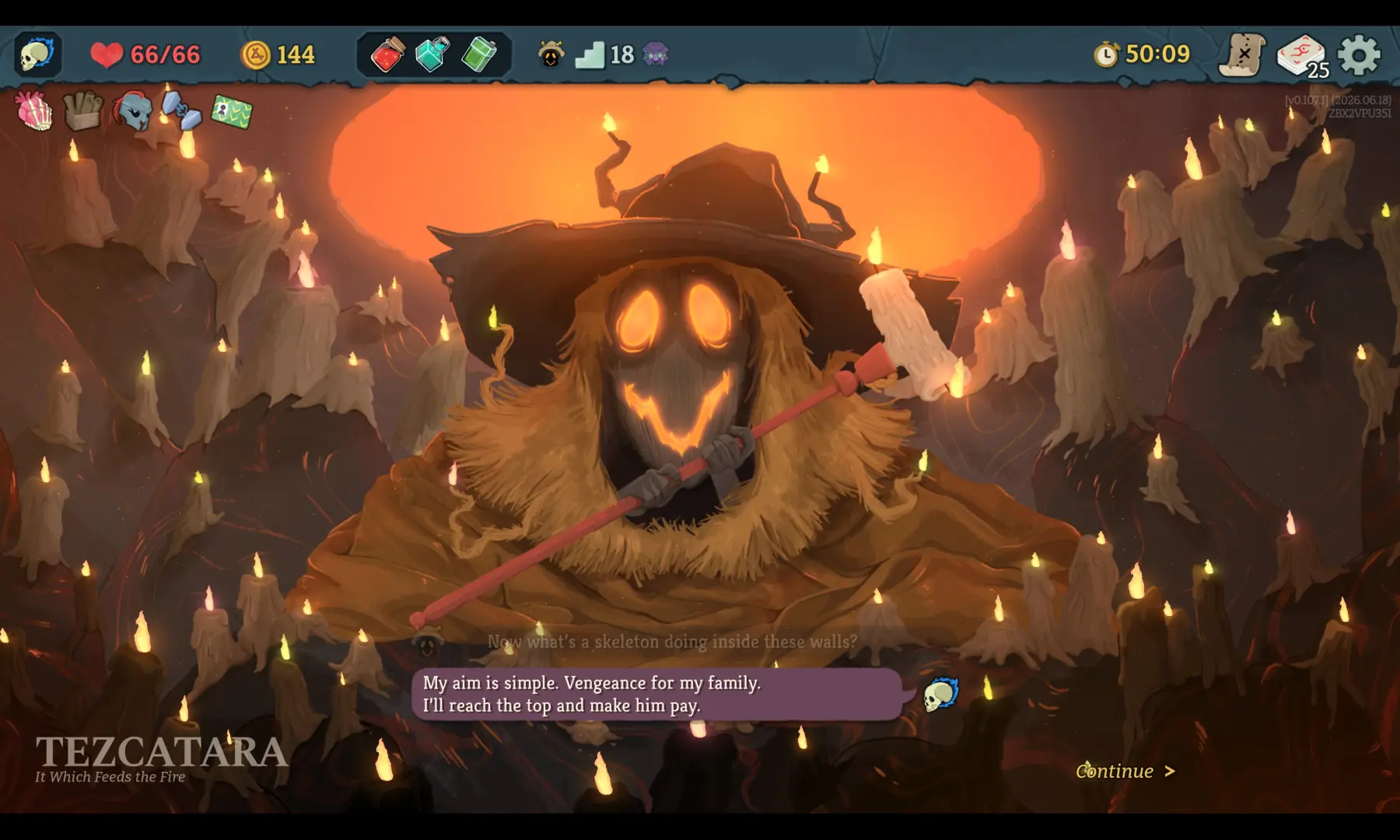
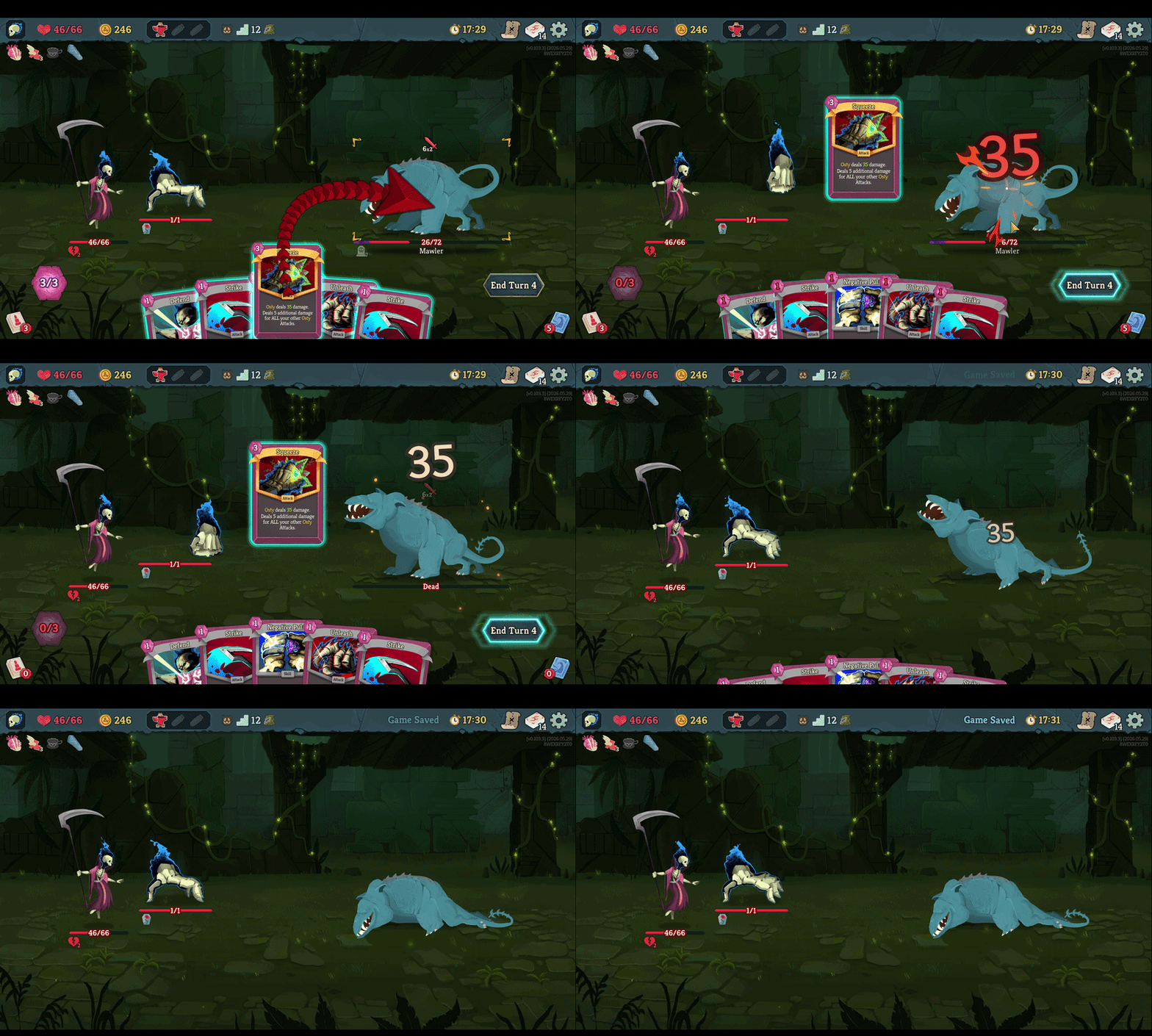

Mechanically, I love how her battle style embraces her Grim Reaper vibe with effects like ‘doom’ —enhanced by pleasant visuals of enemies being dragged back into the ground from whence they came — while simultaneously keeping it light with a big, loyal, Addams Family-esque pet hand that would (and will constantly) die for you.

Like the Regent, the Necrobinder has a versatile skillset, which allows for a lot of variation in builds. I’m always a big fan of stacking status effects — with the Silent, for example, it’s poison, and here it’s piling on huge amounts of doom to literally send enemies to an early grave.
I also really, really enjoy any run where I can find an interesting use for Osty, who can potentially be a glass cannon with an attack build, buff your other cards by constantly dying, or stack a respectable amount of health and become a formidable shield if you play your cards right.
Fun fights, alternate acts and fresh faces



I’ve been really enjoying what the new bosses have to offer. In some cases, they take clear inspiration from clever, successful ideas in the first game (looking at you, Kaiser Crab), while in others they throw in new powers and gimmicks that are both fresh and really fun.


Also, maybe the best decision the new game makes is the addition of new regions that can start being unlocked not long into the game, which serve as alternative versions of each Act. I love this choice. Not only does it provide some extra randomness to each run once you’re ready, but it keeps each ascent from being too predictable with the kinds of monsters it’s going to throw at you.
In particular, I’m a huge fan of the Underdocks, the alternative version of Act 1, which leans hard into its nautical theming with enemies that are seaweedy, seafoody or just plain wet — enhanced by some great animations and vibrant use of colour.


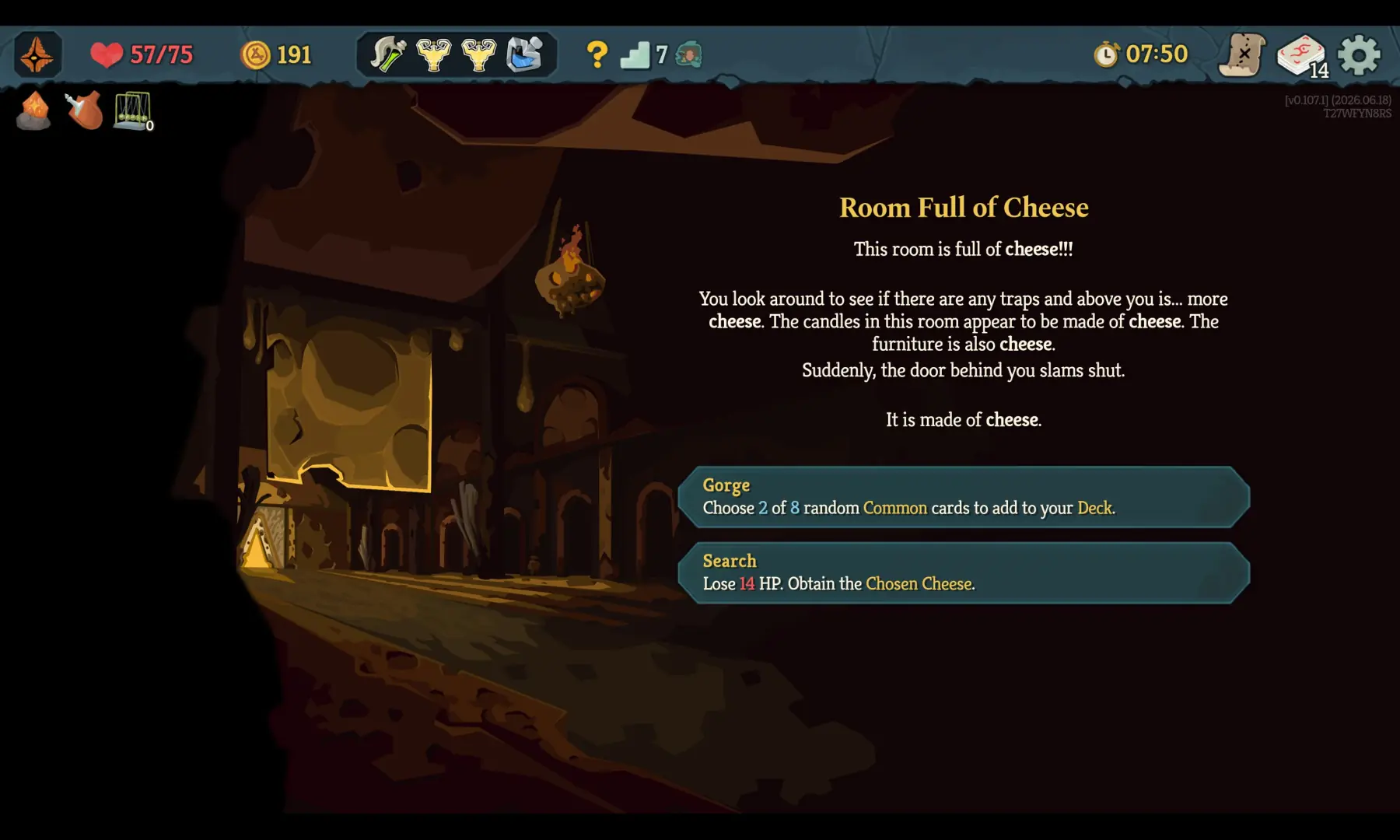
Additionally, Neow isn’t the only age-old deity swimming around in the Spire anymore: new Ancients are unlocked as you progress, joining other NPCs that greet you between Acts with specialised powerups to boost you along. Unlike the big ol’ chest of relics you used to see after a boss fight, these guys actually talk to you, and they have a lot of personality.
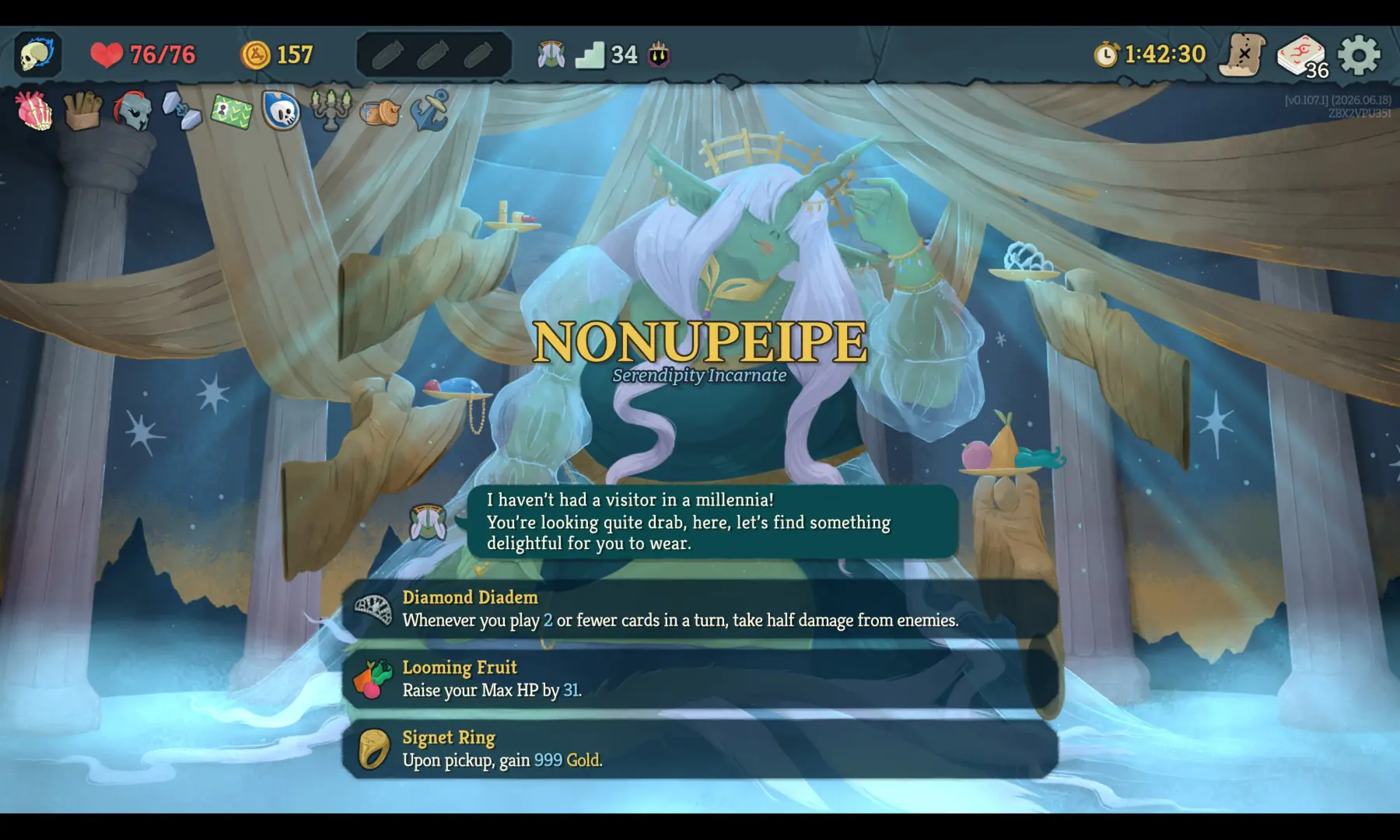
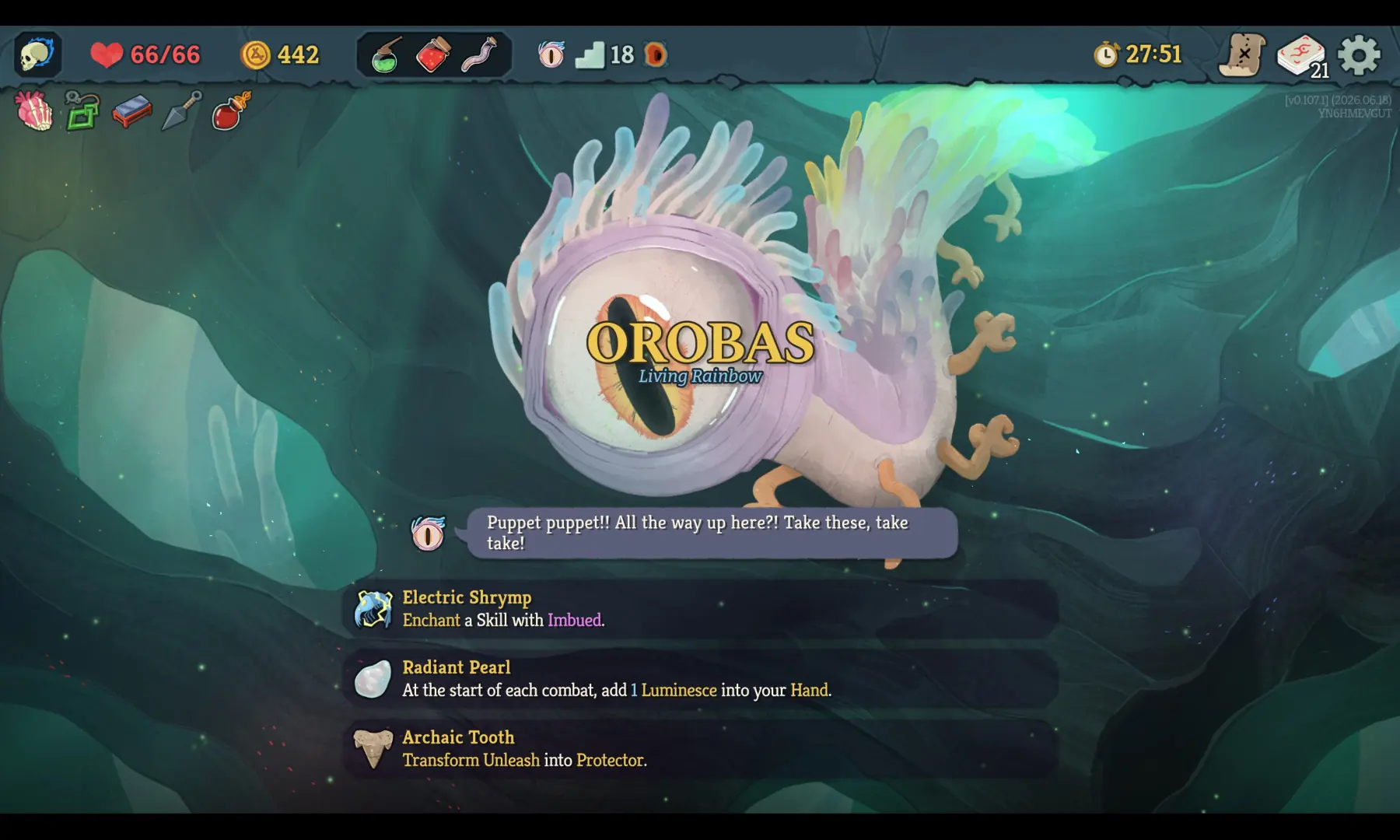

I think what I like the most about all these characters is that, unlike the first game, your ascents don’t feel so lonely anymore. There’s always a guarantee of meeting interesting and powerful allies as you go— even though the Merchant regrettably doesn’t talk much now, which makes me sad. I miss our conversations, but at least he’s there.
Lore for days
The timeline is a great way for the Spire duology to embrace enthusiasm for the lore behind the universe by fleshing it out further. Alongside the existence of the official multiplayer mode, I think this stands as a perfect example of the creators showing that they paid attention to the reception of StS1 and what people enjoyed, without coming off as an obvious or desperate move to bait fans. They know what the people want, and it’s storytelling.

The timeline has two additional strengths. Firstly, it unlocks new epochs (entries) based on not only progress but on players’ initiative: seeking out Elites (minibosses) to fight or using certain characters, for example, becomes easier when you’re motivated by the reward of unlocking lore you otherwise wouldn’t.
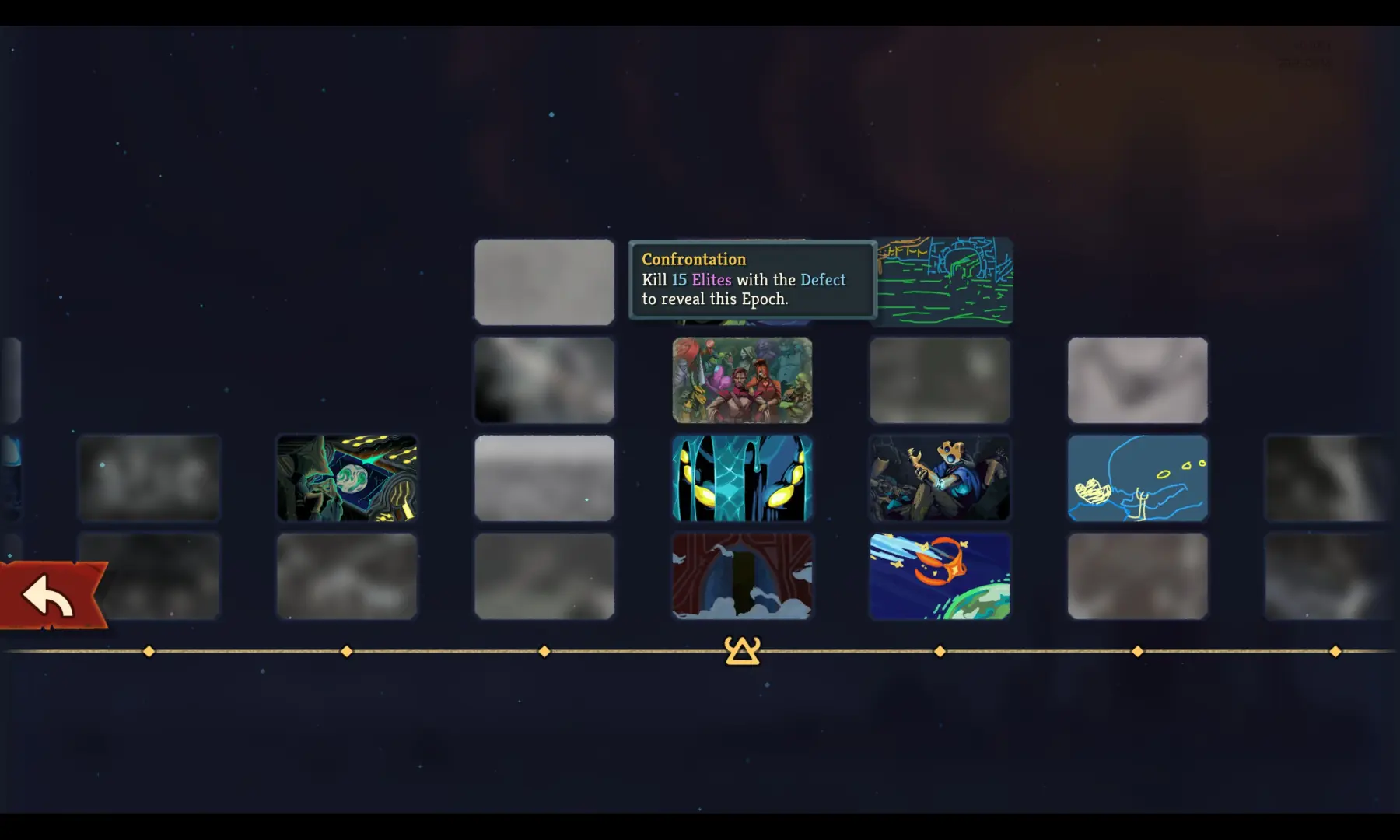

Secondly, it adds a new dimension of colour to the usual unlocking of new cards, relics and characters. Not only can I always see how much more there still is to discover about the world, but it’s visually and narratively much more striking than it used to be to discover it.
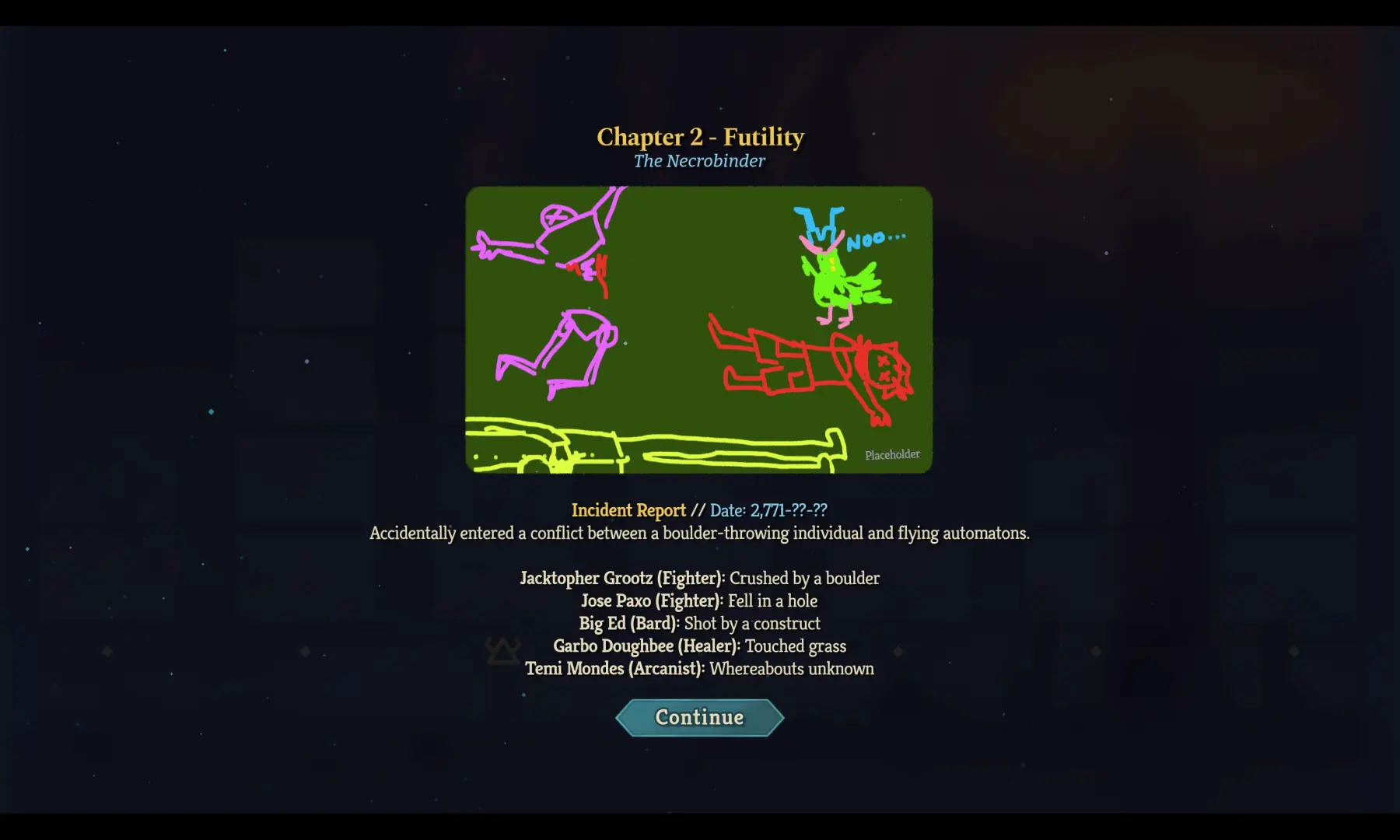
I should note here that many epochs still contain placeholder thumbnails for their artwork, which is just one of those Early Access things to accept about an otherwise super-polished game. That said, I don’t mind at all, because they’re endearing and make me laugh.
Overall, I like the new direction the creators have taken by building on the narrative aspect of the game. I don’t even mind the overly wordy text boxes anymore — although they were jarring at first, I think they actually suit the new storytelling-heavy vibes really well.
Verdict: Honours the old and nails the new
What still needs fixing? Not very much, I’m amazed to say. I’m super impressed by how well put together this game is for Early Access, at least in single player mode — though I did experience my only crash while trying to simply look at multiplayer-specific cards in the Compendium. For a solo player, I can say with confidence that it already provides a smooth and fun gameplay experience.
I could still get behind the reworking of some cards and mechanics, particularly those of the Regent, but I’m glad I gave him a chance to prove his worth as a player character. While I miss the Merchant’s chronic yapping, I’m still happy to see him. And so far, just about every major change StS2 has made to the original game has been a good one, adding new elements to a tried-and-true formula and listening closely to player feedback.
As I mentioned in the previous part of this review, I was completely new to deckbuilders before the Spire duology. I can now confidently recommend either of these games as a first deckbuilder for anyone who wants to give them a try. And if you already like them? I promise you’re in for a treat.
Nazish Talati is a sub-editor on Dawn’s online news desk with a year of experience in communications and teaching. Her work focuses on global culture and entertainment news, particularly Japanese culture. She also reviews video games for the publication.