From qualifying without conceding a single goal to total collapse: Tunisia's FIFA World Cup nightmare
A team that qualified without conceding a single goal. Nine wins in ten matches. Thirteen points clear of second place.
That same team arrived at the World Cup and conceded 12 goals in three matches. They conceded within the first seven minutes of every single game. They scored two own goals. They sacked their manager after one match.
This is the story of Tunisia’s spectacular collapse — a collapse that was, in many ways, written before the tournament even began.
Tunisia made easy work of qualifying, becoming the first team in history to reach a World Cup without conceding a goal. Placed in Group ‘H’ alongside Namibia, Liberia, Malawi, Equatorial Guinea and Sao Tome and Principe, their only setback was a goalless draw against Namibia. They finished 13 points clear of second place.
But even then, there were warning signs. Despite scoring 22 goals in qualifying, Tunisia lacked a genuine goalscorer. The team’s top scorer in the squad was Ali Abdi — a veteran defender with eight goals. The qualifying campaign had been a false dawn, masking a problem that would be exposed on the biggest stage.
A coach under pressure from the start
The man who oversaw qualifying, Sami Trabelsi, was dismissed in January after a disappointing 2025 Africa Cup of Nations. His replacement, Sabri Lamouchi, was tasked with leading Tunisia at the World Cup.
Lamouchi’s appointment was not met with universal approval. Some fans questioned his attachment to Tunisia, pointing out that the former midfielder, despite being of Tunisian descent, had opted to represent France during his playing career.
“I can accept many things, but I do not accept that my love for Tunisia or the respect I deserve as a man be called into question,” Lamouchi said at his introductory press conference.
He also made surprise selections, dropping Mohamed Ali Ben Romdhane — who had scored four goals in qualifying — in favour of Rani Khedira, who would make his first official competitive appearance for Tunisia at the World Cup at age 32.
Mejbri’s warning
Midfielder Hannibal Mejbri, who would later provide an assist against the Netherlands, had warned of this moment years earlier. After the 2025 Africa Cup of Nations, he called for a “complete overhaul” of Tunisian football.
“We are behind in our football, and it needs to be said. We are lagging in so many areas,” Mejbri said. “All the people responsible for Tunisian football need to sit down together and ask the real questions.”
His words foreshadowed what was to come.
The collapse
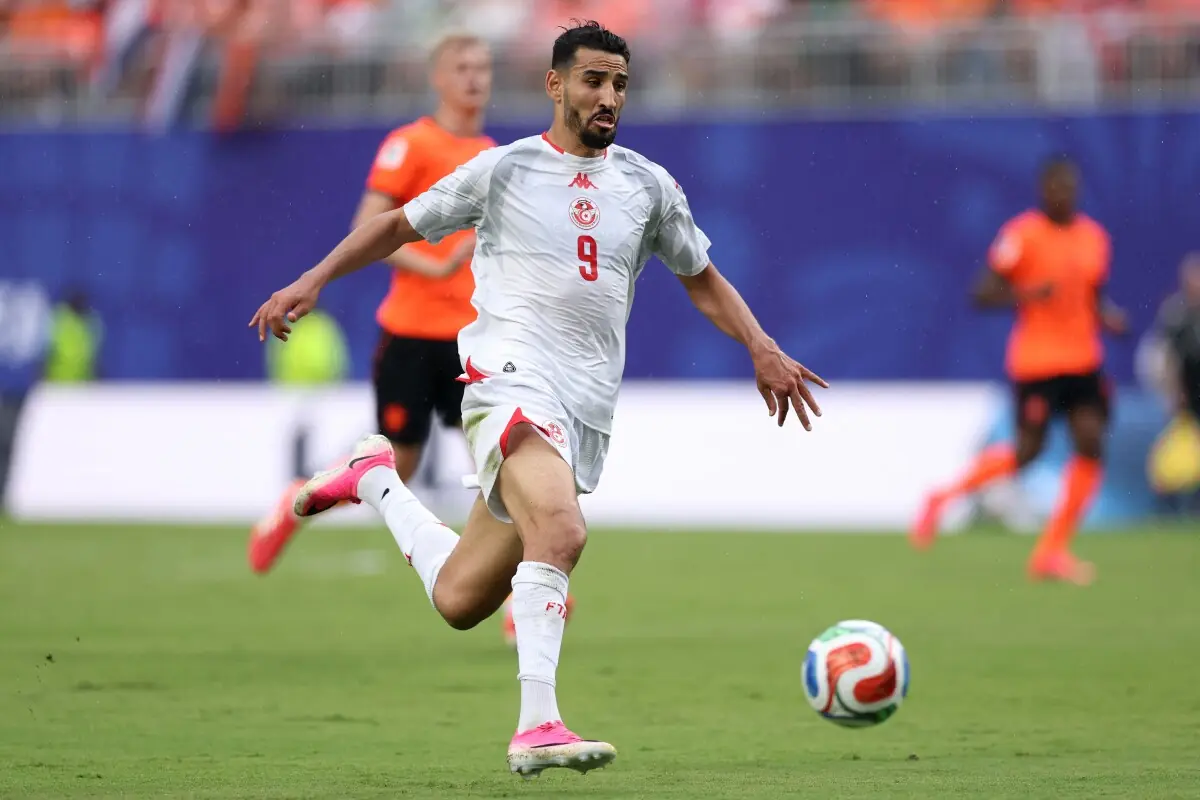
Tunisia’s World Cup campaign began with a 5-1 defeat to Sweden. They conceded in the opening minutes. Lamouchi was sacked — the first manager in World Cup history to be fired after a single game, and the quickest sacking in tournament history.
Remarkably, it wasn’t Tunisia’s first time setting this kind of record. In 1998, they sacked Henryk Kasperczak after two matches. Twenty-eight years later, they’ve outdone themselves.
In Lamouchi’s place came Herve Renard, the celebrated coach who had orchestrated Saudi Arabia’s shock win over Argentina in 2022. He was supposed to be the fixer. Instead, he walked into a burning building.
Renard knew what he was walking into.
“Rather than stay on my couch, watching this amazing event from very far away, I thought, ‘Well, you know, I’ve got nothing to lose,’” he said after the Netherlands defeat.
He also spoke about the mental toll on his players.
“We have the feeling that football is easy when you’re a player. But when you’re in this type of psychological situation, it’s not easy to tackle the last months, especially when it’s against a very strong team in an amazing stadium.”
After the campaign, he delivered a blunt verdict: “We were not at the level for this World Cup. This is clear. There is no discussion.”
Veteran defender Ali Abdi, the team’s top scorer coming into the tournament, was visibly emotional after the Japan defeat. He placed the blame squarely on the Tunisian Football Federation.
“We didn’t have time to work as a team,” Abdi said. “Instead of fixing the flaws, we tore everything down and rebuilt every time. We’re coming to play at a World Cup with players who have never played together.
“If you look at the Japanese players, it’s the same team from 2022. Meanwhile, we change the team every tournament. You can’t build like that.”
A campaign in shambles
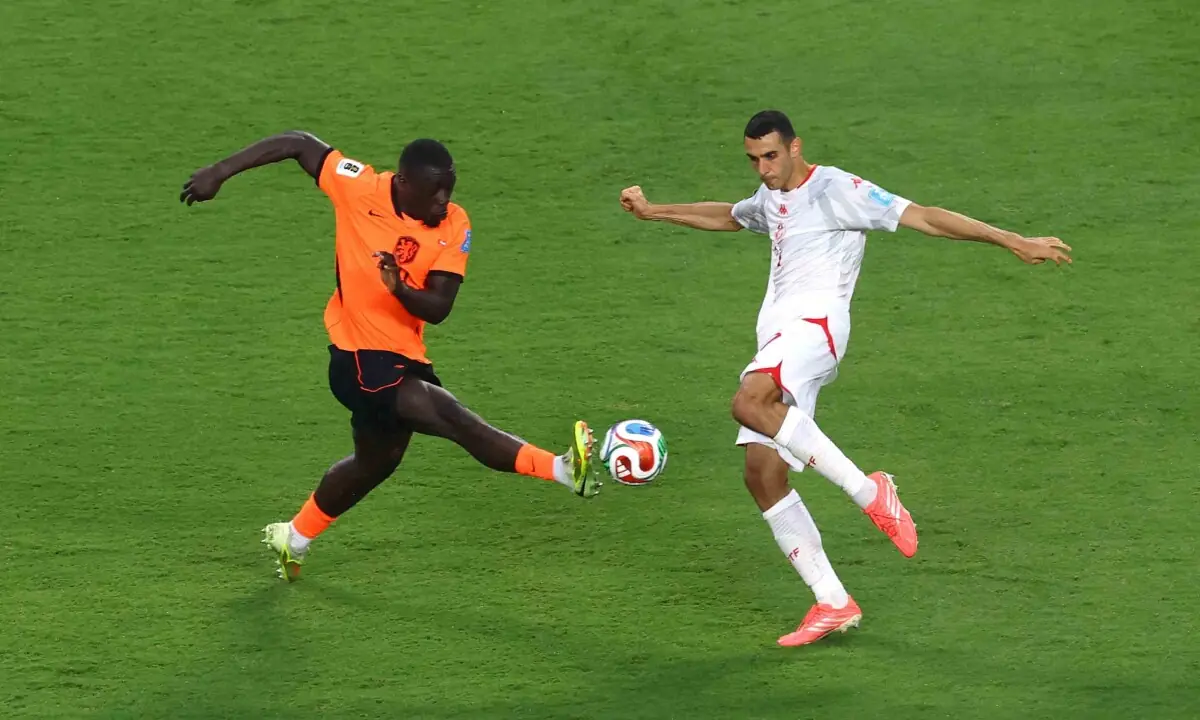
Tunisia’s two World Cup goals came from Omar Rekik against Sweden and a header from a Mejbri corner against the Netherlands. But they also scored twice for their opponents — own goals that summed up their defensive disarray.
The player-late incident against the Netherlands was the final indignity. In the 46th minute, the referee blew her whistle to start the second half. The Dutch were ready. Tunisia had only ten men on the pitch. One of their players was still in the tunnel.
Netherlands coach Ronald Koeman was furious. BBC commentator Steve Wilson was left baffled.
“We have to pause, Tunisia are a man light,” Wilson said. “The Tunisia player at the back was desperately trying to draw the referee’s attention to the fact that they only have 10 players out there.”
It was the perfect summary of a campaign that had descended into farce.
Renard, in his post-tournament comments, pointed to the need for systemic change.
“The Tunisian Football Federation needs to sit down and analyze everything,” he said. “It’s not just about the coach.”
But the damage was done. A World Cup campaign that began with hope ended with a player sprinting from the dressing room to join his teammates — late, embarrassed, and emblematic of a team that had lost its way long before the first whistle.
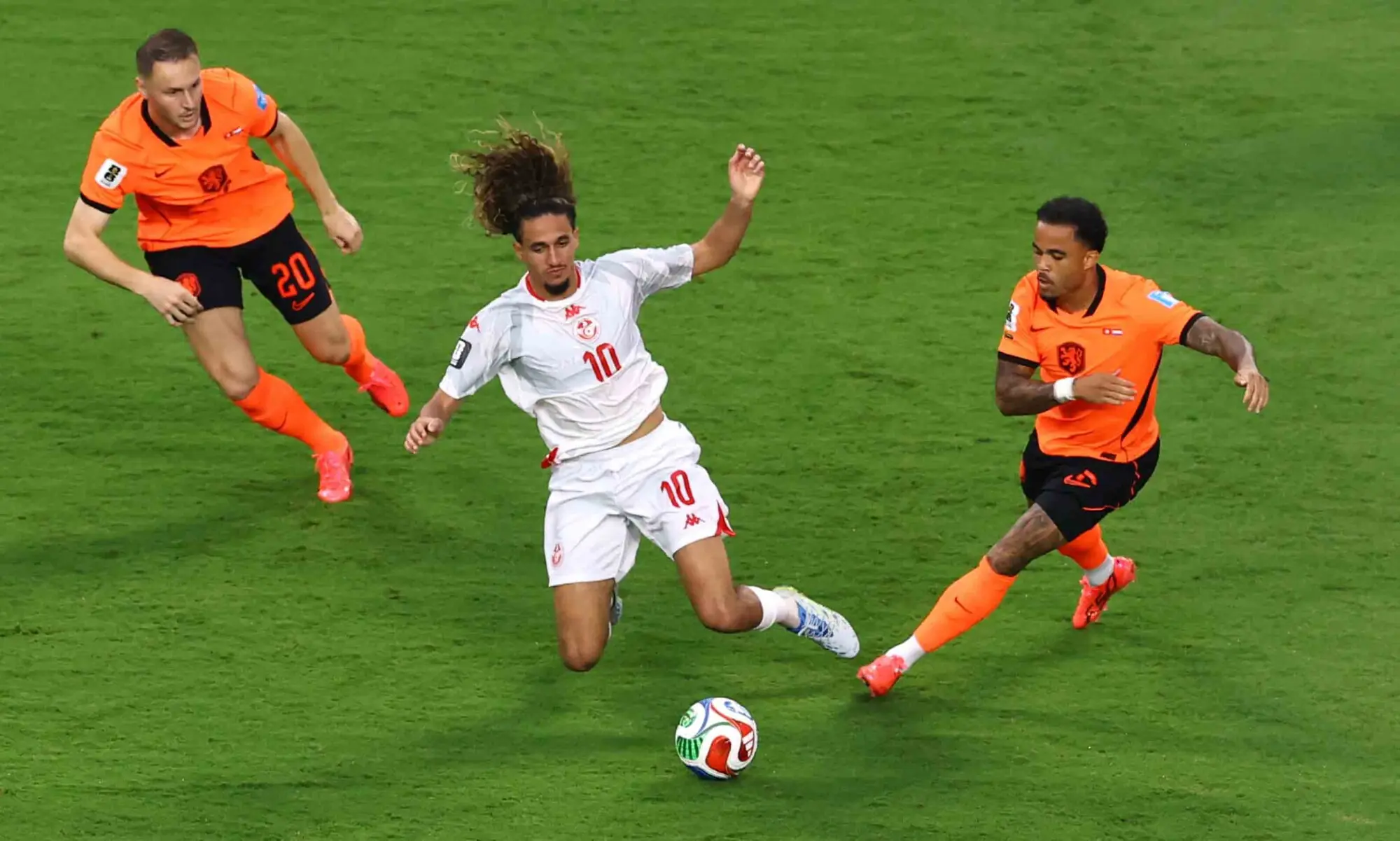
Header image: Tunisia’s Hannibal Mejbri in action with Netherlands’ Teun Koopmeiners and Justin Kluivert during the FIFA World Cup 2026 Group F match between Tunisia and Netherlands at Kansas City Stadium on June 25, 2026 in Kansas City, Missouri. — Reuters
Ahmed Ali is a Karachi-based sports reporter for Dawn with nearly four years of experience. He covers a diverse range of Olympic and non-Olympic sports. His work encompasses both live match reporting and in-depth features.