Booed in Santa Fe, adored at the Monumental: Messi’s long wait for love at home
The last time Lionel Messi lost a World Cup final, Argentina wanted answers. This time, Argentina just wanted him to stay.
Spain had won the 2026 World Cup. Messi, at 39, had scored eight goals and provided four assists during the tournament.
He had taken Argentina to another final, 12 years after the one that had nearly broken him. And when it was over, there was nothing left to win, nothing left to prove, and very little left of the career that had occupied almost his entire adult life.
It should have been a devastating farewell, and in some ways it was.
Footballers do not spend their lives pursuing World Cups to discover at the final whistle that winning was never important. But Argentina’s reaction was different.
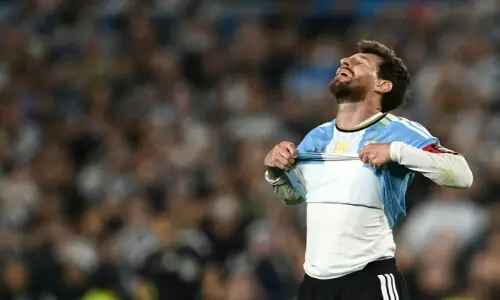
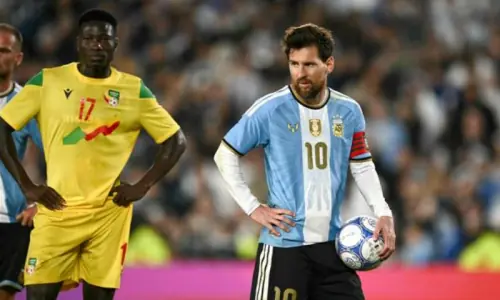
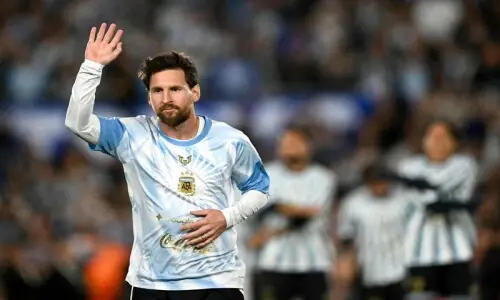
When Messi returned for his October farewell, the Monumental Stadium was filled with people who had once wondered whether he really loved their country. Now they were pleading with him not to leave it.
I should be honest about where I’m writing this from. I have been a Real Madrid fan all my life, which means Lionel Messi broke my heart more times than I can count.
Every El Clásico, every Champions League night when he decided to be the best player on the pitch, I wanted to hate him. I tried. It never worked.
You cannot truly love football and sit through Messi without recognising what you’re watching, and I sat through a great deal of Messi.
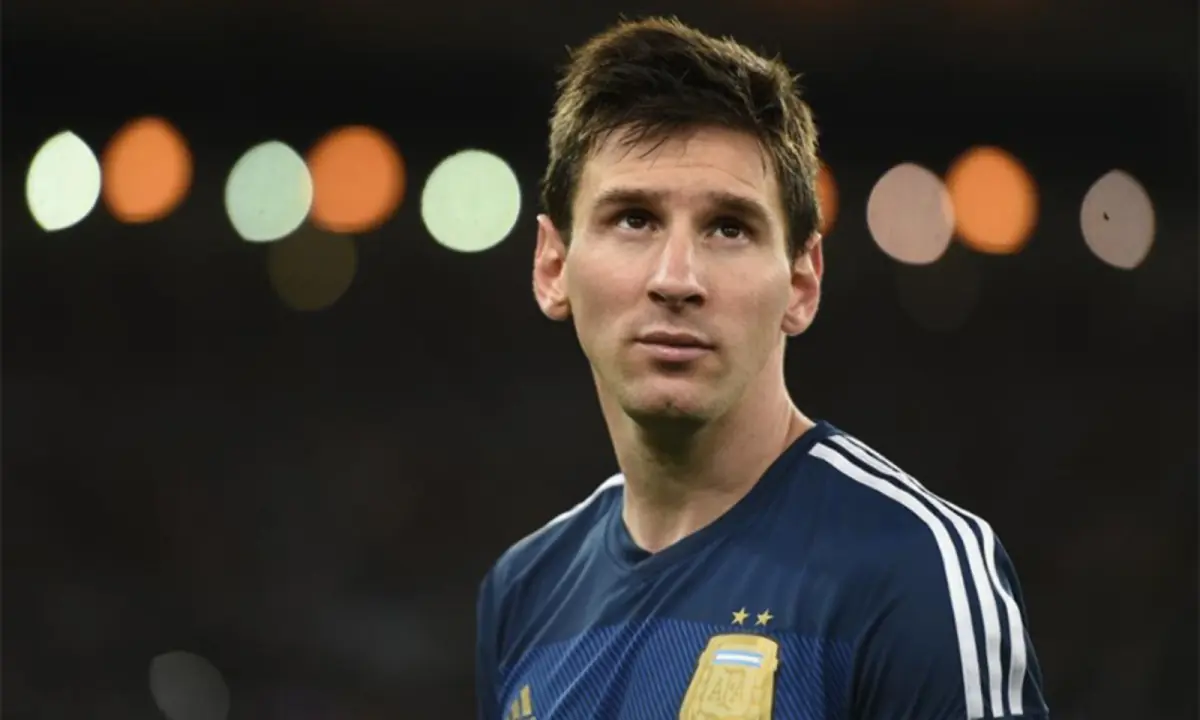
I thought of Rio de Janeiro, 2014, Messi walking past the World Cup trophy after losing to Germany is one of football’s most recognisable photographs, although I have always found it rather difficult to look at.
He had just been awarded the Golden Ball, the tournament’s best player, and he looked like a man who would happily have thrown it into the Atlantic.
Germany had won, Argentina had lost, and Messi, who had done more than anyone to get them there, was left standing beside the one thing he couldn’t have. He was 27.
I remember the criticism afterwards. Some of it was tactical, much of it was ridiculous, and a fair amount revolved around the familiar question of why he couldn’t do for Argentina what he did for Barcelona.
I understood the frustration. I never understood why it was always Messi who had to answer for it.
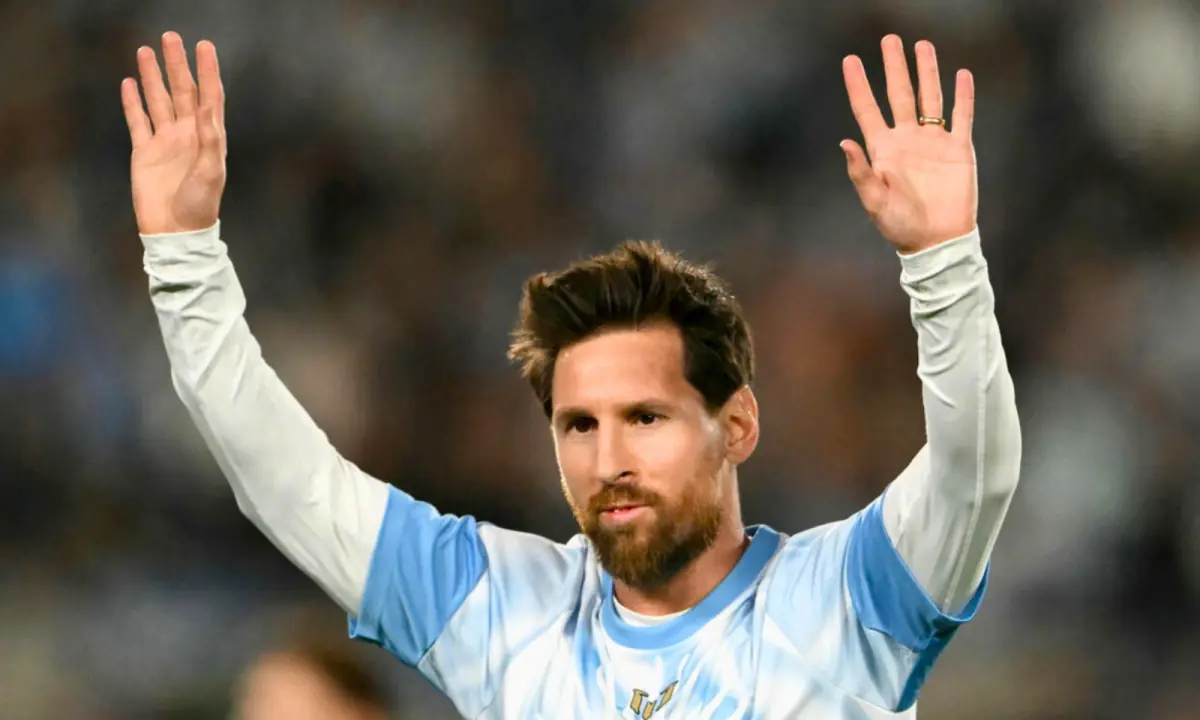
Barcelona had Xavi and Iniesta. Argentina, at various points, had managers who appeared to regard midfield organisation as an optional extra, yet the expectation was that Messi would somehow reproduce the same football. And behind every discussion, however sophisticated it pretended to be, stood Diego Armando Maradona.
There are few things more unfortunate for a young footballer than being compared to Maradona. Being Argentine and genuinely good enough to invite the comparison must be worse.
Maradona was not simply Argentina’s greatest footballer. For a generation, he was Argentina.
Correcting every injustice
To understand the affection, you have to go further back than Mexico in 1986. Argentina had spent much of the 20th century struggling with its own identity.
A country that had once enjoyed extraordinary prosperity had been through military coups, political instability, economic crises and an increasingly bitter struggle over what it was supposed to represent.
The military dictatorship that seized power in 1976 presided over one of the darkest periods in the country’s history.
Thousands disappeared — families were destroyed — and the 1978 World Cup, won on home soil, became part of the junta’s attempt to manufacture an image of national happiness.
Then came the Falklands War in 1982. Argentina lost to Britain, the dictatorship collapsed the following year, and the country was left to come to terms with military defeat, political trauma and the return of democracy.
And then came Maradona, a boy from Villa Fiorito, raised in poverty, with a left foot that seemed capable of correcting every injustice ever inflicted upon him.
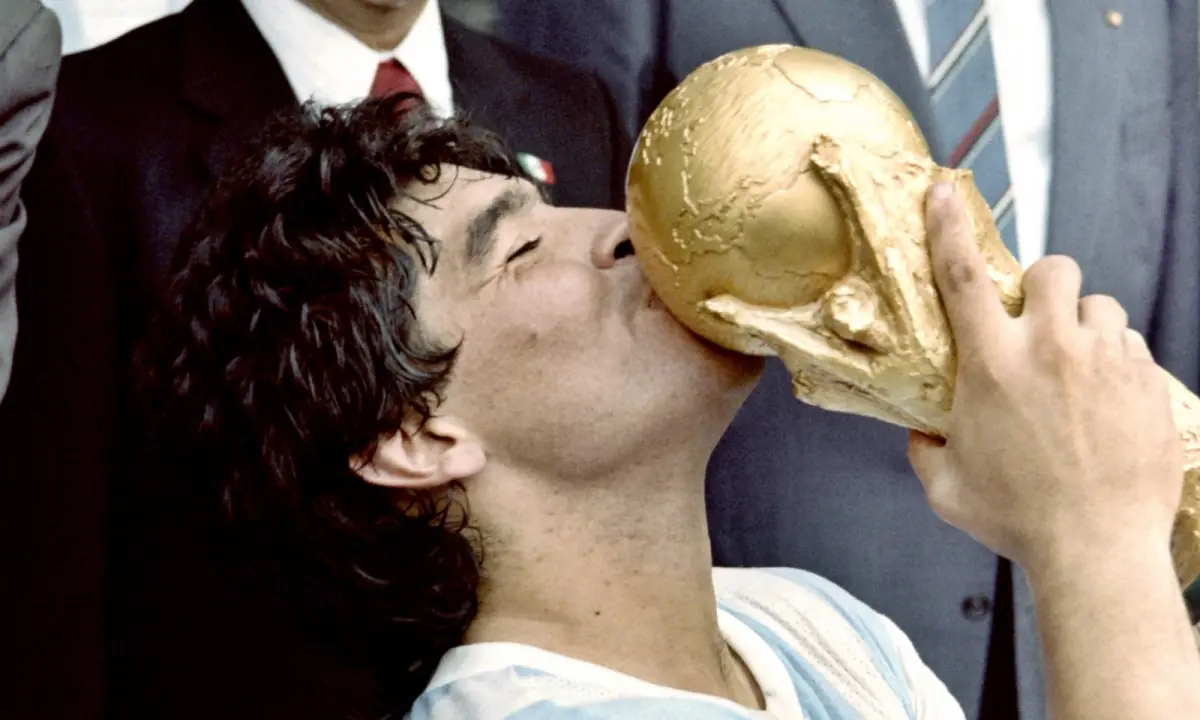
Against England in 1986, he scored with his hand and then produced a goal of such extraordinary beauty that the first almost became irrelevant.
Almost.
The Hand of God was celebrated as enthusiastically as the second goal, perhaps more so in some quarters. It was mischievous, defiant, and aimed at an opponent that had defeated Argentina in war just four years earlier. For millions of Argentines, the victory was personal.
This was not a relationship built on football alone. Maradona’s upbringing, his politics, his language, his willingness to fight anyone and everyone, even his self-destructive tendencies, made him familiar to people who had very little in common with his talent.
Messi never stood a chance of being loved in quite the same way.
He had left Rosario at 13 and grown up in Barcelona. He could play like Diego, sometimes even better, but he was quiet, painfully shy in interviews, and had none of Maradona’s appetite for confrontation.
There was another part of Messi’s story that should have made him easier for Argentines to understand: his family had left the country looking for a better future.
In 2000, Argentina was heading towards one of the worst economic catastrophes in its modern history.
The recession was already damaging livelihoods, and by the end of 2001 the financial system had collapsed, savings were trapped, unemployment was devastating families, and the country was moving through presidents at a rate that would have been comical had the circumstances not been so desperate.
Millions of Argentines knew what it meant to consider leaving home.
The Messi family found an opportunity in Spain, where Barcelona could support Lionel’s footballing development and growth hormone treatment. His father had worked in the steel industry.
Yet the fact that Messi had grown up in Barcelona became a source of suspicion. He had never played senior club football in Argentina. He did not have the familiar story of emerging through Boca Juniors or River Plate, of being loved on Argentine terraces before Europe came calling.
For most Argentines, the first Messi they knew was already Barcelona’s Messi, and Barcelona’s Messi was astonishing.
The scoreline hurt, but what stung more was catching yourself, mid-heartbreak, admiring the dribble that had just done the damage.
I sometimes wonder whether the problem was that he made football look too easy.
At his peak, he could receive the ball surrounded by defenders, change direction twice, accelerate through a gap that barely existed, and finish before the goalkeeper had understood what was happening. He did it so often that people stopped appreciating the difficulty.
At Barcelona, his brilliance became routine, and Argentina watched those performances and expected the same miracles whenever he wore the national shirt. If they didn’t arrive, people looked first at Messi.
I know how easy he made it look because I spent years on the receiving end.
The scoreline hurt, but what stung more was catching yourself, mid-heartbreak, admiring the dribble that had just done the damage.
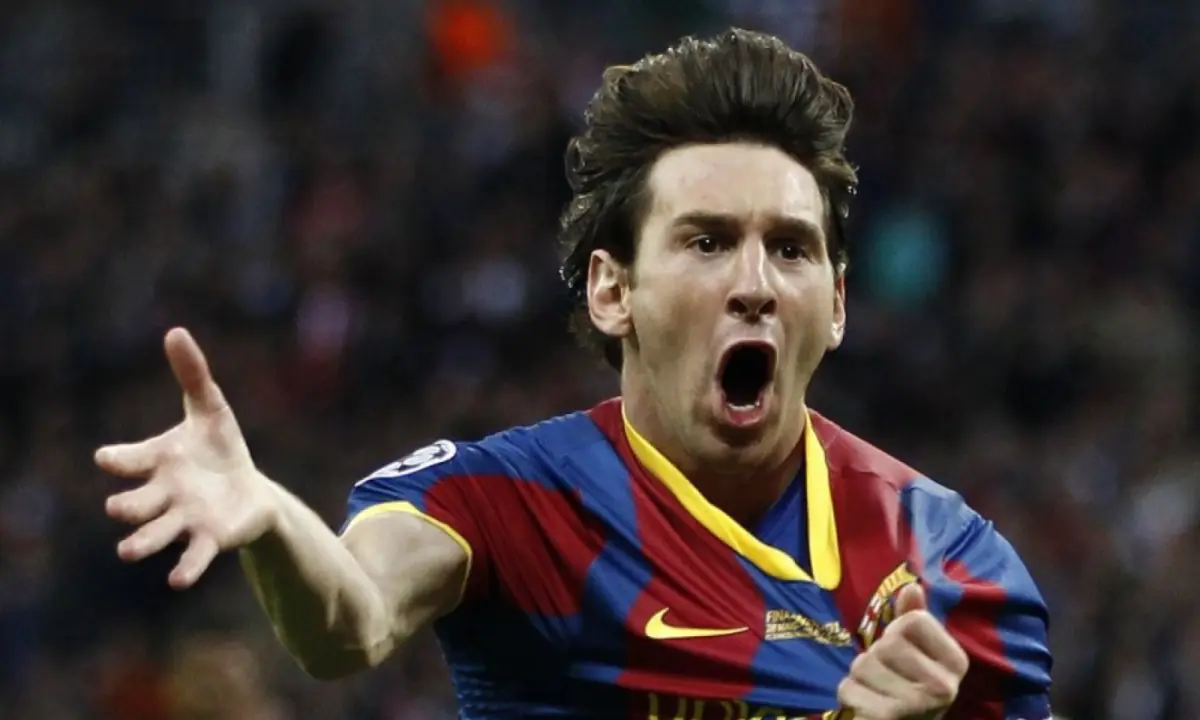
When he held his shirt up to the Bernabéu after that late winner in 2017, I wasn’t surprised.
Of course, it was inevitable. Of course, it was Messi. Two teams full of the world’s biggest stars, and in that moment, it could only ever be him. Which is why the Argentine suspicion baffled me.
Those of us who spent years searching for a flaw in him never once found his commitment among the candidates.
Messi’s failure
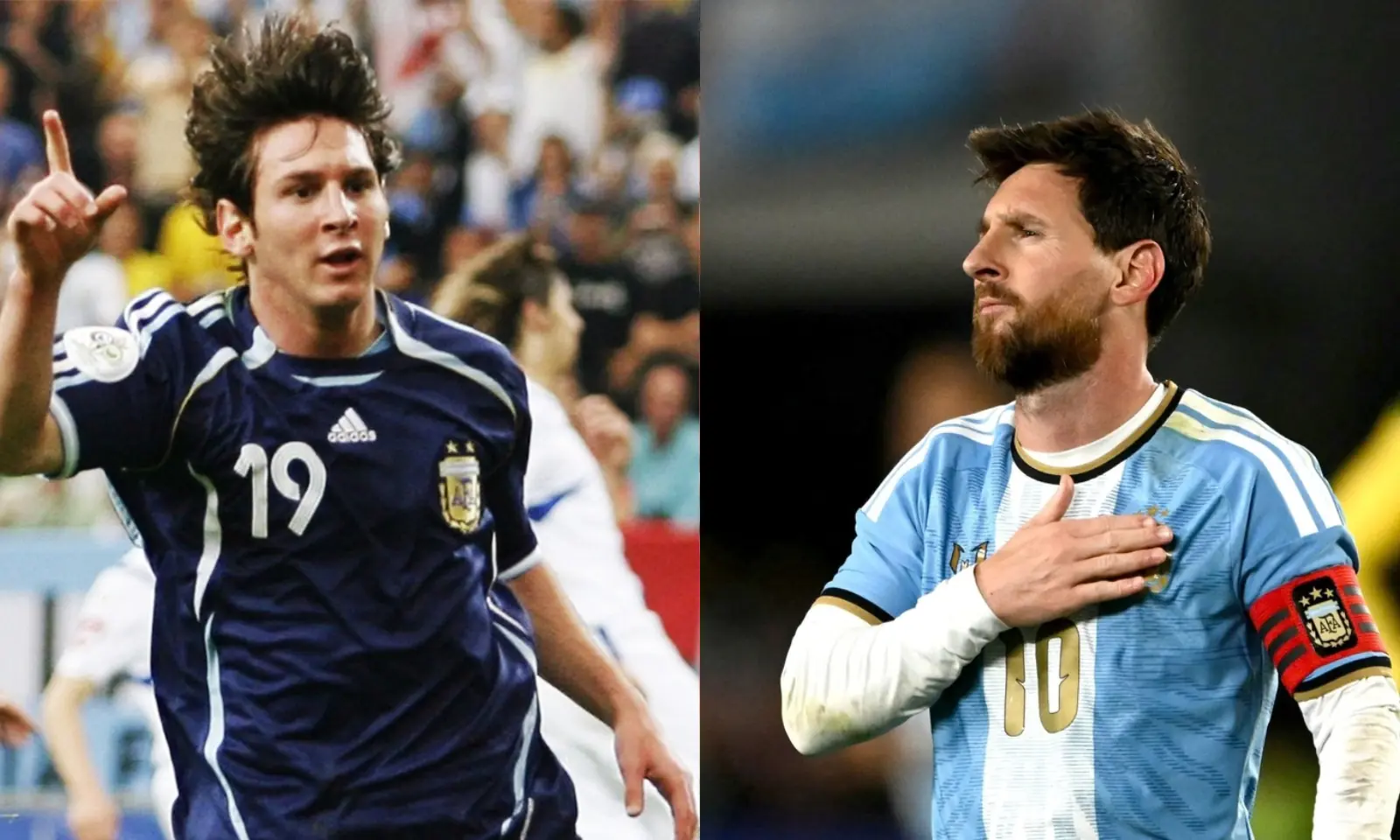
In 2011, at the Copa América, he was booed by his own supporters after Argentina drew with Colombia in Santa Fe. He was 24, the best footballer in the world, playing in his own country and hearing his own people whistle at him.
There were questions about why he didn’t sing the anthem, whether he felt Argentine enough, whether his heart belonged to Barcelona. I have never understood how people can watch a footballer closely enough to judge every pass he makes and still fail to recognise the human being playing them.
Messi was not particularly demonstrative, and he didn’t need to be. The suggestion that he cared less because he expressed himself differently from Maradona always struck me as an extraordinarily lazy way of looking at football.
But it persisted, through the World Cup in 2014 and the Copa América finals of 2015 and 2016, through years in which Argentina’s inability to win a major trophy was discussed almost exclusively as Messi’s failure.
By the time he sent his penalty over the crossbar against Chile in the 2016 final, it had become unbearable. He announced his international retirement. That made four lost senior finals, three of them in successive years. He was crying afterwards, and I remember thinking that Argentina had somehow managed to make Messi feel like a failure.
What an achievement.
Of course, he came back. That decision is worth remembering because it was made before any of the redemption that followed.
There was no guarantee of a Copa América, no World Cup waiting around the corner, no reason to believe the next few years would be any kinder. He returned to the same expectations, the same arguments, and a national team that was still struggling to work out how to use him.
Then came Jorge Sampaoli, and the less said about Argentina’s 2018 World Cup, the kinder one is being to everyone involved.
Sampaoli arrived with an impressive reputation. He had won the Copa América with Chile and built teams known for their intensity and tactical organisation.
Whatever he was attempting in Russia, very little of it survived contact with an actual football match. Argentina drew with Iceland, were dismantled by Croatia, escaped against Nigeria and lost to France in the round-of-16.
The 3–0 defeat against Croatia was particularly painful, not simply because Argentina lost but because they looked utterly incapable of controlling what was happening to them.
Messi was supposed to be the solution to every problem. He had to create chances, score goals, connect the midfield, and somehow make a dysfunctional team look coherent.
There was even controversy over whether Sampaoli had asked Messi’s permission to make a substitution against Nigeria. Sampaoli denied it, but by then the situation had become absurd enough for people to believe it.
Argentina had the greatest footballer of his generation and appeared to have no idea what to do with him.
He left Russia at 31, and for the first time I genuinely wondered whether he would ever win anything with Argentina.
The other Lionel
The appointment of Lionel Scaloni did not inspire much confidence at first. He was inexperienced, initially an interim solution, and hardly the glamorous name people expected to take charge of Messi’s remaining international years.
Perhaps that helped. Scaloni built a football team. It sounds painfully obvious, but Argentina had spent so many years building their identity around one player that the distinction mattered.
Rodrigo De Paul brought energy and aggression. Leandro Paredes provided control. Di María remained capable of deciding the biggest matches. Later, Julián Álvarez, Enzo Fernández, Alexis Mac Allister and others gave Argentina the legs and balance that Messi, now in his thirties, needed around him.
They played alongside him, and gradually Argentina became something Messi had rarely enjoyed at international level: a team that could function without requiring him to be extraordinary every few minutes.
In 2021, they beat Brazil at the Maracanã to win the Copa América. I remember the final whistle more than the goal. Messi dropped to the grass, his team-mates rushed towards him, and they piled on top of him, embraced him, shouted, laughed. They had just won their first major senior international trophy together, but their first instinct was to find Messi.
It was a beautiful moment, partly because it was so spontaneous. These were men who knew what he had endured. Some had grown up watching him lose finals, and they knew the criticism, the retirement, the years when every Argentine disappointment became another argument against him.
¿Qué mirás, bobo? (What are you looking at, fool?)
I have often thought that the 2021 Copa América mattered more to Messi emotionally than people realise. Qatar was the ultimate achievement, of course, but Brazil was where the weight first came off. He had finally won something with Argentina.
Qatar in 2022 felt different from the beginning, even after the defeat to Saudi Arabia. Messi was 35, playing what everyone assumed would be his final World Cup.
He no longer had the acceleration that once made defenders look foolish, and he walked through long stretches of matches, conserving energy and waiting for the moment he could make the difference. But he could still do things nobody else could.
The pass against the Netherlands to Nahuel Molina remains one of my favourite Messi moments. There was no obvious opening and the defenders were positioned reasonably well, then Messi played a ball through a space that, until he saw it, might as well not have existed.
Something else had changed. He was angry. It came in flashes, and he had stopped hiding it. He argued with opponents, confronted referees, and celebrated with an edge that had not always been visible in his younger years. After the Netherlands match, his exchange with Wout Weghorst became an instant favourite in Argentina.
¿Qué mirás, bobo? (What are you looking at, fool?)
Argentina adored it. The same country that had once complained that Messi did not behave enough like Maradona was now delighted to discover that he could be unpleasant when he wanted to be. I found that rather funny.
Then came France, and I don’t think I have ever watched a World Cup final quite like it. Argentina were brilliant for 80 minutes.
They controlled the midfield, pressed intelligently, moved the ball with purpose, and looked capable of winning comfortably. Messi scored, Di María scored, then Mbappé scored twice, and a match that had seemed finished became something else entirely.
Messi scored again in extra time, and Mbappé equalised again. With almost the last kick of the match, Emiliano Martínez saved a goal-bound effort from Randal Kolo Muani.
I still think about that save. If Martínez’s leg had been a few inches to the left, everything we now say about Messi’s international career might have been different.
Argentina would have lost another final, Messi would have been praised for his tournament, and there would have been those who returned to the familiar arguments: Maradona won in 1986, Messi couldn’t win in 2022.
But Argentina won the shootout, and Messi finally held the World Cup. Millions filled the streets of Buenos Aires, and the city celebrated for days. Messi was theirs now.
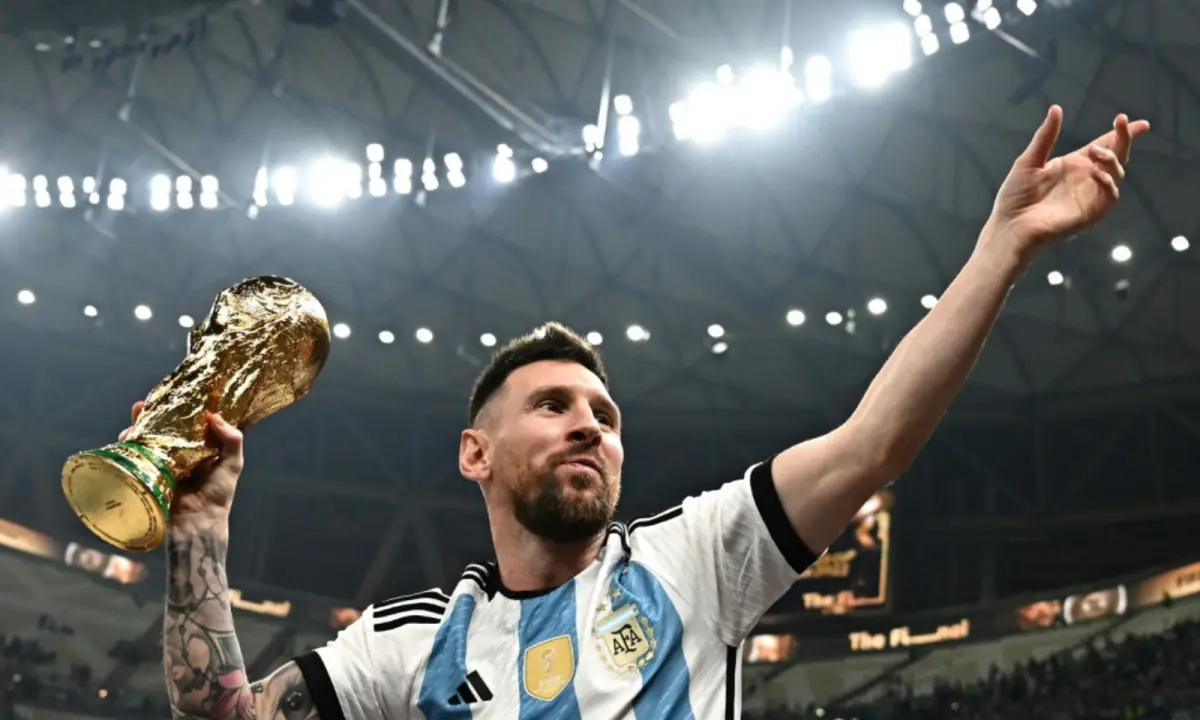
Change in relationship
The moment that best captures the change in Argentina’s relationship with him came two years later, in the 2024 Copa América final against Colombia. Messi was injured. He had to leave the field and sat on the bench crying, his ankle swollen, his tournament over.
For most of his career, that would have been a national catastrophe. Argentina losing Messi in a final would have been enough to send an entire country into despair. Instead, Lautaro Martínez scored in extra time and Argentina won. Argentina had won a final with Messi crying on the bench.
I liked that. He had spent so many years carrying the burden of Argentina’s failures that watching his team-mates win a final while he sat helplessly on the bench felt almost like a correction of some old injustice. He was still their captain and still their greatest player, the man around whom so much of their football revolved.
Which is why the ending in 2026 felt so different. Messi lost another World Cup final, and the country was disappointed, naturally. Argentina does not reach World Cup finals with the intention of celebrating second place. But the defeat did not reopen the old wounds.
They had wanted another Maradona. It took them years to appreciate that they already had Messi, and by the time they had learned to love him for who he was, there was very little time left.
Nobody needed to ask whether Messi loved Argentina, and nobody needed another comparison with Maradona. The country had finally made peace with the fact that Messi was not Diego, and perhaps Messi had made peace with it too.
Maradona stayed recognisably Argentine even after conquering the world. Messi left at 13, became the world’s greatest footballer elsewhere, and spent much of his career trying to convince the country he had left that he still belonged to it.
One thing I would add as an outsider: you do not have to admire Argentina’s current government, or agree with a single one of its policies, to appreciate Messi. Those are separate questions. But people like to say sport and politics should never be mixed, and the history in this very article suggests that is easier said than done.
The junta used the 1978 World Cup to advertise a happiness the country did not feel, and Maradona’s goals against England were never only goals. Whenever a footballer pulls on a national shirt, someone will try to read the country into him.
Whether we can enjoy the genius without carrying the flag is a question I haven’t settled, and I suspect most of us haven’t.
That, to me, is the tragedy of Messi’s international career. Argentina spent much of his prime asking him to be somebody else. The man who had been adored in Barcelona had to wait until his thirties for anything similar at home.
Even after Qatar, when he could have walked away with the perfect ending, he kept playing for Argentina. The country he had left as a boy was, apparently, still the one he wanted to play for.
If you love football, you cannot hate watching Messi. I tried for years from the wrong end of the Clásico, and it never held. Argentina took longer to learn what I had been forced to accept from the other side: the only sensible response to him was gratitude.
They had wanted another Maradona. It took them years to appreciate that they already had Messi, and by the time they had learned to love him for who he was, there was very little time left.
Rehan Ulhaq is the COO of Islamabad United, a sports management professional, analyst and writer. He has covered four FIFA World Cups as a national broadcaster and contributed to ESPN and several leading national and international publications.