War Diary Day 20: Energy war pushes region to the brink
On the 20th day of the US-Israel war against Iran, the conflict stood on the threshold of an all-out regional war, with strikes on energy infrastructure now defining its deadly trajectory while diplomatic efforts struggled to keep pace.
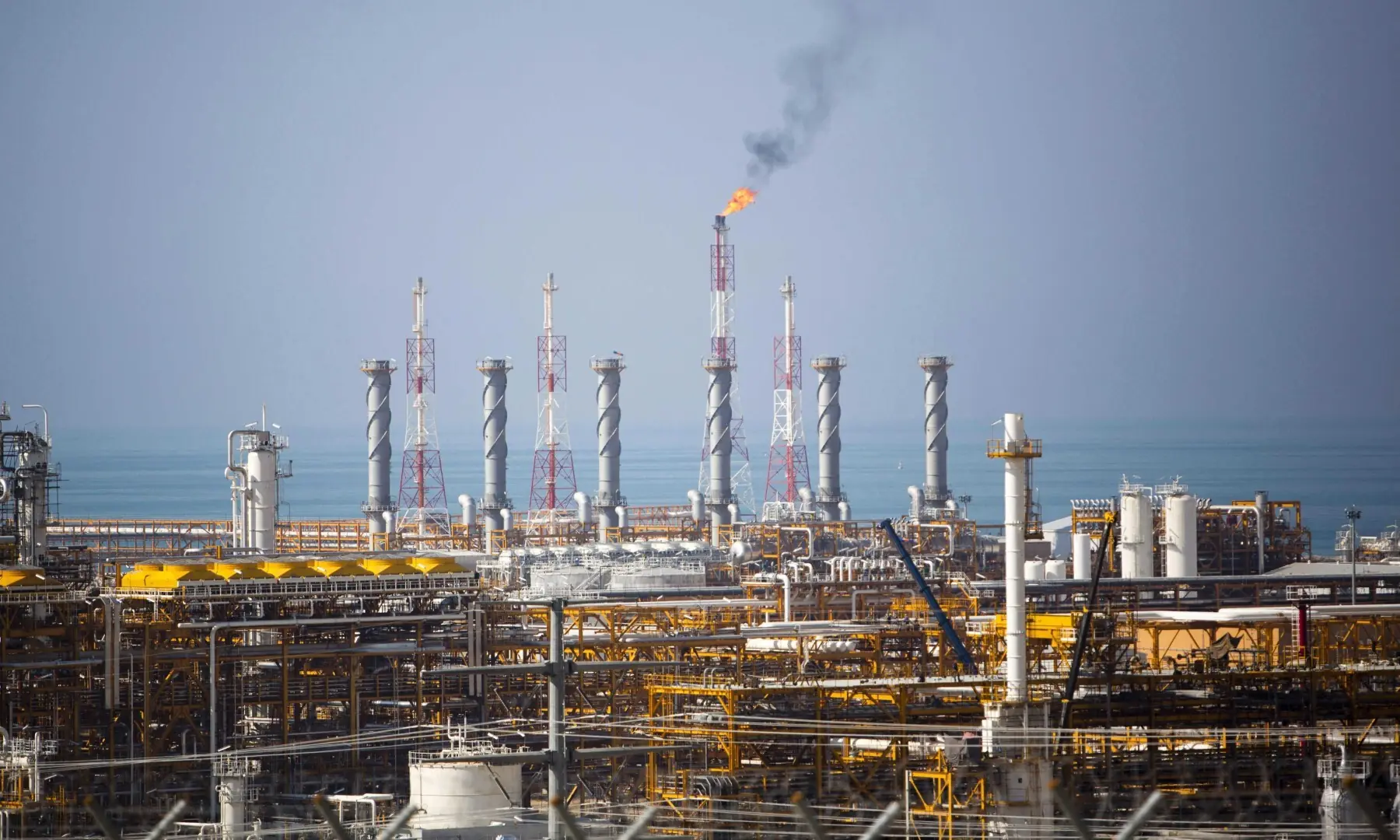
The past 24 hours indicated a clear shift from a primarily military contest to one increasingly centred on economic targets. Israeli strikes on Iranian energy assets, particularly gas processing facilities linked to the South Pars field, represented an expansion of the battlefield. Though Iranian oil depots had previously been attacked by Israel and Iran had in response struck an Israeli refinery in Haifa, the scale, symbolism and strategic intent behind Israel’s South Pars operation triggered an immediate and far broader Iranian retaliation, with ballistic missile and drone strikes that set Qatar’s Ras Laffan LNG hub ablaze, damaged Kuwait’s major refineries and hit Saudi and Bahraini energy sites. With this threshold now crossed, the conflict is now set to move into a sustained campaign against the region’s energy backbone.
Each strike in this dangerous new phase will invite reciprocal economic pain, as it has already driven oil above $113 per barrel and increased European gas prices by 27–30 per cent. More importantly, this phase could drag reluctant Gulf states deeper into the fighting, thus widening the conflict horizontally while simultaneously amplifying pressure on global energy markets.
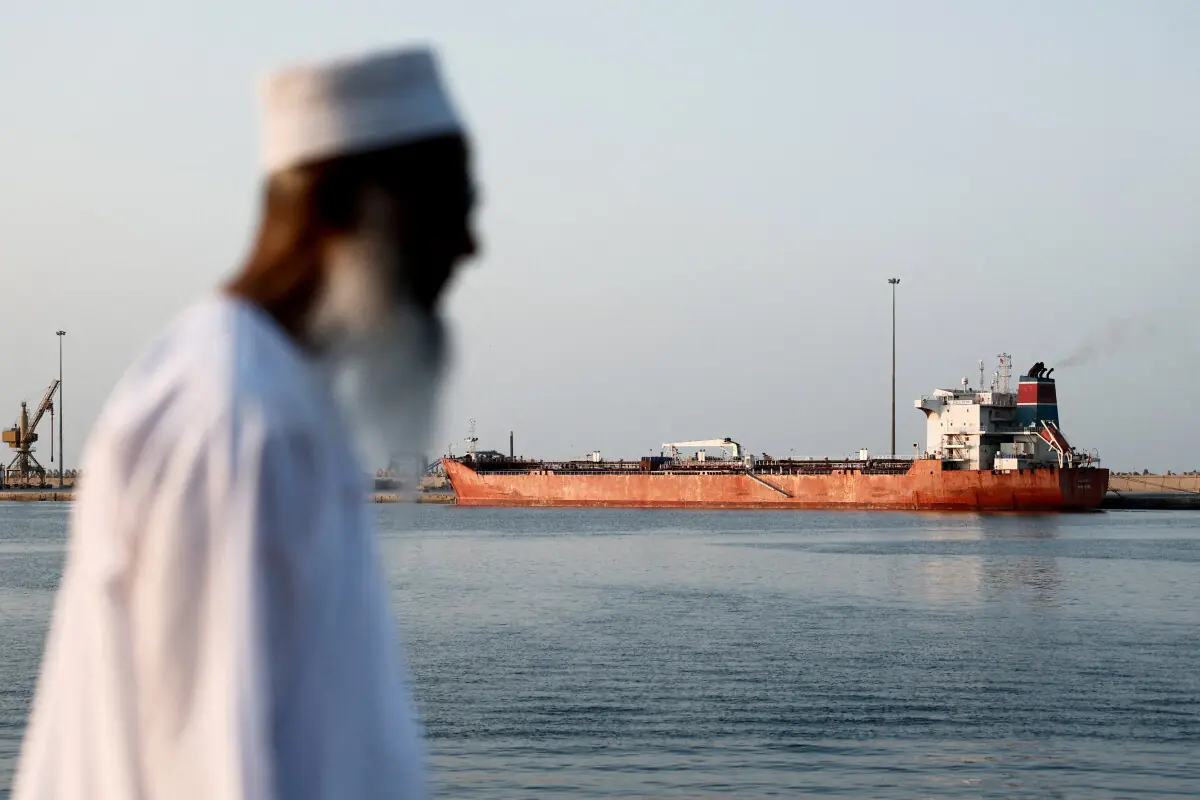
At the same time, the Strait of Hormuz remains central to this evolving phase. Iran has continued to exercise calibrated control, allowing limited passage under its own terms while restricting traffic linked to its adversaries. This selective closure allows Tehran to sustain pressure without triggering a complete shutdown that could provoke a broader international response. However, with energy infrastructure now under wider attack, the feasibility of continuing this calibrated approach is also becoming uncertain.
On the other side, the US posture continues to signal intent to contest Iranian leverage in the Gulf as shown by its reported plan to send thousands of additional troops to the region. Washington’s dilemma is that while military options remain constrained by operational risks, efforts to build a broader coalition have not yielded much. This absence of a credible multinational framework to clear the Strait of Hormuz for international maritime traffic is therefore weighing heavily on Washington’s approach.
Against this backdrop, Saudi Arabia’s initiative to convene an emergency meeting of a group of Arab and Muslim countries’ foreign ministers was seen with particular interest. The gathering, on one hand, reflected growing concern within the region over the economic and security fallout of a prolonged conflict, while on the other, it gave voice to Gulf states’ anxiety about becoming increasingly exposed to the consequences of escalation, particularly in the energy domain.
Yet the outcome exposed the limits of diplomacy. There was little in the joint statement to suggest that a concrete move was afoot to contain or at least alter the conflict’s trajectory. The gap between military escalation and diplomatic sluggishness, partly due to anger among Arab rulers over Iran, continues to widen, leaving regional actors with diminishing space to influence outcomes.
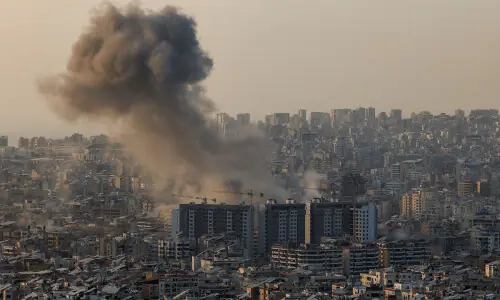
On the battlefield, the broader pattern of attrition persisted during the past 24 hours. Iran intensified missile and drone operations alongside proxy pressure, while the US and Israel maintained strikes on military and strategic targets. The growing focus on energy assets suggested that both sides are now seeking leverage not just through battlefield gains, but through economic disruption.
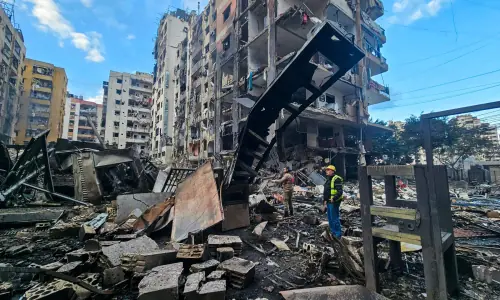
On the proxy fronts, Hezbollah scored significant tactical successes in southern Lebanon, ambushing Israeli forces in Taybeh and destroying at least six Merkava tanks with guided missiles and anti-tank guided missiles, while heavy clashes and rocket barrages continued as Israeli helicopters evacuated casualties under fire. Iraqi resistance groups, meanwhile, offered a conditional five-day halt in attacks on the US Embassy in Baghdad in exchange for Israeli cessation of bombing of Beirut. Yemen’s Houthis remained in a test-fire posture but have issued fresh warnings tied to the USS Tripoli’s approach.
The sense at the end of the 20th day of war was that intensifying energy warfare during this complex and more destabilising phase will raise the costs for all parties involved, while reducing the margin for controlled escalation.
Header image: A picture shows a view of the phase 12 of the South Pars gas field facilities near the southern Iranian town of Kangan on the shore of the Gulf on January 22, 2014. — AFP
Baqir Sajjad Syed is the Foreign Affairs and National Security Correspondent for Dawn. His career of over 25 years spans print and broadcast journalism. He is a former UN Reham al-Farah Fellow and held a Pakistan Fellowship at the Woodrow Wilson Centre in Washington, DC. He tweets @baqirsajjad