War Diary Day 19: Nuclear shadow deepens as energy war expands
On the 19th day of the US-Israeli war against Iran, the conflict is being shaped by two interlocking dynamics wherein the nuclear threshold has not been crossed but is increasingly blurred, while the fighting has spread across multiple theatres. Together, these trends reinforce each other, with each escalation raising the nuclear risk even as the grinding nature of the war makes de-escalation harder.
The latest escalation underscores this shift. A strike on the Bushehr nuclear power facility, though limited in immediate damage, has pushed the conflict into a more dangerous phase. The absence of a radiological incident has not diminished the significance of the event. It has instead introduced a new risk regarding the possibility of reciprocal targeting of nuclear-linked infrastructure.
Similarly, Trump’s plan for seizing enriched uranium stockpiles carries extreme escalation risks. While any such move would almost certainly trigger Iranian retaliation, there are risks with even attempting to seize those stockpiles because of potential radiological hazards and the operation’s risky mechanics.
Therefore, what was earlier implicit has now moved closer to operational consideration.
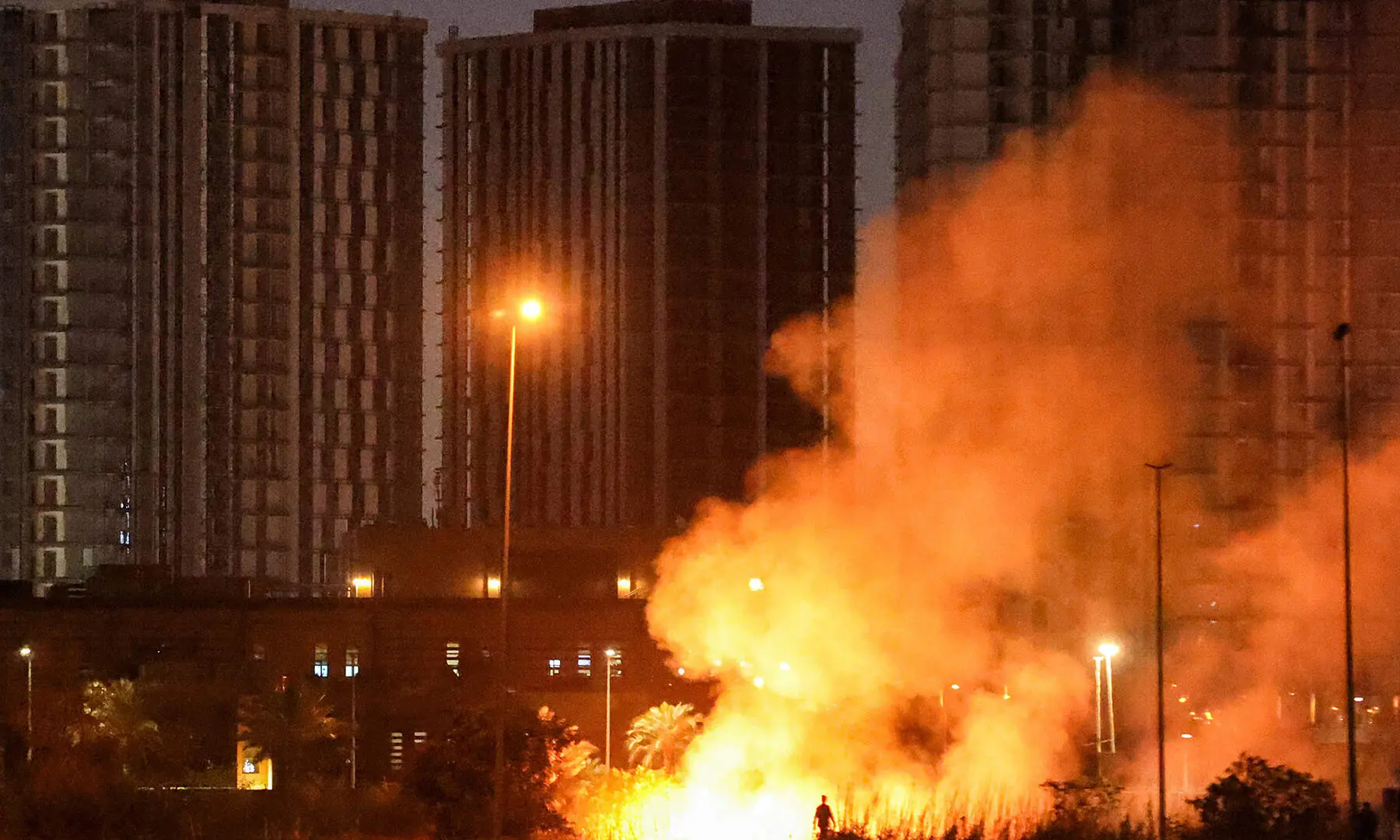
In parallel, the Strait of Hormuz has emerged as the central theatre of contestation. Overnight strikes by US forces using heavy bunker buster munitions against Iranian coastal missile positions point to a strategy to weaken Tehran’s ability to control access to the waterway. Additionally, the incoming deployment of the USS Tripoli, with its embarked Marine force, adds to indications that Washington is preparing for more direct options, including potential ground operations against Iranian islands, though the effectiveness of such a strategy remains uncertain.
Any attempt to seize key nodes such as Kharg Island or the Tunb islands would carry significant operational risks, even as the chances of neutralising Iran’s wider asymmetric capabilities remain low. Instead, it could trigger broader attacks on Gulf energy infrastructure.
Currently, the closure of the Strait of Hormuz is selective rather than absolute, allowing limited passage for states not involved in the conflict while restricting traffic linked to the US-Israel coalition. This calibrated approach has allowed Tehran to sustain economic pressure without fully closing the channel. The US is said to be even allowing Iranian vessels to carry oil so as to reduce pressure on the oil market due to the crisis. Therefore, further escalation in the Strait would increase the crisis instead of resolving it.
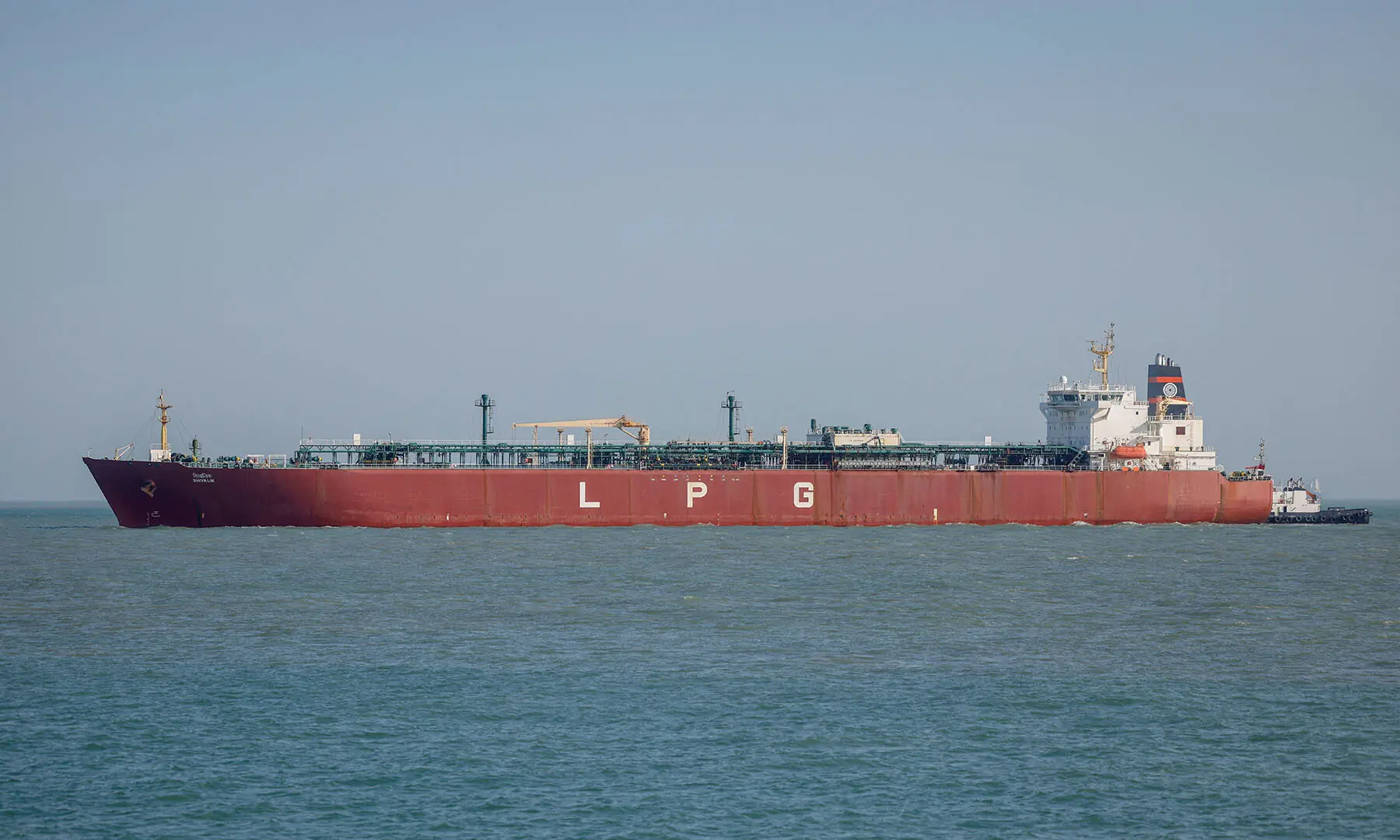
The Israeli strike on multiple facilities in Iran’s South Pars gas field, targeting for the first time critical gas processing infrastructure that underpins Iran’s economy, is yet another deliberate expansion of the conflict in the energy domain. The attack, reportedly coordinated with and approved by Washington, indicates a shift in US-Israeli calculus, with Iran’s broader energy sector now treated as a legitimate theatre of operations.
This move is likely to invite a symmetric response, with Iranian retaliation expected against gas and LNG infrastructure across the Gulf, from Saudi to Qatari facilities. The wider contest involving hydrocarbon lifelines highlights an impending, much graver energy crisis.
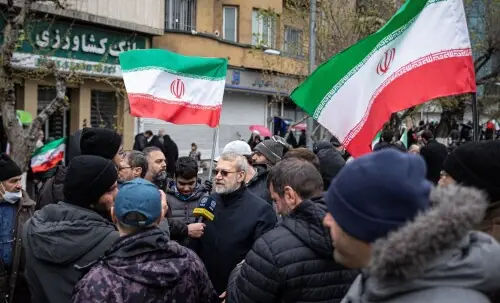
Iranian Foreign Minister Abbas Araghchi’s latest remarks reflect Tehran’s positioning on the issue of navigation through Hormuz. He has framed any potential end to the conflict not in terms of a ceasefire, but a comprehensive settlement that addresses all active fronts, including Lebanon, Iraq and Yemen. Central to this vision is a new framework governing passage through the Strait of Hormuz. His vision for the post-war arrangement underscores Tehran’s intent to convert its current leverage into a longer-term strategic arrangement. While leaving the door open to proposals from external actors, his formulation makes clear that Iran does not view a return to the pre-war status quo as acceptable.
On the battlefield, the pattern of sustained pressure continues. Iran’s latest missile barrages mark a qualitative shift, with more advanced systems being used to penetrate Israeli defences and target urban and strategic sites. Strikes have also continued on US positions in the Gulf. At the same time, proxy fronts remain active. Hezbollah has continued rocket fire into northern Israel as ground fighting in southern Lebanon has settled into a slow and contested campaign, while Iraqi militias have maintained pressure on US installations, not only in Iraq, but have also been reported to have targeted a base in Jordan.
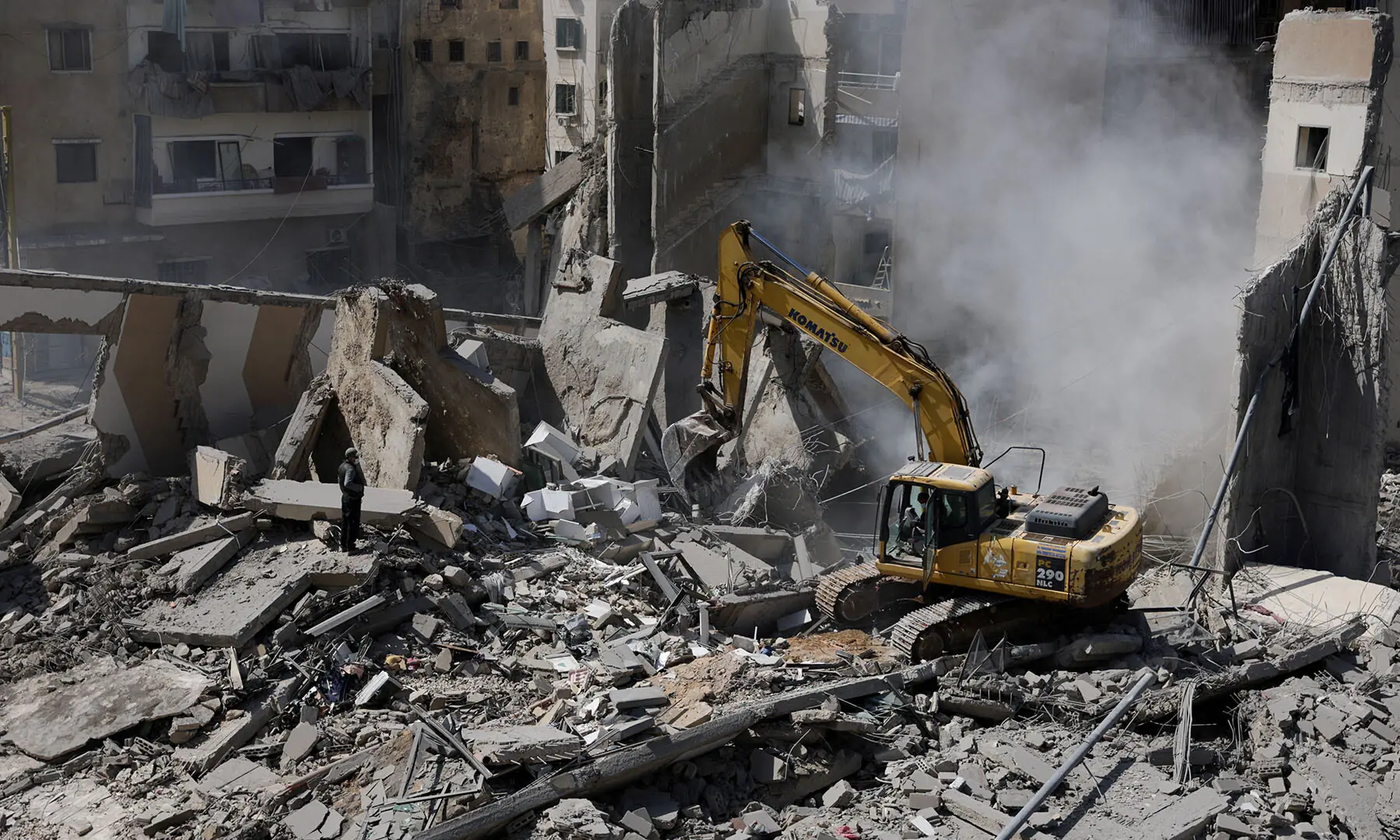
Israel, for its part, appears to be widening the scope of its operations. Authorisation for expanded targeting of Iranian leadership figures indicates that the decapitation campaign will continue. The Israeli defence minister has warned of surprises after what Hebrew media described as “one of the hardest nights” for Israel, with fires, power outages, warehouse explosions, and infrastructure damage due to intense Iranian missile attacks.
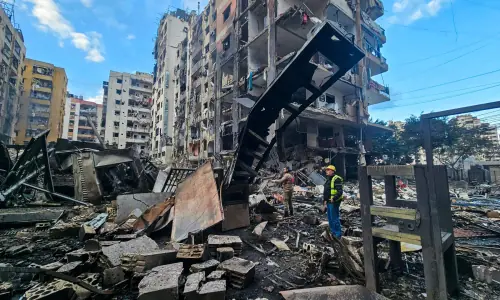
Meanwhile, ground operations in Lebanon are being sustained by Israel despite not so significant territorial gains, suggesting an approach centred on pressure rather than breakthrough.
Diplomatically, the picture remains constrained. US President Donald Trump has continued to press allies to support maritime operations in the Strait, but without a meaningful response. Trump’s frustration with Nato has become more explicit, even as he signalled that the US is prepared to proceed without broader coalition backing.
Gulf states, meanwhile, are attempting to balance competing pressures. While wary of direct involvement, they remain concerned about the implications of prolonged Iranian leverage over regional energy flows. A Saudi-hosted meeting of Arab and Islamic foreign ministers on Thursday is expected to call for restraint, but is unlikely to alter the immediate trajectory.
These developments are therefore pointing to a conflict that is becoming harder to contain. An easy conclusion at this point in time is that each incremental move carries greater risk, while the space for a negotiated exit continues to narrow.
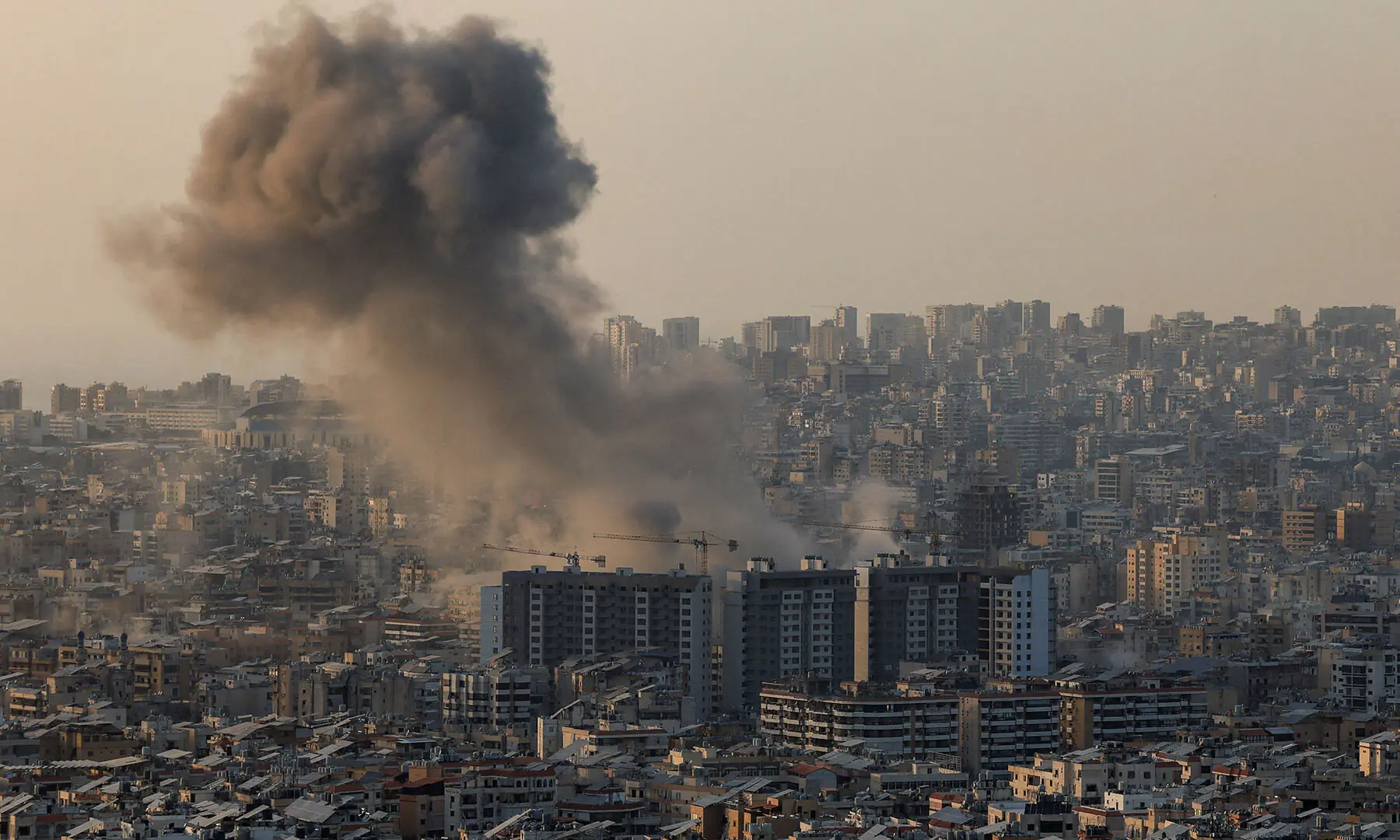
Header image: Smoke rises after Israeli strikes following an escalation between Hezbollah and Israel in the southern suburbs of Beirut, Lebanon on March 12. — Reuters
Baqir Sajjad Syed is the Foreign Affairs and National Security Correspondent for Dawn. His career of over 25 years spans print and broadcast journalism. He is a former UN Reham al-Farah Fellow and held a Pakistan Fellowship at the Woodrow Wilson Centre in Washington, DC. He tweets @baqirsajjad