Lahore gamers from local arcades make their mark on the world stage
In the late 1990s and early 2000s, a modest gaming subculture took shape in Lahore’s neighbourhood arcades, where children lined up in crammed rooms around old consoles, putting coins into machines after school.
Two decades later, that small, tightly knit community has produced some of the world’s top Tekken players, who are challenging and often defeating competitors from countries long considered global powerhouses in e-gaming, including South Korea.
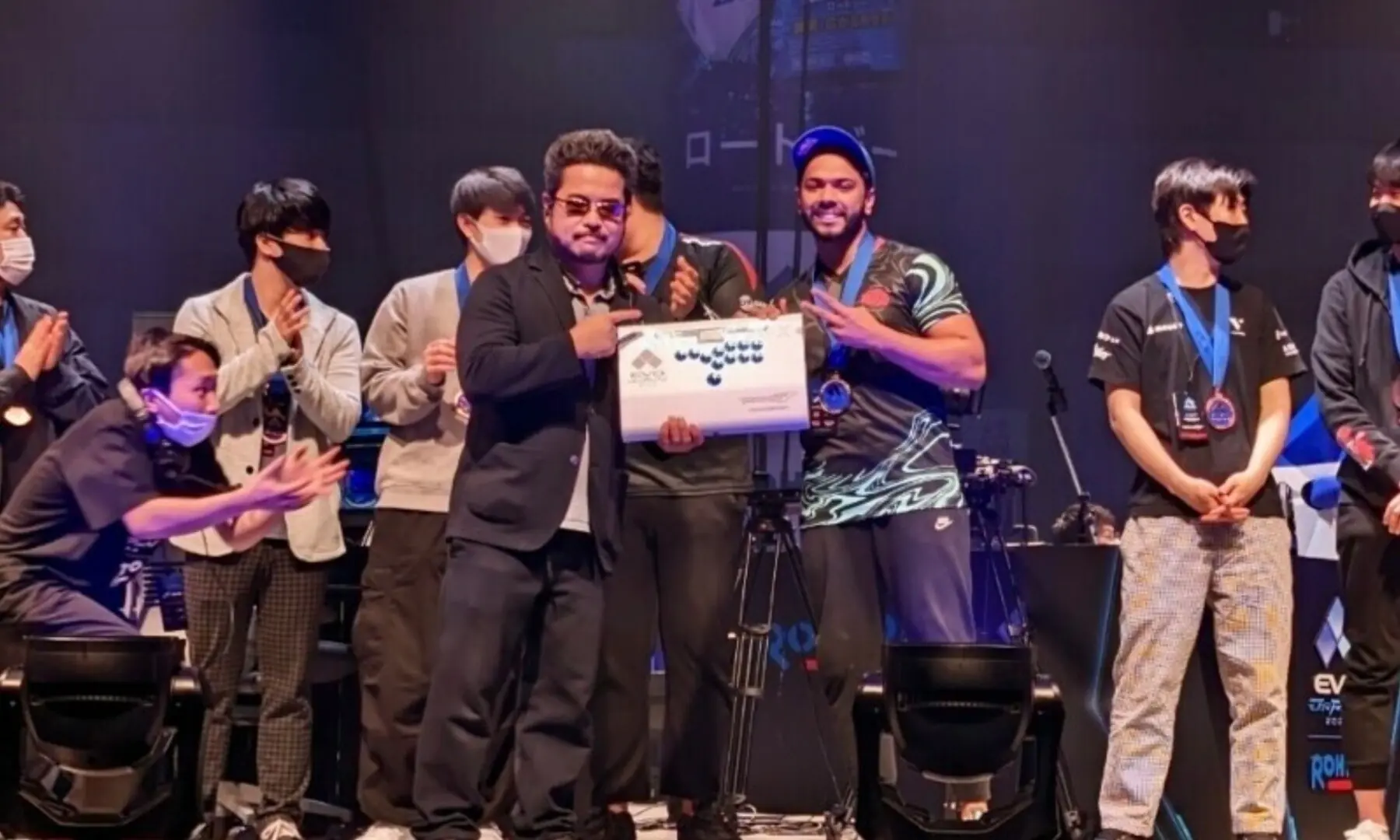
Pakistan’s breakthrough moment came in 2019, when Arslan Siddique, better known as Arslan Ash, impressed the international circuit by grabbing the Tekken 7 World Championship title in Japan.
His victory was not merely about winning a title, but it put Pakistan on the global e-sports map. Since then, Arslan has continued to dominate international tournaments, while a growing number of Pakistani players have entered and remained within the top tiers of global rankings.
Behind these wins is a story rooted not in high-end gaming rigs or institutional backing, but in neighbourhood arcades and informal competition. Nearly all of Pakistan’s top Tekken players trace their beginnings to the same places, i.e. local gaming shops where talent was polished through hours of play, rivalry, and shared learning, long before the government or international sponsors could take any interest in them.
“I was into gaming since childhood. When I was younger, arcade culture was very popular, and we had an arcade near our house. I went there with my cousins and neighbours after school. This is how I started,“ Arsalan told Dawn.
He said that arcades were the go-to place for children, and this was true for the entire city of Lahore. The local arcades were also the place where children, mostly from middle and lower-middle-class families, made friends.
Recalling the time when computer-based team games made their way into Pakistan, Arsalan said he stayed at the arcade both because of interest and also because of the exorbitant cost of new games.
“I belong to a poor family, and we used to think that this [LAN gaming] was for the rich, and we couldn’t afford it. So, I never tried that.
“Another thing was that those games were played between teams, but I used to play alone. They, I think, charged hourly, but I used to play mostly for free. When nobody was able to defeat me, only one coin used to be enough for me. That was the reason I remained in arcade gaming,” he said.
Tekken has become the game of choice for many e-gaming enthusiasts in Lahore, especially after Arslan’s international success, which many saw as proof that passion could become a career. But hurdles remain.
Zamin Abbas, the owner of Maniax Gaming, a popular arcade among Tekken players, told Dawn that he had been playing since he was five years of age.
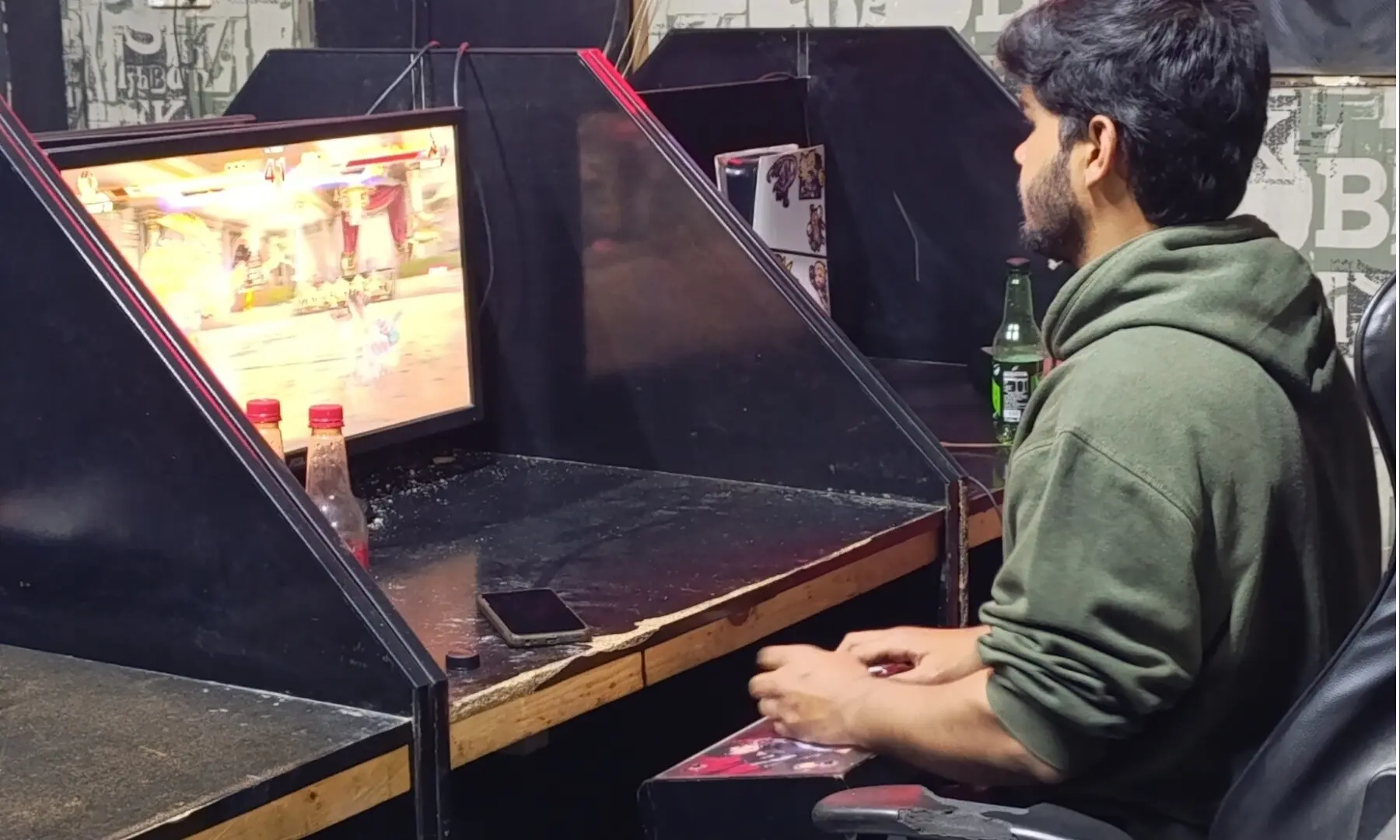
“There is no arcade in Lahore where I haven’t played. I know many great players who didn’t get the opportunity to play professionally in the last 15 years, but they created the base for the next generation by establishing a system in which players can compete locally.”
He noted that following Pakistan’s rise on the international scene, more new players were practising and learning the game, even if some could not afford the fees. “We support them by not charging them,” he said.
Lahore’s Tekken community
Arslan shared how he became part of the wider Lahore gaming community. After moving to a new area, he continued playing in a local arcade and gradually made a name for himself. “Players here competed across the city, and I played locally for around 10 years before becoming famous in Pakistan.”
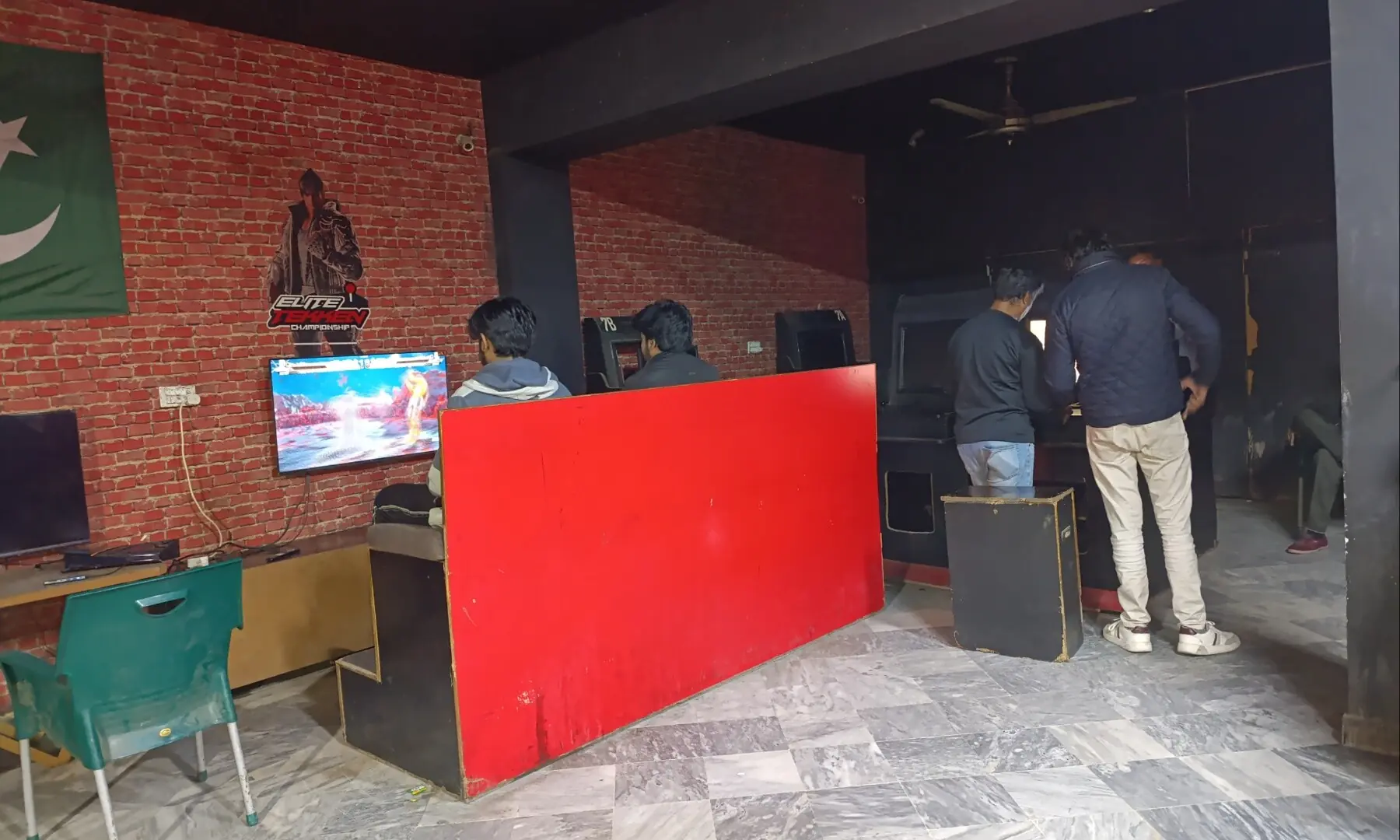
He observed that Lahore became a hub for Tekken, attracting players from cities like Gujranwala, Multan, Faisalabad, and even Kashmir.
“The reason for this, I think, is the lack of gaming-capable internet in the country. Wherever you are in Korea, you can play online with other players, but here, if you want to play, you will have to come into the local gaming community, as online gaming is almost non-existent here. Every game requires a community, and community is the basis on which Pakistani players have made a name internationally,“ he said.
“The Tekken community is very strong in Pakistan, and by playing and learning from each other, we have learnt the game.”
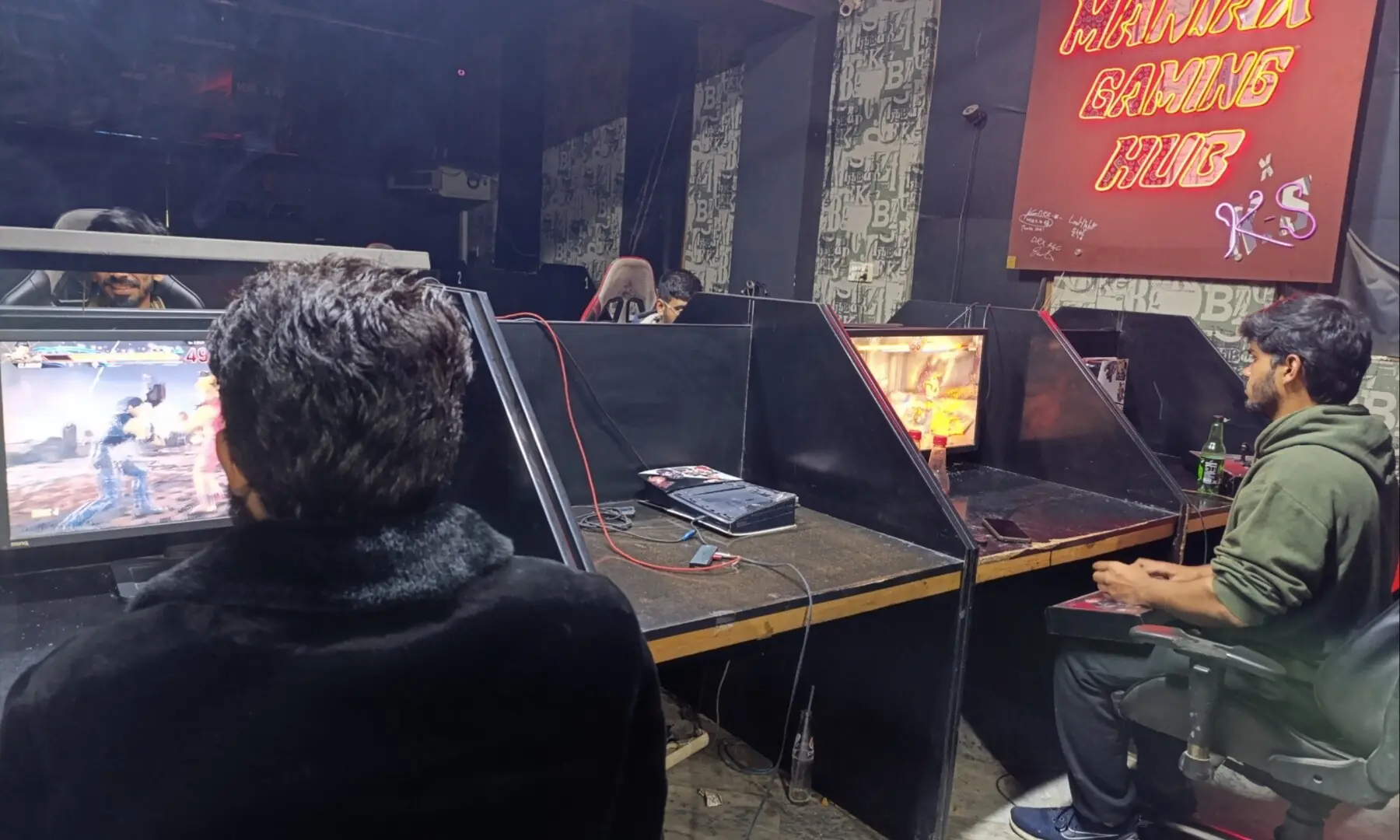
Zamin added that the community developed slowly, and with the advent of social media, many youngsters became aware of the game. He said that there was one social media page where matches were uploaded with commentary, and people began showing an interest. Slowly, gaming zones appeared, giving many players their start.
“In 2011-12, I started this business after leaving a government job. I experimented and learnt along the way. Started organising tournaments without any help, and by practising in these tournaments, players got better. But until then, we had never played with any international players,” he revealed.
He said the local community was very supportive, and a new player got guidance and help with learning the game. “You can say that the whole of Pakistan is a coach,” he said.
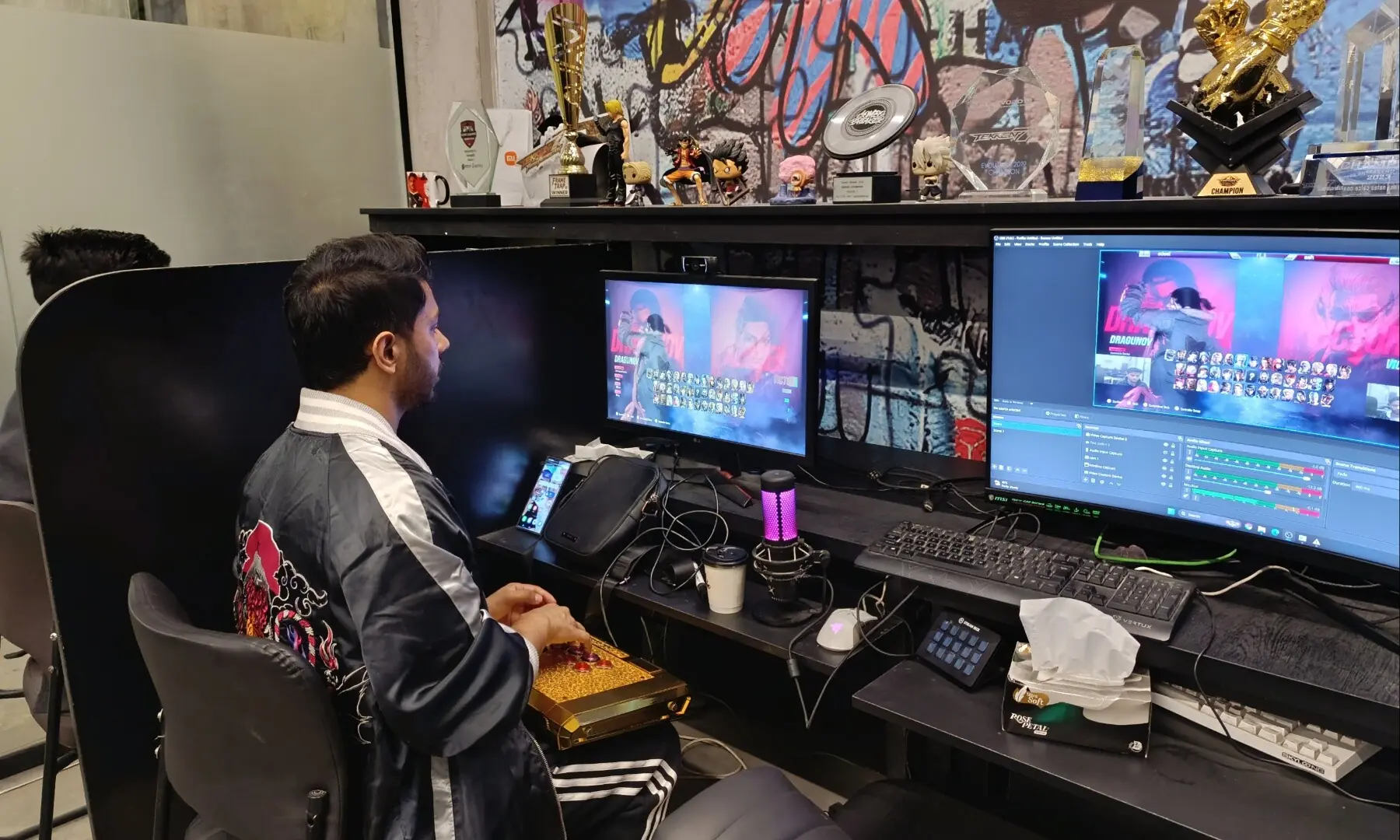
Irfan Bhatti, another player, said he learned tactics by studying international players. “Back in 2015, there was an arcade on Bund Road where the owner installed an internet connection. He used to download videos of Korean players, and we used to take memory cards, USB sticks and mobile phones there to copy those videos. From there, we learnt techniques of the game”.
From neighbourhood arcade to international arenas
After dominating local arcades, Arslan aimed for international competition in 2018-19. “I thought I should compete globally. Friends helped me with passports and other support,” he said.
Irfan noted that before 2015, Pakistan wasn’t on the world map, but Arslan’s 2019 win inspired other players to aim for international tournaments, creating a snowball effect.
Danyal Chishty, CEO of e-sports startup Baaz, said, “The year 2019 changed everything. When Arslan won the world title, e-sports took off. Now, international and local companies are taking notice.“
“Now our events are being viewed worldwide, and it’s just the beginning; the sky is the limit,” Danyal told Dawn.
Sponsors and government support
Danyal added that e-sports, though niche, attracted a dedicated young audience, catching the attention of corporates and the government.
Focal Person for the Prime Minister’s Youth Program (PMYP), Fahad Shahbaz, said that as part of the government’s vision to enhance the IT exports to $25 billion, e-sports was being seen as one of its components.
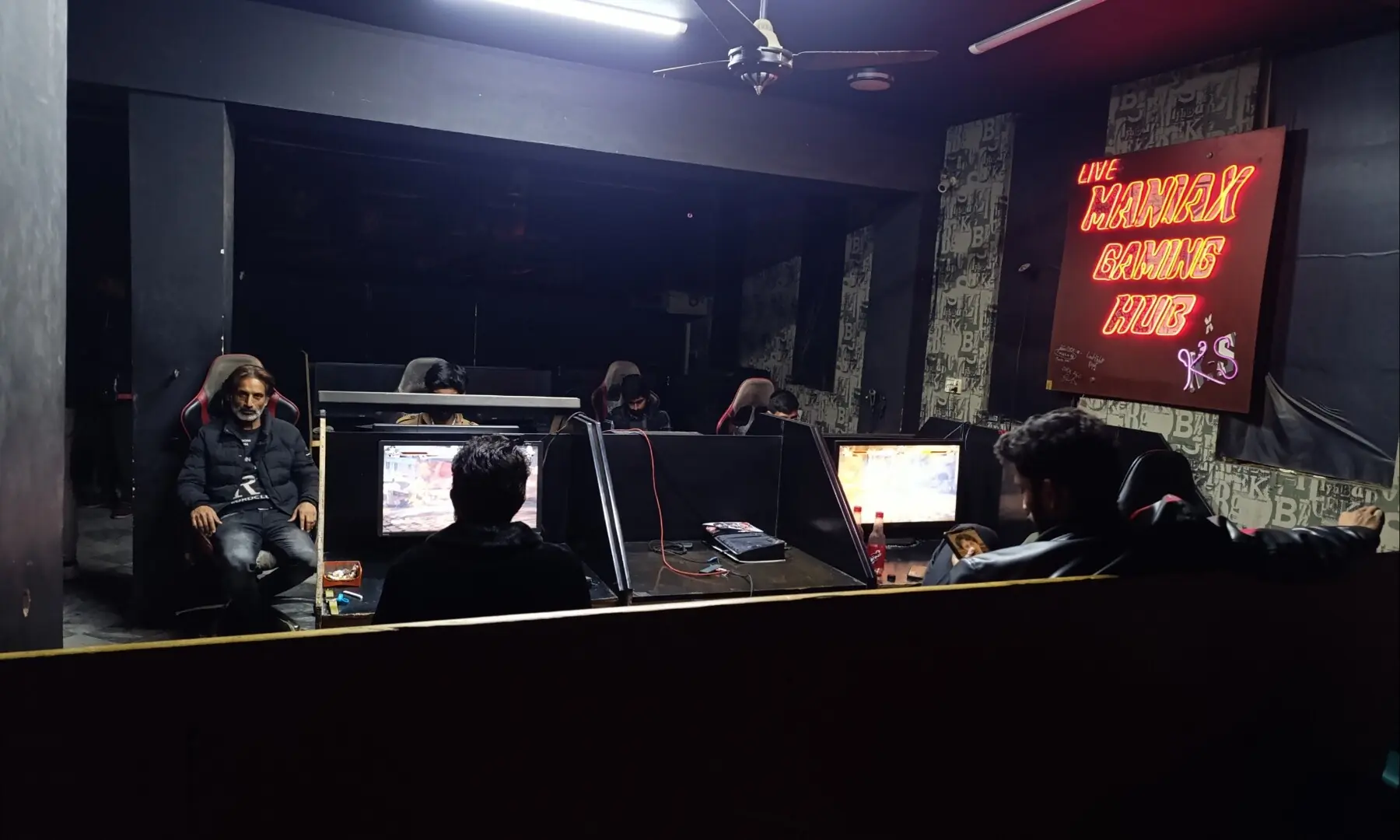
He said that an e-sports policy was being developed, and members of the National Youth Council had also takena keen interest in promoting e-sports. Apart from this, international forums such as the Organisation of Islamic Cooperation (OIC) and Shanghai Cooperation Organisation (SCO) also held e-sports competitions, and the government wanted to support Pakistani players by helping them compete on those platforms.
“Several meetings were held with private firms and local players, and for the first time in history, the prime minister established a task force for e-sports. It is in initial stages, but the government was looking to provide infrastructure, ease taxation, and build e-sports arenas and academies to promote e-sports.”
Other government bodies are also now taking an interest in e-sports, and public educational institutions might be the first to leap. Punjab University Director of Sports, Dr Shabbir Sarwar, told Dawn that e-sports was being recognised as a competitive game the world over, so there were moves to introduce and support this form of sports.
He revealed that the Punjab University was planning to conduct e-sports activities. He said that at a recent meeting of the Higher Education Commission (HEC), there was a proposal from the federation that e-sports should be conducted at the intervarsity level.
“We discussed this thoroughly at the universities’ directorate of sports. Although many voices were against this proposal, we believe that e-sports is a reality. We will have to patronise e-sports eventually, so the sooner the better,” he said.
However, the government’s interest in e-sports is seen sceptically by some.
Zamin of Maniax Gaming, for example, said: “The government is not involved in this field, and that is the reason we are at the top. Look at all the other sports where the government is involved, and those have been ruined.“
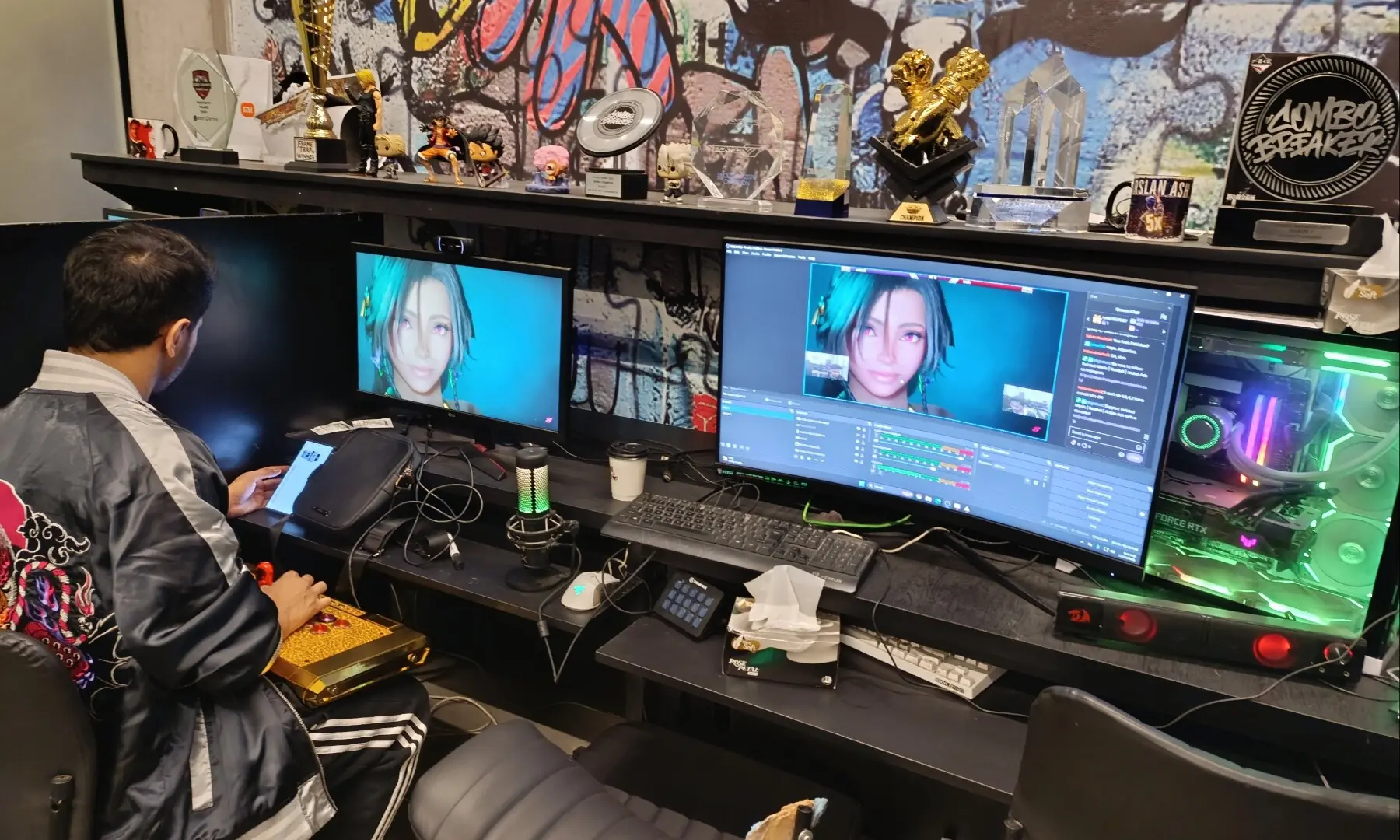
“Favoured people are given lucrative spots.”
He said that e-sports was doing fine without the government’s support, and in the last 15 years, the government did nothing for the players or e-sports.
“E-sports survived and thrived without electricity, without any kind of support, with its own efforts, and now Pakistan is number one in the world.”
Cost of competitive gaming
Even with support, challenges remain. Arslan said that high-speed internet, expensive consoles, and gaming computers limit access. “In South Korea, the internet is cheap and widely available. To mainstream e-sports here, we need infrastructure, tournaments, and leagues. A local league would help the most.”
Arslan said that although some private companies had taken an interest in holding e-sports events, it was a one-time thing. “Only international companies are supporting e-sports in Pakistan with sponsorships, and companies from Saudi Arabia, the UAE, and the US are supporting players here,” he added.
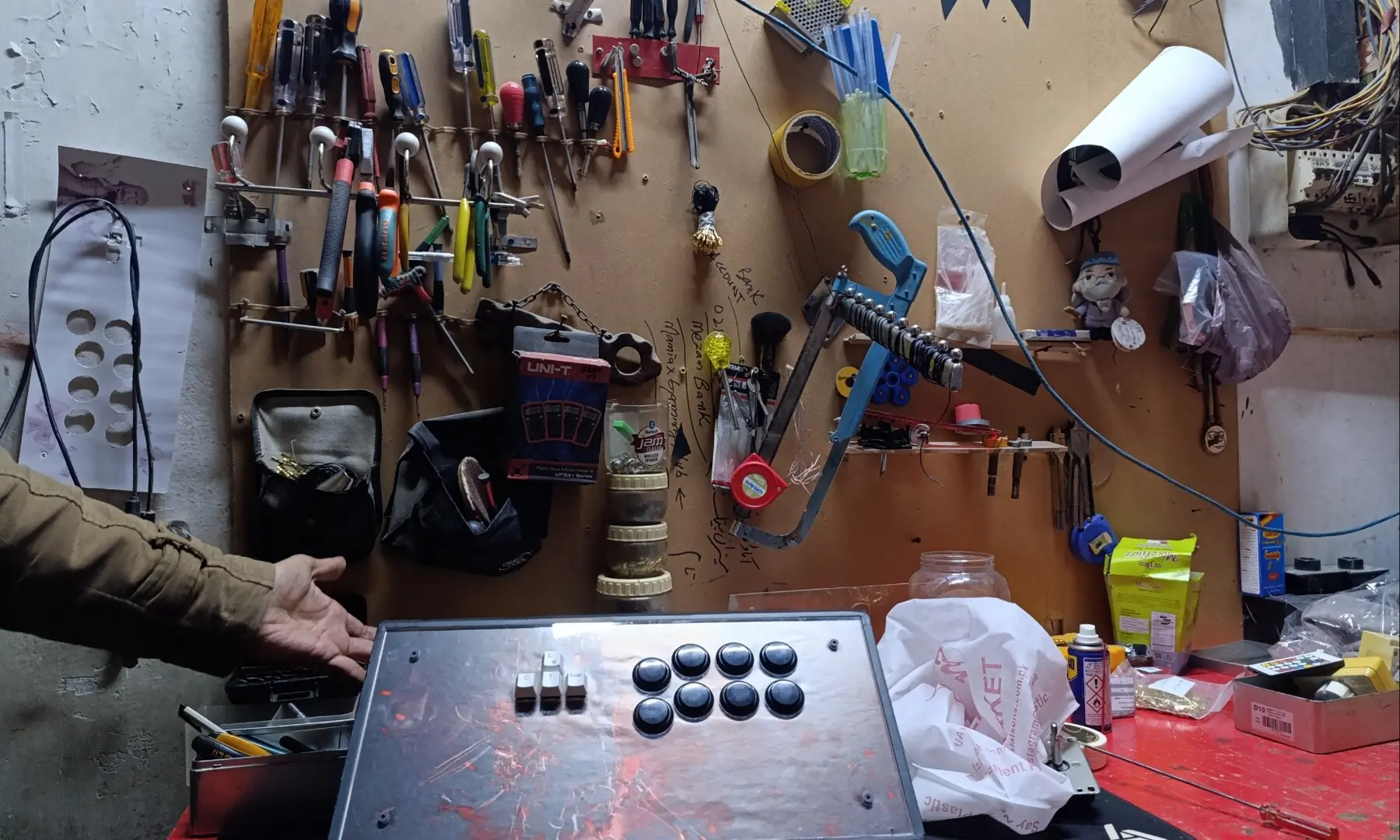
Danyal also pointed out several issues, including getting sponsored funding inside Pakistan, which was slowed down by red tape and unnecessary delays. Another issue, he said, was importing equipment to Pakistan.
Even with all these problems, e-sports has been gaining traction in Pakistan. Last year, players and commentators from the US, South Korea and the UK came to Pakistan. “I am hopeful that more players from around the world will also come here to play,” Irfan said.
Header Image: Pakistan’s Arslan Ash (R) being awarded by Tekken producer Katsuhiro Harada for winning the Tekken 7 competition at EVO Japan 2023 in Tokyo, Japan. — EVO Japan 2023/X


 5
5