

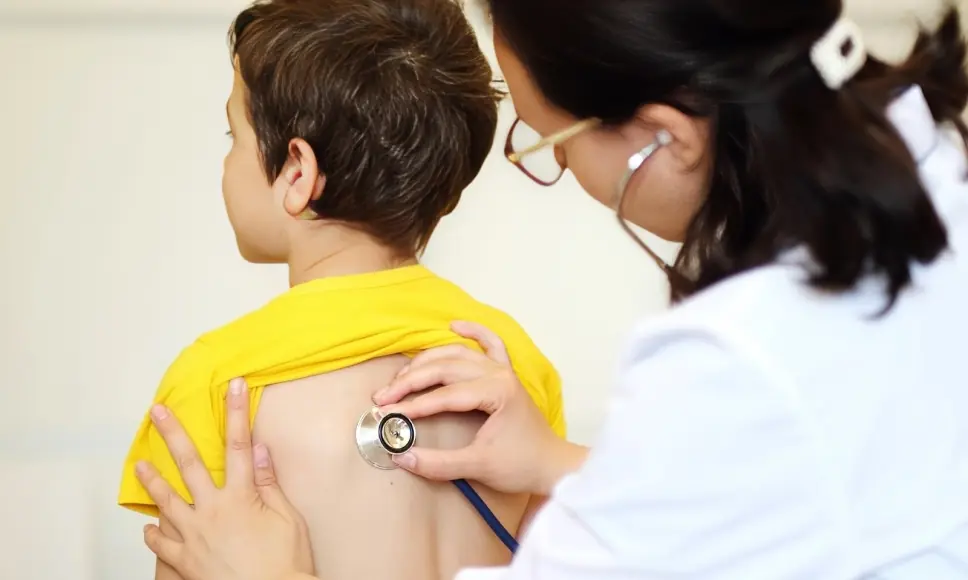
Protecting Pakistan’s children with awareness


Globally, a child loses their life to pneumonia every 43 seconds.
In Pakistan, this threat is acute, especially in more vulnerable communities. The severity of pneumonia can vary drastically from one person to another, ranging from mild to life-threatening.
For World Children’s Day, we are reminded that this is not only a medical challenge, but a human one. Behind every number is a child, a parent, a caregiver facing the fear that their child’s illness could become something far more serious.
Prevention is the first step. Caregivers and parents can take action to understand how best to protect the children in their families – thanks to advances in child health, severe illness and deaths can be avoided.
Signs and symptoms
Pneumococcal pneumonia often begins with what might seem like a common cold but can often become serious.
In young children, warning signs can include:
- High fever (above 38.9°C)
- Persistent cough
- Difficulty or rapid breathing
- Restlessness or irritability
- Loss of appetite or vomiting
- Sweating or flushed skin
- Low energy or unusual tiredness
In babies, additional signs may include:
- Grunting or noisy breathing
- Feeding difficulty
- Pale skin
- Fewer wet diapers
- Limpness
- Excessive crying
If your child is showing these warning signs, it’s important to seek medical care immediately because early treatment can make all the difference.
Protecting children starts with informed action
Pneumonia, especially pneumococcal pneumonia, remains one of the most serious threats to children under five years old. Yet, it is also one of the most preventable. Advances in child health have made it possible to significantly reduce the risk of severe illness if families are equipped with the right tools and information.
Today, there are proven preventive measures available through routine child health services that can dramatically lower the chances of pneumonia. These interventions are safe, widely available and recommended by health organizations worldwide. These are part of the standard care offered by government health workers at outreach clinics across Pakistan.
What can caregivers do?
Awareness is the first step toward protection. Here’s how parents and caregivers can help safeguard their children’s health:
- Talk to local health workers: Immunisation can help prevent pneumococcal pneumonia before it happens. Lady Health Workers and community volunteers can answer questions and help connect you to routine child health services.
- Know the signs: A child under five who has a cough along with fast or difficult breathing, with or without fever, could have pneumonia.
- Seek care early: Don’t wait. If your child shows symptoms, visit a nearby clinic or health centre immediately.
- Keep your child nourished: Access to good nutrition and clean water, limiting exposure to air pollution and improved handwashing can help reduce the risk of pneumonia.
A shared responsibility
As we celebrate our commitment to children’s health, let’s renew our promise to take early action. No child should die from a disease that is both preventable and treatable. Together, we can build a future where every child in Pakistan has the chance to grow up healthy and safe.
For more information, please consult your healthcare provider or visit the EPI website to learn more.
The content of this article is intended for Pakistan residents only. This article is intended for educational purposes only and is not intended to replace consultation with the healthcare professional in any manner. Please consult your healthcare professional for any further information which you may require regarding prevention or treatment of any disease. Any medical information, facts, views, opinions, and thoughts expressed in this article are strictly those of the expert(s)/ speaker(s) appearing in the article and do not necessarily reflect or represent the views of, and are not attributable to, Pfizer Pakistan and/or its affiliates. Neither Pfizer Pakistan and/or its affiliates provide any representations or warranties regarding the accuracy of any medical information, facts, views, opinions and thoughts expressed by the expert(s)/speaker(s) in the article. PP-UNP-PAK-0187/11.2025.
This content is an advertorial by Pfizer Pakistan and is not associated with or necessarily reflective of the views of Dawn.com or its editorial staff.


 0
0