How a FATA orphanage is improving the lives of destitute children
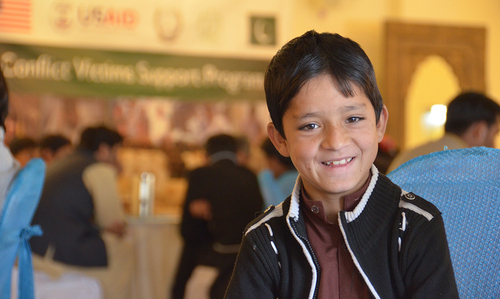
Eight year old Azeem remembers the last time he saw his father as he kissed him goodbye and promised to bring him new clothes. A taxi-driver and the sole bread earner of his family, his father never returned.
He was killed in an attack by militants.
“The tragedy was the biggest loss to our family, as after my father there was no one to support us,” Azeem said while sharing his story.
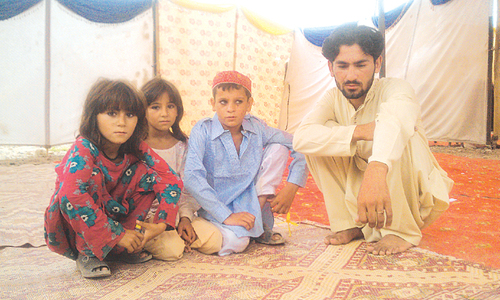
A victim of terrorism, Azeem and others like him have grown up under the fear of militancy and the dread of internal conflict that has marred the region.
In addition to losing one or both parents, school bombings and attacks on other education facilities have deprived the young of socio-economic opportunities too.
Since 2001, the ongoing militancy in the region has killed countless civilians. In May last year, the Ministry of States and Frontier Regions (SAFRON) submitted figures from the last six years to the National Assembly; more than 5,700 people, including forces personnel, have been killed in terrorist attacks in FATA.
But after years of a military offensive in the region, locals are slowly starting to experience a revival of peace and normalcy following the introduction of development projects like the orphanage in the tribal district.
Reviving hope in the darkness of war
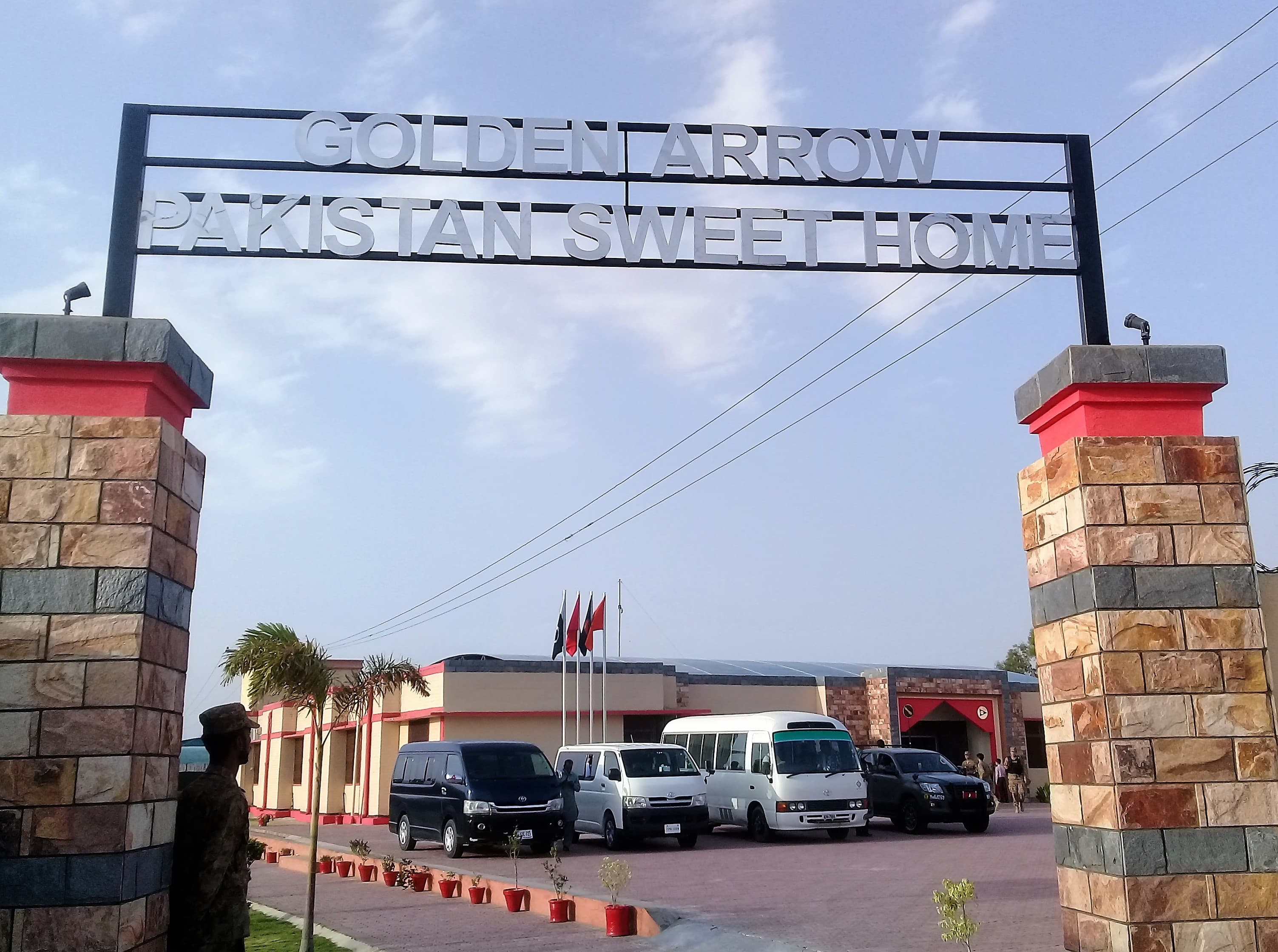
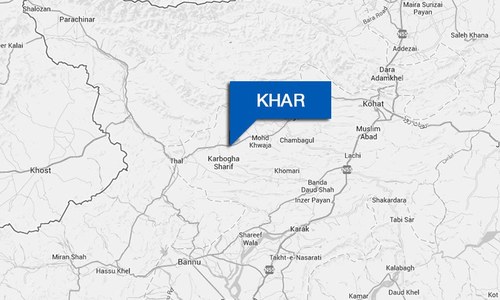
The first of its kind, the Golden Arrow Pakistan Sweet Home orphanage is a joint initiative between the country’s military and Pakistan Sweet Homes- a welfare organisation- that provides quality education, recreational facilities and shelter for at risk young boys in North Waziristan’s Mir Ali district.
“The army has established the centre and it welcomes all those who have lost one or both parents, irrespective of the reasons of the loss,” the matron of the orphanage Farzana explains.
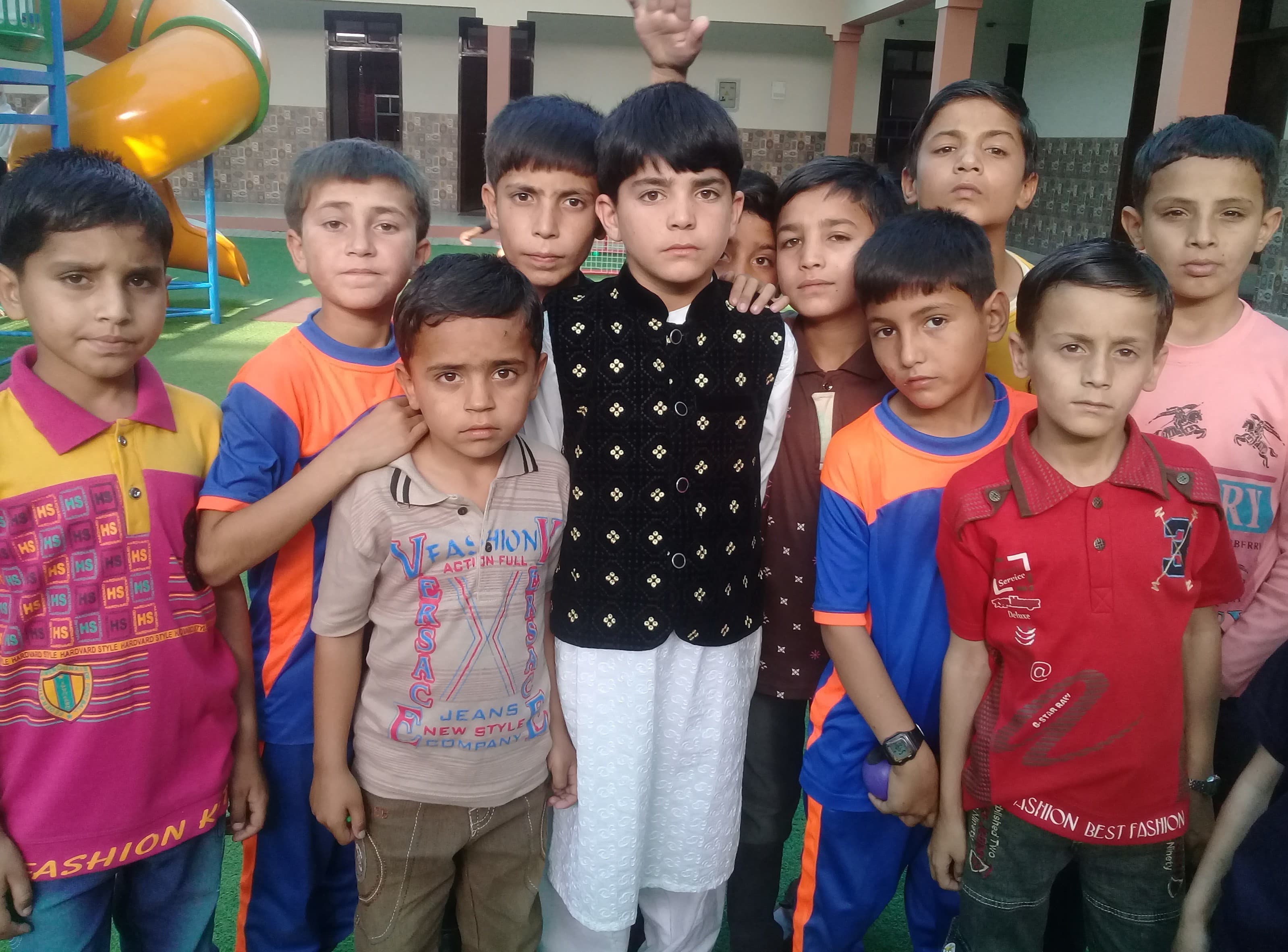
There are currently 122 children at the centre that offer boarding, quality education, sports and other facilities to boys mostly under the age of 10.
“Children, especially orphans, in a war-zone society like FATA, are at a higher risk of militancy and are more prone to getting involved with anti-state elements due to a lack of educational, health and economic opportunities," Farzana explains.
According to a survey conducted by the military, there are almost 350 or more children in Mir Ali alone who have lost their parents. The orphanage is being expanded to accommodate a bigger number.
Children encouraged to find their voice
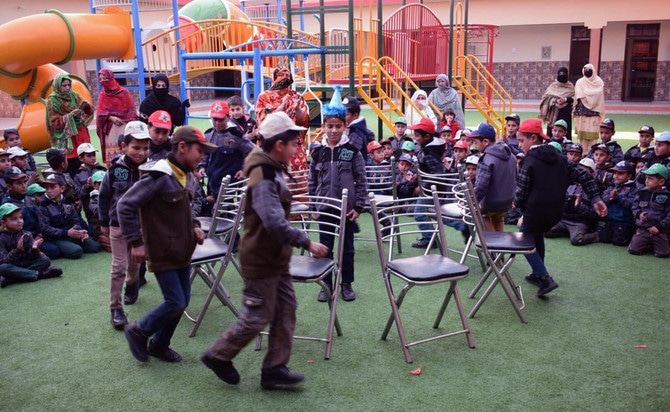
Life in the well-facilitated centre is a new experience for the children, who were used to rough and miserable living. Farzana, the matron of the centre, explains that the children were initially uneasy and seemed scared when they first came to her, but with the passage of time the friendly environment made them comfortable.
“They took time to adjust here,” she said, adding that many of them were used to sleeping with their mothers.
“Now they are familiar with everything here and like calling me ‘mor’ (mother in Pashto).”
“Yes I am their mother, as I look after them and take care of them like a mother,” the matron opines.
The orphanage has now become a lifeline for children affected by the loss of family and the trauma of war.
Shazeeb, 8, is now well-adjusted at the centre. Sharing his experiences, he informs that he lost both his parents in a blast. “I still miss my parents,” but he is more worried about his two younger sisters living back home with their uncle’s family.
“I want to do something for my sisters and when I get a job we will start living together”, Shahzeeb concludes.
Ahmad, another young boy at the orphanage recounts his story, “my father and mother were killed in a road-side blast.” He says every time he discusses bomb blasts and militant attacks his eyes tear up.
But Ahmad is hopeful as he says, “my father wanted me to become a doctor and I am willing to achieve my late father’s dream.”
“What we are doing is to counter post trauma by providing a healthy and peaceful environment and the best education to help them forget their bad memories.” An official at the orphanage shares.
Orphans thrive despite their past
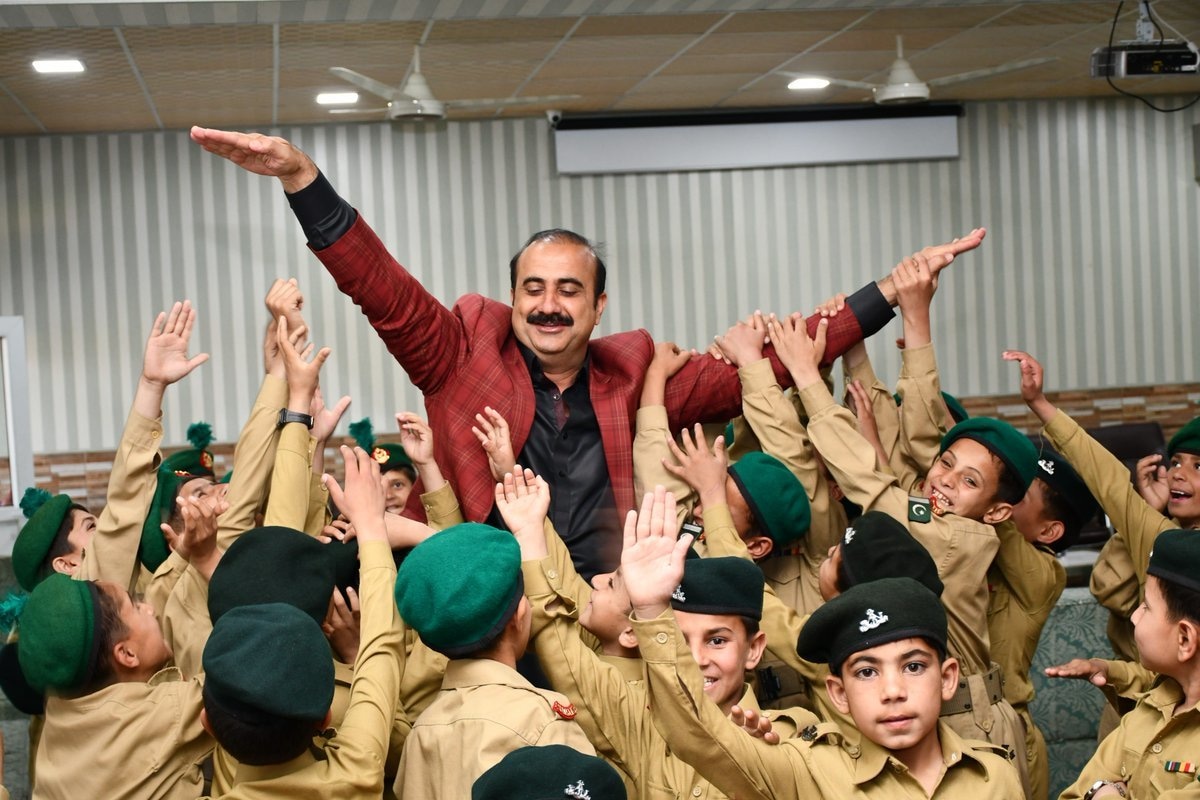
The children now live a much more disciplined and secure life in spite of problems faced by a the war-torn region.
The daily routine of the centre, according to Farzana, starts after breakfast, when the children line up for school that is situated right next to the orphanage. After returning from school they take rest for an hour before going to reading room to complete their school work and study.
The centre has facilities that include an activity room to play, a TV lounge, dining hall, playground, and study room.
The 122 children at the Golden Arrow Sweet Home all have different stories about their past, but they give courage to each other by sharing their present.
“We all are like a big family here, and Madam Farzana is like our mother,” Azeem concludes.
Young Azeem and other war-orphans are hopeful of a bright and promising future ahead.