KARACHI, Nov 7: More than 30,000 regular and daily wages employees in the travel agencies and top hotels in all parts of the country have been laid off since the on-set of economic meltdown in the aftermath of September 11 incident.
Leading hotels have sent home only daily wagers, but the regular staffers have reached an agreement with their management avoid joblessness.
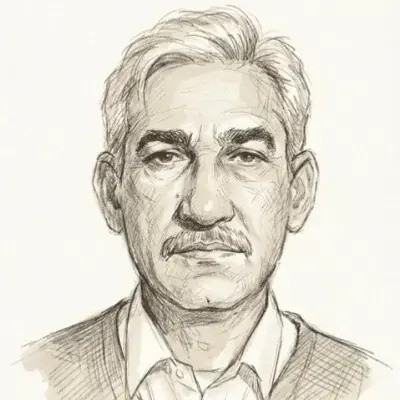
“An estimated 25,000 staffers in 1,300 travel agencies in Pakistan have been sent packing after September 11,” Convener Bonding Committee, Travel Agents Association of Pakistan (TAAP), Yahya Polani told Dawn on Wednesday. Many non-IATA members have either stopped visiting their agencies or closed down their business.
Travel agents’ business has plummeted by over 60 per cent after September 11. Prospects will remain depressed unless foreign airlines resume full operation in Pakistan and the situation in Afghanistan returns to normalcy, he said.
Polani feared losing commission of Rs300 million the 300 IATA members are expected to get from September to February.
A travel agency handles an average 100-150 tickets for domestic and international airlines in 24 hours in normal days, but it has now dropped by over 50 to 60 per cent, and in case of some agencies, the decline ranges between 75-80 per cent.
TAAP has 300 IATA and 1,000 non-IATA members having 200,000-300,000 workers and staffers on their pay-roll. In the year 2000, business of travel agents through IATA recorded at Rs 1.3 billion but in 2001 “business is set to plunge by over 60 per cent,” he added.
Executive Director, Hashoo Group of Companies, Mansoor Akbar Ali said that some hotels are now paying salary of 20-25 days instead of full 30 days to cover up mounting losses due to drop in room occupancy rate by over 50 per cent. The group runs PC and Marriot Hotel in Pakistan.
He said hoteliers have decided not to downsize the staff strength, hoping that the situation will improve in January, and calm return to Afghanistan.
Mansoor, ex-chairman of Pakistan Hotels Association (PHA), said the situation in hotels has been deteriorating day by day. Even holding of functions and seminars, in which room occupancy is involved, has dropped by over 60 per cent in one and a half months.
However, only three leading hotels in Islamabad, Peshawar and Quetta are doing business as usual owing to increase in occupancy rate as many foreign journalists are stationed in those cities at least for the time being.
He said PHA had pointed out these problems to the Sindh Finance Minister, Abdul Hafeez Shaikh in order to get some relief in provincial taxes till the situation improves.
PHA urged the government not to charge 70 per cent bed tax on the room occupancy in Sindh hotels. The minister was also asked to consider of charging property tax at industrial rate instead of commercial rate.