KARACHI, Aug 29: Petroleum dealers have decided to stop the sale of petrol and diesel from Friday for an indefinite period to protest against the Oil and Gas Regulatory Authority’s decision to cut their commission by 39 paisa per litre.
The dealers have advised the owners and drivers of vehicles, ambulances, and school vans and other essential services to fill their fuel tanks on Thursday as petrol pumps would remain closed during the strike, which will continue till dealers’ demands are met.
The petroleum dealers, who have also installed CNG dispensers at their stations, have also threatened to suspend the CNG supply to vehicles from next week if the government does not restore 39 paisa commission till Sunday.
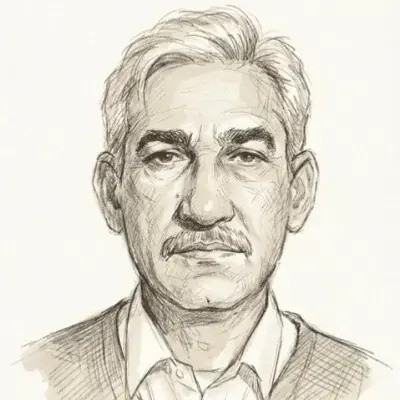
Chairman Pakistan Petroleum Dealers Association (PPDA) Abdul Sami Khan told newsmen on Wednesday,” If our demand for 39 paisa per litre commission initially is not met then the dealers will start charging 39 paisa per litre as service charge from the consumers.”
He warned that the wheel of economy would come to a halt from Friday when 4,000-4,500 petrol pumps would stop supplying fuel to the vehicles. Petrol and diesel sales in Pakistan stand at 4,000 tons and 20,000 tons a day, respectively.
“Consumers will definitely be hit hard by the strike but it is the only way to record our protest,” he said adding dealers, who have invested millions in infrastructure and storage facilities, are now on the brink of closure.
He urged the oil marketing companies (OMCs) to keep their pumps open on Friday so that emergency services like ambulance could remain mobile on t. However, he said that OMCs have only 15-20 pumps in the city.
Mr. Sami did not feel any threat from the other petroleum dealers association which was not supporting the strike. He added the rival body had only five pumps, which were not a position to make strike unsuccessful.
He recalled that in 1994, the government had formed a committee consisting of the heads of three oil marketing companies which decided five per cent commission for dealers and four per cent for oil marketing companies (OMCs) up to 1996, which was never implemented.
Getting no raise in commission in accordance with the decision of the committee, the dealers had to impose service charges, which remained in practice till 2,000.
From 2000 to 2002, the new government gradually increased the dealers’ margin up to four per cent but the PPDA’s demanded five per cent commission. In March 2006, the dealers went on strike as their commission was cut by 40 paisa per litre. Later the strike was called off as Petroleum Secretary Ahmed Waqar assured the dealers of restoring their commission within a month but the promise was never fulfilled.
Now the government had again cut the commission by 39 paisa per litre on August 25, 2007. He said that the operation expenses were normal in 90s as compared to the current year in which expenses on utility bills, employees salaries, social security, EOBI had gone high.
Sami said petrol pumps in other Asian countries were getting six to seven per cent commission.
If the dealers’ commission is not restored then they may indulge in wrong practices and will adopt unfair means to increase their sales. The government should cut sales tax and PDL on petroleum products instead of reducing dealers’ commission.
Meanwhile, oil industry sources said that a senior official of the petroleum ministry had rang up PPDA chairman urging him to call off the strike for three to four days and hold talks either in Islamabad or Karachi to resolve the commission issue.
Sources further said that the PPDA chief had flatly refused the offer by saying that strike would only be called off if the government restores the commission.
Meanwhile, Chairman All Pakistan Vigilance Petroleum Dealers Foundation Zia Abbas said that his members decided on Wednesday that they would support the strike only if PPDA demands 79 paisa commission instead of 39 paisa per litre.
He said that his association had already given 10 days deadline to the government (starting from August 27) to take back its decision otherwise it would start charging Re1 per litre as service charge from the consumers.