0
0

ISLAMABAD, Oct 11: The military leadership on Saturday backed the government’s efforts to forge a consensus on counter-terror strategy.
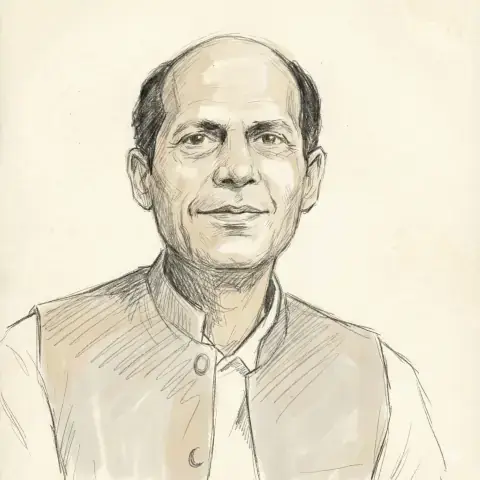
The support was extended by the Joint Chiefs of Staff Committee after a meeting at the JCSC Headquarters. General Tariq Majid, Chairman of the Joint Chiefs of Staff Committee, chaired the meeting.
The meeting was attended, among others, by Chief of the Army Staff General Ashfaq Parvez Kayani, Chief of the Naval Staff Admiral Noman Bashir, Chief of the Air Staff Air Chief Marshal Tanveer Mahmood Ahmed, Defence Secretary Kamran Rasool and the chiefs of the Inter-Services Intelligence and the Strategic Plans Division.
The JCSC chairman said that completion of the political transition was a positive development, granting the government strength to meet challenges. “The other positive development is the rising of the people against militants in Fata and adjoining areas.”
Expressing the need for strengthening the joint service framework, Gen Majid said “we must harness the capabilities of the three services under an integrated structure in order to meet the growing challenges”.
The meeting took place against the backdrop of the ongoing in-camera joint session of parliament, where the top military brass briefed legislators on law and order and internal security.
It was the first meeting of the JCSC after the stepped-up US incursions inside Pakistan’s territory and a wave of suicide attacks, posing a multiple challenge to the PPP-led coalition government.
“The meeting reiterated its resolve to support the government’s efforts for developing a consensus on multiple geopolitical and strategic challenges,” said a statement issued by the Inter-Services Public Relations (ISPR).
The ISI briefed the forum on the prevailing national, regional and global environment. The forum reviewed the internal security, including the Fata situation, and developments inside Afghanistan.
The JCSC took a serious note of insinuations about Pakistan’s nuclear programme and the ISI.
The participants expressed ‘complete satisfaction’ over safety, security and command arrangements put in place to guard the nation’s strategic assets.
The committee also reviewed the implementation of the armed forces’ development plan, which envisaged upgradation and development in certain key areas.
It reviewed the indigenisation of defence production and decided to expedite efforts to achieve “equipment standardisation and for optimising resources”.
The meeting paid tributes to military and law-enforcement personnel and civilians who had laid down their lives in the fight against “terrorists and miscreants”.
It reviewed the ongoing internal security operations and expressed satisfaction over the progress made so far.
The meeting noted that it was vital for the people of Pakistan to support the efforts of the government and the armed forces to meet challenges posed to security and sovereignty of the country.