0
0

PESHAWAR, Aug 8: The United Nations is planning to provide shelter, food and medicines to internally-displaced people of the province.
Sources said the UN had started preparing a strategy following a letter sent by the provincial minister for social welfare and women development to the UN resident coordinator in Pakistan on July 24, stating that residents of militancy-hit districts of the province were passing through difficult times. The letter said the residents of Kohat, Peshawar, Mardan and Dera Ismail Khan were facing an acute problem due to the migration of people from adjacent districts due to conflicts. It requested the global agency that the displaced people needed shelter, food and health facilities.
Responding to the letter, a meeting of the strategic group on internally-displaced people (IDPs) was held in Peshawar on July 28, which decided to prepare a strategy in a week on the issue of IDPs in the province. The meeting was attended by representatives of Unicef, WHO, UNHCR, WFP, International Organisation of Migration, Pakistan Red Crescent Society and the International Committee of the Red Cross.
A UN official told Dawn that another meeting had been convened to develop terms of reference for the initiative and devise recommendations to implement a plan through which the IDPs from Swat, Darra Adamkhel, North and South Waziristan and Bajaur agencies could be provided shelter, food and healthcare facilities.
The strategy would include identification of IDPs in the areas located next to the conflict-wracked districts and tribal agencies through district coordination officers and other government officials, he said, adding that during the next meeting they would also put in place measures to bracket the IDPs in the light of the existing cities and places of abode.
The UN, the official said, also wanted the NWFP social welfare department to involve the Ministry of Foreign Affairs, but the provincial government had insisted that it had the mandate to request the UN regarding any humanitarian crisis.
He said the global agency looked beyond the IDPs and would rather focus on conflict-affected people. For instance, he said, Unicef opined that hundreds of girls whose schools had been burnt or destroyed by militants were not IDPs, but yet they were affected. This also had implications for their families and they needed to be part of any UN-sponsored package, he said.
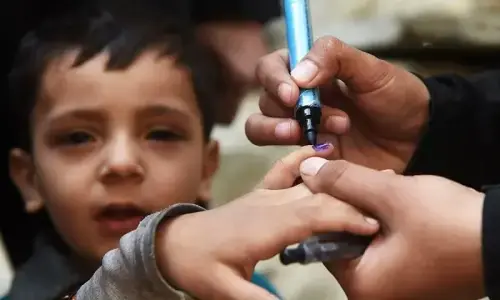
The WHO, he said, had pledged to provide basic health facilities to IDPs and a vaccination programme would be started for them in collaboration with the health department. The WHO had also agreed to provide information regarding the capacity of basic health units and the number of staff to be needed by the IDPs.