



 0
0

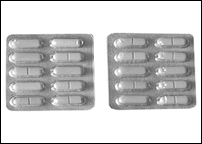 GENERIC drugs now account for more than $40 billion in prescription sales worldwide. More than $80 billion worth of global blockbuster drugs faces US patent expiry by 2008. The battle for market share between the booming generics drugs and their branded products is raging globally.
Pakistan’s pharmaceutical industry is small and valued at $1.25 billion It. generated revenues of over Rs89.7 billion last year while growing at 11.63 per cent per annum. The national pharmaceutical segment is growing a little faster at 14 per cent.
Pakistan is a country of ‘second-registration’ for pharmaceutical products and as patent expiry looms, branded drugs can no longer focus only on cleverly extending product lives. They now need defensive strategies to combat their generics competitors actively and retain market share.
To maintain rapid growth, generic drugs makers not only need to understand the nature of these defensive strategies, but they must also be prepared to deal with them as they bring their products to the market. It is extremely important to reiterate and reinforce some very important and basic facts and figures about generics and to dispel misconceptions.
A generic medicine is an equivalent of an originator pharmaceutical product. It contains the same active substance as, is “essentially similar” to, and is therefore interchangeable with, the originator product.
A generic medicine is marketed in compliance with the patent law. It is identified either by its internationally approved non-proprietary scientific name (INN) or by its own brand name. Generic medicines are widely used in USA, many EU countries and in developing world in cost-effective treatment programmes, and are increasingly prescribed by doctors as effective alternatives to higher-priced originator pharmaceuticals.
As a matter of fact, the generics industry claims more than 50 per cent of all prescriptions filed in the USA, the world’s largest drug market. Yet less than a quarter of all spending on drug discovery, development and commercialisation is for generics.
A generic medicine undergoes strict scrutiny before it is licensed and given market approval by Pakistan’s Drug Control Authority. -
A generic medicine is typically 20 to 80 per cent less expensive than the brand-name original. In addition, the availability of lower-priced generic medicines brings down the price of originator drugs through market competition, producing even further savings to patients. This contributes to saving of large amounts of precious foreign exchange and promotes the national industry.
In an era when increasing demands are being made on healthcare system and services, generic medicines ensure patient access to quality, safe and effective medicines while reducing the cost of health care. Allowing effective competition between generic medicines and patent-expired original brands is crucial to lowering pharmaceutical costs and stimulating innovation.
Pakistan’s generics manufacturers are exporting quality generic products globally, and thus are making a positive contribution to exports in pharmaceuticals. Economically priced generic medicines provide a cost-effective means of controlling the fastest growing budget item in healthcare.
Several generic companies not only develop important generic equivalents of well-known patent expired products, but also develop new formulations and dosage regimes, methods of delivery, and are involved in other aspects of product development. Indeed a small number of generic companies from both developed and developing countries have gone on to develop their own new chemical entities (NCE). It is extremely important to shed light on the monopolising practices that lead to a perpetual hold on many life saving and essential drugs.
Evergreening, in one common form, occurs when the brand-name manufacturer literally “stockpiles” patent protection by obtaining separate 20-year patents on multiple attributes of a single product. These patents can cover everything from aspects of the manufacturing process to tablet colour, or even a chemical produced by the body when the drug is ingested and metabolized by the patient.
In the 1980s the list of a drug’s properties eligible for patenting was relatively limited. They included, primary uses, processes and intermediates, bulk forms, simple formulations and composition of matter
During the 1990s the list grew to 18, nearly four times the amount of a decade earlier, to include patents on such additional aspects as: expansive numbers of uses, methods of treatment, mechanism of action, packaging; delivery profiles, dosing regimen, dosing range, dosing route, combinations, screening methods, chemistry methods, biological target and field of use.
Research costs: When evergreening through patent strategies, the originator manufacturer simply keeps adding patents to the product (whether legitimate or not), essentially forcing the generic manufacturer to choose between waiting for all the patents to expire and applying for marketing authorization anyway, running the risks of litigation and the associated costs and delays.
In fact, the practice has grown to such proportions that even the originator industry, caught in the trap it itself created, has begun to complain about the costs involved in litigating disputes over multiple pharmaceutical patents involving their own research.
Life-cycle management: Indeed, originator laboratories no longer wait until the end of a product’s patent life to begin the evergreening process. In order to maximise revenues from their products, pharmaceuticals executives begin preparing strategies to extend patents and stifle generic competition at the outset of product life-cycles.
To evergreen their products, the originator company develops what are euphemistically called, “life-cycle management plans“ composed not only of patent strategies, but an entire range of practices aimed at limiting or delaying the entry of a generic product into the market.
Questionable practices: While most of these strategies , in the strictest sense of the word are legal but most of them represent a misuse of pharmaceuticals patents and the regulations governing authorisation. Evergreening is clearly anti-competitive, results in higher expenditure for Pakistan’s financially burdened healthcare systems, and drives up patient payments.




























