



 0
0

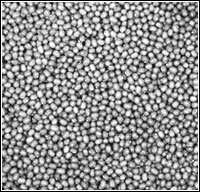 PULSES are the most important crop next to cereals which belong to the family leguminosae. They are an excellent source of protein and are inexpensive as compared to animal protein. Pulses having high nutritional value provide a balanced diet to millions of people in combination with wheat, rice and other cereals.
Vegetable products provide the highest energy of 2,230 k cal. Pulses are the highest among vegetable products and provide about 48 per cent more dietary protein in comparison with animal products.
Beans are one of the most valuable of all pulses. In addition to their high protein value, they are also used as a source for a variety of products. Patties, soymilk, soy sauce and cosmetics are made from beans. Soymilk boiled with magnesium or calcium salts form curds of coagulated protein which are rich in vitamin C and are used in salads. They contain up to 40 per cent protein on dry weight basis and are high in all the eight essential amino acids.
Pulses crops maintain soil fertility by fixing atmospheric nitrogen in their root system forming nodules through symbiosis with rhizobial bacteria. Nitrogen requirements of the pulse crop are low and thus it minimises its nitrogen needs for succeeding crops by around one-fourth of its total requirement.
There are hundreds of species of pulses, including beans and peas with different sizes, colours, shapes and growth habits. They represent a major component of the world’s vegetables. The major pulse crops grown in the country are chickpea, lentil, pea, black gram, green gram, mung bean, mash bean, kidney bean, faba bean, pigeon pea, cowpea and grass pea.
Production of pulses is affected by many biotic and abiotic stresses which hamper the realisation of the yield potential of the crops. More than 90 per cent area under pulses is rain-fed, which is subjected to soil moisture stress due to shortage of rainfall. It is, therefore, important to use proper moisture conservation practices to avert moisture losses from the soil.
The moisture content of soil around the field is usually adequate for the germination of pulse seeds. Seed germination is adversely affected if soil moisture is in excess. Optimum temperature for germination of seed is 30o C. It, therefore, is needed to sow the crops at proper time for maximum germination.
Pulses, for a long time, have been grown with poor management practices resulting in poor yield. Proper land and seed-bed preparations are important for better germination of seeds, crop establishment and good yield.
Harvest index of pulses is very low between 0.1 and 0.2 as against around 0.5 in wheat and rice. Pulses are energy-rich crops and need more energy inputs compared to cereals.
Insects, animal pests, weeds and diseases are major causes of poor yield of pulse crops. Pesticides playing an important role in controlling pests but their application must be compatible with other practices of pest management.
As pulse crops are mostly grown under rain-fed conditions, drought is one of the major constraints to high productivity. Drought, which is mostly due to high temperatures of the area, causes poor grain filling and poor yield. Therefore, supplementary irrigation at critical stages of the crop is needed for better development of the crop.
Non-availability of rhizobium culture and quality seed in time further limit pulses productivity. Pulses symbiosis with rhizobium is a system through which atmospheric nitrogen become available for the crop plants. High temperatures and soil salinity adversely affect this system. There is a need for the development of more densely nodulating genotypes that can satisfy their own nitrogen requirements.
An important reason for low yield is also the imbalance use of plant nutrients. Apart from deficiency of major nutrients i.e. nitrogen, phosphorous and potassium, deficiencies of iron, sulpher and zinc can also affect productivity. On low fertile soils, small amount of nitrogen is needed for optimum growth of the crop. Similarly other nutrients should be used according to deficiencies after soil test. Proper application of fertiliser is very important together with foliar application to overcome micronutrients deficiencies i.e. iron, sulpher and zinc.
Pulses are often intercropped or mixed with other crops, primarily due to their long duration with slow initial growth. They can be grown as mixed crops with cereals and other commercial crops under sub-marginal conditions. For using pulses in intercropping, it is important to use short-duration pulse crops which can be fitted in a series of multiple cropping systems with cereals and other crops.
In irrigated areas, after the harvesting of wheat, potato, sugarcane or chickpea short duration pulse crops such as green gram or mungbean and cowpea can be grown as an additional crop during summer before planting kharif crops. Under dry land conditions, double cropping of wheat with pigeon pea, mungbean and mash bean has been successful.




























