0
0

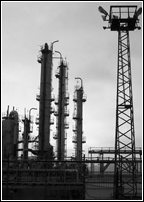 DURING the ’50s and ’60s, use of fertiliser in the country was very limited. The reasons behind increased use were the introduction of high-yielding varieties of wheat, rice and cotton, expansion in cultivation areas, especially of wheat, and the public sector support in terms of subsidies, credit and support prices.
Due to rapid increase in fertiliser use, crop production has become stagnant. One of the major reasons for stagnant yield of most major crops is also highly imbalanced use of fertiliser. Farmers have been applying large quantity of nitrogen, but only small quantities of phosphate. Other fertilisers, such as potash and micronutrient are hardly used. Fertiliser promotion activities undertaken by the industry, in the beginning aimed at increasing per hectare use of fertiliser. However, at present it is focused on balanced, efficient and economic use of fertilisers.
The government has also extended subsidy on urea, and phosphatic and potassic fertilisers. As a result, the prices of a 50kg bag of these fertilisers have been reduced by Rs250, which encourages a balanced use of key fertiliser (urea, phosphatic, potassic). On the other hand, import of fertiliser has also decreased together with off take of phosphatic and potash fertilisers. Although, fertiliser use here, as compared to other countries, is still below the desired level, a judicious and balanced use of fertiliser can, nevertheless, bring about a substantial increase in crop productivity.
Chemical fertilisers provide plant nutrients in a most available form. They provide all primary nutrients, secondary and micronutrients to replenish the soil nutrients, which are taken by the plants. The optimum nutrient concentration differs for different nutrients and different stages of growth. For example, corn has a high requirement for P during early growth stages and responds well to fertiliser applied with the seed.
Optimum nutrient concentration and adequate nutrient supply at the critical growth stages of tillering, flowering and grain formation can be assessed by using sufficient knowledge of plant analysis. However, plant part that best reflects nutrient status depends on plant species and mobility of nutrient in plant. The soil is the major contributor of plant food. Plant factors and nutrient mobility within soil determine nutrient uptake from soil with a given level of available nutrient. However, the amount of a nutrient available in the soil can also be determined by chemical extraction.
For P and K, which don’t fluctuate much in availability throughout the year, a soil test can be carried out at any time rather than NO3-N, which fluctuates widely; the test must be taken at a specified time. Fertiliser application should be to ensure an adequate supply of nutrients to meet the plant needs at each growth stage. Application of fertilisers should be timed according to period of nutrient uptake by the crop. Several split dressings may be required especially for water crop to maximum nutrient uptake.
If supply of some nutrients, either micro or macro, is reduced or delayed at the required time and there is excessive or short supply of other essential items, the plant growth is hampered. For example Zn deficiency in rice results in reduced tillering and increased spikelet sterility, while excessive use of N at panicle initiation results in blight. Similarly, in cotton excessive N application than recommended results in prolonged vegetative stage and if high temperature and humidity are also present then heavy infestation of insect pests occur.
Nutrients such as nitrogen that can be supplied in inorganic form and move readily in the soil can be applied at different times during growth so theoretically the supply can be tailored to plant requirements.
Legumes and N fertilisers, used in a responsible manner, will increase crop production, provide quality food, increase net returns, improve soil quality, and reduce N loss via leaching and gaseous means. The key to sustainable management of N is to synchronise N supply with N use by the crop.
Nutrient losses from the soil into surface and ground water (mainly nitrate by leaching and phosphate by erosion) occur even when fertilisers are not used. However, they are increased slightly by correct fertiliser use and are increased substantially by excessive or unbalanced use.
Nutrients such as P, which are relatively immobile, must be applied so that an adequate supply is accessible to plants when required.
Farmers’ decision on how much fertiliser is to be used for a specific crop is linked with commodity prices. Higher fertiliser prices combined with lower crop prices can cause farmers to use small quantity of fertilisers. The economics of fertiliser use have always been the over-riding consideration in the demand for fertilisers by farmers, especially the relationship between the commodity price and the input price.
However, for most profitable yield, fertiliser requirement depends not only on plant and soil characteristics but also on the cost of fertiliser and the value of the crop. For mobile nutrients the main factor to be considered is to limit applications at times when soil conditions or crop stage mean that plant growth is slow. In both cases rain can rapidly leach nutrients below the rooting zone.
Nitrate in ground water does not necessarily imply poor management of fertiliser. On an average there has been more nitrogen available from mineralisation of soil organic matter and animal manures than has been from applied mineral fertiliser. The main concerns relate to the lack of synchrony between the availability of nitrate in the soil and its requirement by plants, especially spring-sown arable crops. For immobile nutrients, especially phosphorus, it is important that the nutrient is prevented from moving off the field into nearby watercourses, either by erosion or surface run-off. It is also important to ensure that adsorption sites in the soil do not become saturated because of excessive applications. Under such circumstances P can also become mobile and leach to ground water or enter watercourses through tile drains
Mineral phosphate fertilisers or from town or industrial waste products result in the accumulation of dangerous or even toxic substances like Cd in soil. Nitrate accumulation in ground water diminishes the quality of drinking water. Denitrification of excessive or wrongly placed N fertiliser results in unwanted enrichment of the atmosphere with ammonia from organic manures and mineral fertilisers.
As to contamination of soils with toxic heavy metals, it can easily be shown that mineral fertilisers make only a rather small contribution in comparison with, for example, town wastes.
However, as soil fertility must be considered in the very long term and not only in decades or centuries, the annual addition should be kept at such a low level that the enrichment is negligible. Industrial waste products should always be carefully checked to determine whether they contain potentially toxic substances, and appropriate critical limits should be established. Since pollution of the environment should be minimised, governments should try to control the avoidable negative influences by special laws. A long term, rigid, stable and sound policy on fertilisers is needed to ensure timely availability at maximum affordable prices to farmers throughout the country and to promote their efficient, balanced and environment friendly use at farm level.