0
0

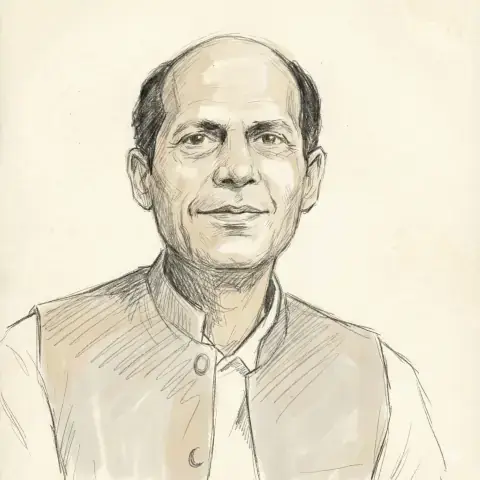
ISLAMABAD, July 27: Supreme Court Bar Association (SCBA) President Munir A Malik, who led the lawyers’ fight for the restoration of Chief Justice Iftikhar Mohammad Chaudhry, on Friday said the country’s judiciary is “still not completely independent”.
“The SCBA will remain vigilant,” he said taking part in a discussion on the implications of the restoration organised by the Human Rights Commission of Pakistan (HRCP) as part of a day- long consultation on national issues.
Mr Malik said the SCBA would urge the apex court to take notice of unjustifiable pricing by the multinational pharmaceutical companies operating in Pakistan and the activities of cartels responsible for keeping the oil prices high despite reduction of petroleum price in the international market.
He, however, said the SCBA does not want to burden the Supreme Court with political questions and said, “we should strengthen the court step-by-step”.
He said a case of high treason under Article 6 of the Constitution would be filed against usurpers of state power and those who were behind the filing of reference against Chief Justice Iftikhar Muhammad Chaudhry, so that no military adventurer could come into power in future.
He said the army was deeply entrenched in every sphere and its serving and retired officers were heading a number of civilian institutions adding that the army had to be cut to size.
He rejected the argument that army should be respected as an institution. “Respecting those who violated their oath enshrined in the constitution and danced on bhangra music in Islamabad while carnage was going on in Karachi on May 12 was not possible”, he remarked.
Advocate Malik said this would be wrong to suggest that the armymen have to follow discipline and have to refrain from offering comments against the policies of their chief. “People sacrifice their lives for the cause of truth. Cannot we resign from the army if we do not agree”, he posed a question.
He pointed out that various US senior serving militarymen had spoken against war on Iraq and said it was not winnable.
The SCBA chief said the apex body of the lawyers would launch a campaign to get affidavits from political parties expressing their commitment to rule of law, independence of judiciary, freedom of the press, and provincial autonomy.
He said the people would be urged not to vote for candidates of the parties who refuse to sign such an affidavit. “Those who want to see rule of law in the country should not have any problem in signing the affidavits,” he remarked.
Former Chief of Inter-Services Intelligence Gen (retd) Asad Durrani said military coups take place when the army sees smooth sailing ahead.
He said the military rulers find collaborators and observed that military interventions would keep on taking place till the time people keep on easily digesting them.
Defence analyst Gen (retd) Talat Masood said army should be subservient to civilian authority. He said all the political forces should talk to the army for complete restoration of democracy in the country.
He was of the view that international powers wanted continuation of Gen Musharraf in power with some cosmetic changes in the setup. Veteran politician Air Marshal (Retd) Asghar Khan said army’s intervention in politics was a crime.
He said he does not have much expectations with the political parties which had a track record of conspiring against their political opponents who succeed in coming into power and regretted that it was done in collusion with the intelligence agencies.
He said his petition seeking determination of the role of ISI and recovery of money distributed among the then Islami Jamhoori Ittehad (IJI) components by it was pending before the apex court since long time.
Mir Hasil Bizenjo also held the political parties responsible for the problems the country had been facing saying that they get vote from the people but seek authority from the army.
Awami National Party leader Afrasiab Khattak said FM radio stations being controlled and run by Mullahs were inciting people without any fear of being taken to task.
He alleged that this was a state policy to give strategic depth to the Taliban in certain areas. He said the civil society on the one hand was bearing the brunt of state oppression and was faced with the challenge of rising militancy.
He called for reforms in Federally Administered Tribal Areas (FATA) and lamented that the political parties act had not been extended there as yet despite repeated promises by the government.