0
0

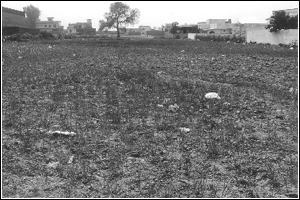 ISLAMABAD, Feb 18: The current dry spell in the arid areas is a direct result of nuclear detonations in Pokhran (India) and Chaghi (Pakistan), and the recent bombings in Afghanistan, an agricultural expert, Dr Zafar Altaf, told Dawn.
“The current dry spell is more of an environmental problem than Al-nino phenomena,” Dr Altaf, who recently retired as the federal secretary, Food and Agriculture, said.
The villagers, specially those residing in the arid areas, are facing famine-like situation due to the prevailing drought in the area.
Visits of the areas revealed that people were facing famine- like situation as food stocks for their families and livestock had depleted to an alarming level.
According to Dr Zafar Altaf, livestock is the main source of income for the people of these areas. He said if the livestock, which was a source of earning revenue for the rural folks, was destroyed, their whole economy would be shattered.
Wheat production in the arid areas has been severely damaged and the government would have to act, sooner than later to help them out. The wheat production in the arid areas constitute 15 per cent of the total wheat production and that was largely by them.
Dr Zafar said the bomb blast in May 1998 and the recent incessant bombing in Afghanistan had raised the temperatures in the area.
He said the low air pressures which were witnessed in Iran were not coming to the area.
Chaudhry Nazir Hussain, a farmer from Chakwal district, told Dawn that it had become difficult for the farmers to ensure food for their families who totally relied on agriculture.
Nazir Hussain, who owns 10 cows, said last year when the whole wheat crop was destroyed due to low rains, he had to spent about Rs20,000 on the purchase of wheat for his family and Rs30,000 on the purchase of hay for his livestock.
All the savings have gone, he said, adding that it was hoped that bad weather would end. He said the wheat crop in the area had been damaged beyond repair.
“If there are incessant rains for many days, then the people may be able to produce half of their requirements.”
He demanded of the government and specially those army officers who hailed from the area to do something for them.
The government which tried to overcome the problem through artificial rains last years, have abandoned the project, without assigning any reason.
Mohammad Hanif, an official of the Meteorological Office, told Dawn that the project for artificial rains, was still under study and research was being conducted.
He said artificial rains were more successful in the summer seasons than winter.
He said rainfall in the winter season was below normal. Forecast for the remaining period of winter (March) is also not encouraging as the rains will be below normal.
He said the area in which Pakistan situated, was under high pressure but disagreed with the view that high pressure was due to nuclear blasts.
He said the average snowfall in Murree was 11 to 12 feet. So far there is only four feet of snowfall, which is far below the average, but, much better than last year, when there was only one feet of snowfall in Murree.