0
0

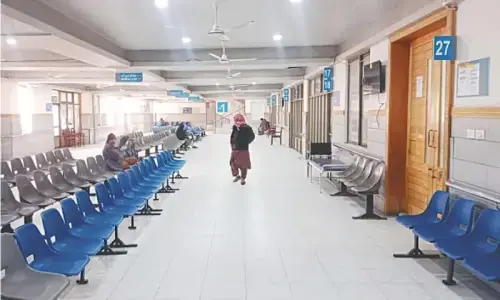
TBILISI: At a polling station in the upscale Vake neighbourhood of Tbilisi, voters lined up on Thursday to cast ballots in municipal elections were not grumbling about roads or garbage collection.
They were worried about a diplomatic crisis with Russia.
“I was planning on voting for the opposition a week ago, but now that Saakashvili has uncovered the true face of Russia for the whole world to see, I’m voting for the nationalists,” said Timur Tkebuchala, 56, an electrician.
Georgia’s municipal elections are now being seen more as a barometer of President Mikheil Saakasahvili’s performance in the country’s stand-off with Russia than his Nationalist Party’s record on local issues.
Russia has slapped hefty economic sanctions on Georgia in an apparent attempt to undermine Saakashvili in retaliation for last week’s arrest of four Russian officers accused of spying.
Russia is also angered by Georgia’s firmly pro-Western stance and the desire of its US-educated leader to bring his country into Nato and the European Union.
So far, it looks as though the plan is backfiring, with anti-Russian sentiment hardening in Georgia, and business leaders as well as city dwellers falling in line behind their president.
“I cried so hard when the Russians did this, I couldn’t believe it,” said Lyuba Tumanova, a pensioner.
“They say Russia has a generous soul. Well, they shouldn’t say that any more,” she said.
Russia has blocked all mail and transport links between the two nations.
Postal money transfers and cash carried by hand over the border are an economic lifeline for hundreds of thousands of Georgians dependent on remittances from relatives working in Russia.
On Monday, the day Saakashvili’s government handed the alleged spies back to Russia in a tightly choreographed televised ceremony, the president’s party’s ratings were the highest they’ve been all year, pollsters said.
Approval was at 45 per cent up from 31 per cent earlier in the year, said Levan Tarkhnishvili, co-owner of the polling organization Business Consulting Group Research.
Tarkhnishvili said a series of earlier diplomatic flare-ups with Russia have steadily inflated Saakashvili and his party’s standing following a slump in popularity after the Rose Revolution that brought him to power in 2003.
“We can predict that this crisis will affect the party’s rating in a similar way, but the results of the elections will be a true indicator of the population’s support for the government,” Tarkhnishvili said.
Meanwhile, Russia planned further banking and immigration controls on its southern neighbour and Russian police intensified checks on Georgian immigrants and businesses.
About 800,000 Georgians live in Russia, most of them illegally.
The timing of the Russian officers’ arrest last week just ahead of municipal elections seems to have played into the hands of Saakashvili, but voters appeared sceptical that it could have been a government plan.
“What, are we supposed to not arrest Russian spies or something? In my opinion this was a complete coincidence,” said 70-year-old Givi, who did not give his last name.—AFP