0
0

PAKISTAN’S mediation efforts in the Iran-US crisis appear to be entering their most consequential phase yet.
The statement by ISPR following Field Marshal Asim Munir’s visit to Tehran spoke of “encouraging progress towards a final understanding” after intensive negotiations with Iran’s senior leadership. That language matters because developments over the past 24 hours suggest the talks have moved beyond broad appeals for restraint into detailed bargaining over the terms of a possible interim arrangement.
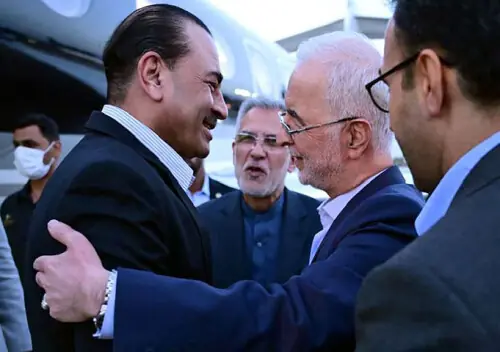
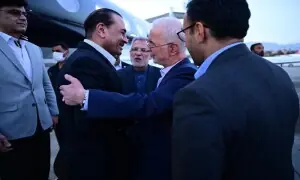
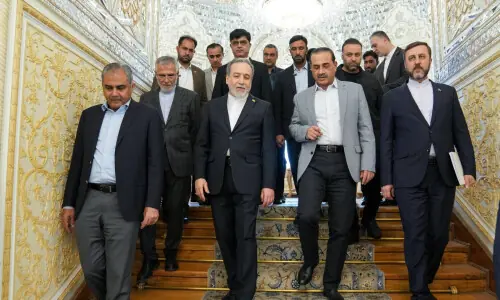
According to ISPR, the field marshal held meetings with Iranian President Masoud Pezeshkian, parliament speaker Mohammad Bagher Ghalibaf and Foreign Minister Abbas Araghchi as part of efforts to consolidate the fragile ceasefire that has held since April 8.
Reports suggest the discussions are now focused on finalising a 14-point Iranian framework touching on sanctions relief, the future of the Strait of Hormuz, limits surrounding Iran’s nuclear activities and guarantees against renewed military action.
Yet the atmosphere surrounding the talks remains cautious. Iranian officials continue publicly to insist that Tehran will not compromise on what they describe as national rights and sovereign interests. Speaker Ghalibaf reiterated during talks in Tehran that Iran remained deeply sceptical of US intentions and would respond forcefully to any renewed military escalation.
At the same time, diplomatic activity around Tehran has intensified considerably. Qatar has now joined the mediation effort, while reports suggest discussions are increasingly centred on a temporary memorandum or phased stabilisation formula intended to prevent a return to open conflict while broader negotiations continue. Washington’s messaging reflects the same tension between pressure and diplomacy.
President Donald Trump has continued to warn that military action remains an option if negotiations fail. But senior American officials have simultaneously acknowledged movement on key issues.
Secretary of State Marco Rubio has spoken of “some progress” while cautioning that major disagreements persist, particularly over Iran’s enriched uranium stockpile and Tehran’s demands relating to the Strait of Hormuz. Mr Rubio also publicly acknowledged Pakistan’s central role, describing it as the “primary interlocutor” in the negotiations and confirming constant communication with Pakistani mediators.
Pakistan deserves credit for helping preserve diplomatic space at a time when the region seemed dangerously close to another escalation cycle. Few countries today maintain workable ties simultaneously with Tehran, Washington, Beijing and the Gulf capitals. That diplomatic flexibility has given Islamabad unusual relevance.
Yet mediation also carries risks. Pakistan must avoid becoming entangled in competing regional agendas or appearing aligned with coercive pressure from any side. The current opening remains fragile. But after weeks dominated by threats, disrupted shipping routes and fears of renewed war, even tentative movement towards a workable understanding offers the region some much-needed reprieve.
Published in Dawn, May 24th, 2026