0
0

ISLAMABAD: The Chinese poverty alleviation model has lifted more than 700 million people out of poverty since China’s reform and opening up, Dr Ashfaque Hasan Khan, Principal Nust School of Social Sciences and Humanities said on Thursday.
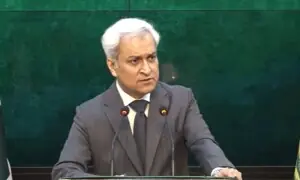
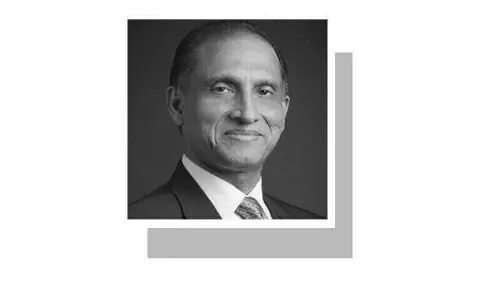
Dr Khan, who is also the Director General Nust Institute of Policy Studies (NIPS), highlighted that the key pillars of Chinese model were targeted, data-based pro-poor approach, a framework of sustained, multifaceted anti-poverty public-private partnerships, composited package of localised and decentralised solutions, a tradition of firm leadership and a flexible plan for sector-wise interventions.
He was addressing a seminar titled, “Socio-economic Development in Pakistan: Strategies to Alleviate Poverty”, held by NIPS, Islamabad Policy Research Institute (IPRI), and the Centre of Pakistan and International Relations.
Dr Khan identified three major types of poverty in Pakistan, including the opportunity poverty, second category was the education and skills poverty, whereas the last one was poverty due to disability, marginalisation, and discrimination.
Keynote speaker Owais Ghani, former Governor Balochistan and KP stated that development invariably presupposed good governance, which of necessity required urgent systemic reforms.
Published in Dawn, December 9th, 2022