0
0

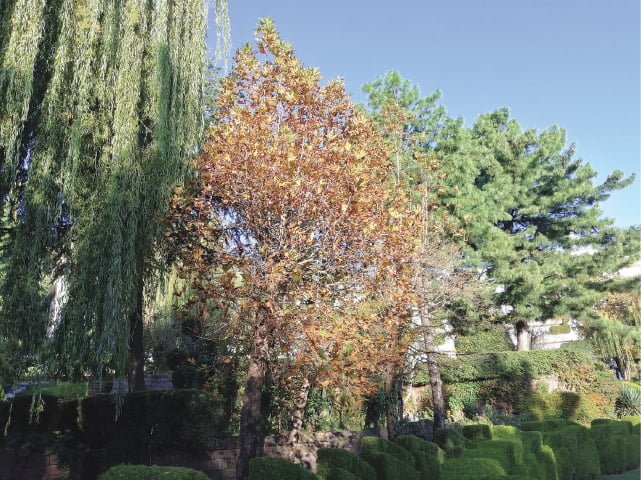
The familiar rustling sound of crumbling dried leaves underfoot is echoing again. As green turns to red, yellow, purple and brown, nature signals that it is time for autumn to embrace our surroundings. The word autumn is derived from the Latin word autumnus. Mostly autumn and fall are used synonymously and interchangeably.
With the end of summer and just before the beginning of winter, there is a phase when days start shortening. With less access to sunlight, the process of photosynthesis — in which green leaves convert sunlight into chemical energy for plants — begins to slow down. There is a degradation of chlorophyll, the green pigment of the leaves, which is critical for photosynthesis.
One of the characteristic features of the autumn season is the shedding of the leaves by trees — a phenomenon known as leaf abscission. But before the eventual drop of the leaves, the green colour is replaced by other colours which, because of their rarity throughout the year, is often a sight to watch as well. The change in colour, however, is due to the already existent and now overpowering carotenoids taking over.
The carotenoids, which contain yellow and orange colours, now take front seat after the degradation of chlorophyll. In some cases, it is anthocyanin which collects in the leaves, providing them with different shades of purple and red.
Aside from the visual joy the change of colours of trees and the shedding of leaves brings, decaying leaves also provide soil with nutrients
Leaves, from many species of trees that are not perennial, are highly unlikely to bear the cold season. The shedding of leaves helps the tree by removing a burden during sunlight deficient months. A lack of chlorophyll, nutrients and photosynthesis not only means that leaves are not performing their core responsibilities but, most importantly, these unproductive leaves will now sap the tree of its very critical energy reserves.

Trees adopt this protective mechanism of shedding leaves in a controlled fashion to ensure their survival through the upcoming brutal winters. This way, trees tend to conserve energy and begin fresh with new leaves sprouting in spring.
The leaves that drop on the ground may be inconvenient for those who have to rake their lawn themselves. However, they should not be burnt like trash or garbage, sadly a regular practice in most neighbourhoods. Many gardeners use the ash of burnt leaves as pest and insect repellents by sprinkling it on plants.
Fallen leaves also attract many artistic souls who find them another source of natural beauty and inspiration. You may have also seen children happily jumping into heaps of collected dried leaves and enjoying the new season. Likewise, they are a source of inspiration for many gardeners as well. As these dried leaves on the ground decay, they provide the soil with improved organic matter and nutrients for plants, especially when the time comes for new foliage.
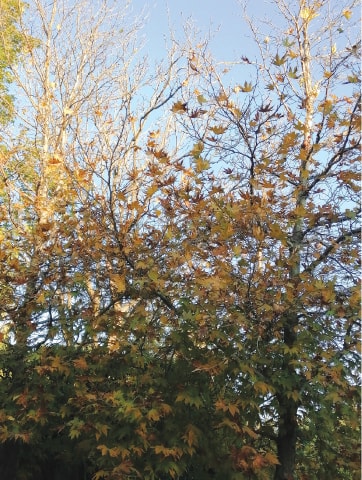
These leaves are also collected by gardeners in bags, which are stored to make healthy fertiliser, organic leaf compost for plants. This organic leaf compost is filled with nutrients beneficial for growing plants. It is, therefore, added and mixed with soil to enrich it. This leaf compost also helps to retain and conserve water while being used in mulching. Mulch is a multifunctional collective covering of different materials that is applied to the soil. Leaves from different trees and plants account for a variety of nutrients being added to the leaf compost.
If you have a park nearby, it is the best time to collect a variety of fallen, dried leaves to make leaf compost for your lawn. We will soon cover how to easily prepare the leaf compost at home from dried leaves and the benefits of mulching for soil enrichment and water conservation.
Autumn in Pakistan begins roughly in the latter half of September and ends before the advent of winter during early November. It hardly accounts for six to eight weeks but, in a tree life cycle, it is a very impactful phase of the year. The trees continue to shed leaves which are blown away by the silent, cool, evening breeze. All these processes let us know that winter is coming.
Please send your queries and emails to doctree101@hotmail.com. The writer is a physician and a host for the YouTube channel ‘DocTree Gardening’ promoting organic kitchen gardening
Published in Dawn, EOS, October 30th, 2022