



 0
0

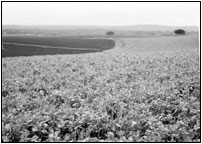 WEEDS are harmful plants within a crop because they compete for nutrients, water, space, light and significantly reduce crop yield. Weeds also harbour pests and diseases, interfere with harvest operations, and increase the cost of cleaning and drying of the produce. Among 300,000 species of plants on earth about 250 are harmful and are known as weeds.
For economical and profitable crop production, it is necessary to manage weeds. For that purpose herbicides are used to kill or inhibit weeds. The first widely used herbicide was 2,4-dichlorophenoxyacetic acid (2,4-D), developed by a British team during the World War II.
Development of herbicides was welcomed by farmers as a means to control weed and ensure a better crop. Herbicides though help increase yield and bring consistency to crop production, its non-judicious use results in environmental degradation and health problems. Toxic residues of herbicides from plants or soil enter in the food chain and may prove hazardous even to the future generations. These toxic herbicide residues in environment and food chain have resulted in dangerous diseases not only in human beings but also animals. Exposure to herbicides has been strongly associated with neurological, reproductive, immunological defects, hyperactivity, pulmonary fibrosis, kidney damage, leukaemia and damage to blood/brain barrier in children, and birth defects in newborns due to maternal exposure.
It has also been found that in some cases herbicide can cause some weed species to dominate fields because it develops resistance against herbicides. In addition, some herbicides destroy weeds that are harmless to crops, resulting in a potential decrease in biodiversity on farms. Environmental, health and resistance development issues, therefore, stress the need for non-chemical or organic weed control techniques.
Organic weed management is a system involving an entirely different approach for managing a farm. A farmer who manages weeds organically must be familiar with the type of weeds and their growth pattern to determine which methods are needed to control it. Organic weed control can have different approaches and can only be successful when several approaches are integrated into the weed management programme.
The first step in organic weed control is to reduce weed pressure by managing its seed bank. To achieve this objective, thoroughly compost animal manure must be used to kill weed seed and by checking its mixing with crop seeds. Cultivation is critical to weed control on organic farms, and a variety of tools are needed according to the type of weed, crop and soil situation. Over the season, different tools are needed as the crops and/or weeds grow. Blind cultivation controls very small weeds. As crops grow, soil can be thrown into the row to bury in-row weeds using rolling cultivators.
Cover crops suppress weeds by competing for light, soil moisture and nutrients, and by allelopathy, in which plants or their residues release substances that inhibit germination or growth of other plants. Cowpea, pea, oats, clovers, mash bean and mung bean are some crops that can be used successfully as cover crops. Cover crop residues on the soil surface suppress weeds by shading and cooling the soil.
Crop rotation is the practice of growing a series of dissimilar types of crops in the same space in sequential seasons to avoid the build up of pathogens and pests that often occur when one species is continuously cropped. The success of rotation systems for weed suppression appears to be based on the use of crop sequences that create varying patterns of resource competition, allelopathic interference, soil disturbance, and mechanical damage to provide an unstable and frequently inhospitable environment that prevents the proliferation of weed species. Diverse crop rotations are essential to build a healthy, sustainable organic system and break weed cycles. In general, it is best to alternate legumes with grasses, spring-planted crops with fall-planted crops, row crops with close-planted crops.
Mulching or covering soil surface can prevent weed seed germination by blocking light transmission. Allelopathic chemicals in the mulch also can physically suppressing seedling emergence. There are many forms of mulches available.
The concept of biological weed control is based on the premise that certain biotic factors differentially influence the distribution, abundance, and competitive abilities of different plant species. Biological weed control is, therefore, an approach using living organisms to control or reduce the population of a selected, undesirable, weed species, leaving the crop unharmed. Biological control of weeds by using plant pathogens is accepted as a practical, safe, environmentally beneficial weed management method applicable to agro ecosystems.




























