0
0

ISLAMABAD, Nov 20: Pakistan is unlikely to achieve population stabilisation by 2020, with 64 per cent of population unwilling to go for family planning in near future.
The overall vision of the National Population Policy 2002 was to reduce fertility through enhanced voluntary contraceptive adoption to replacement level 2.1 births per woman by 2020.
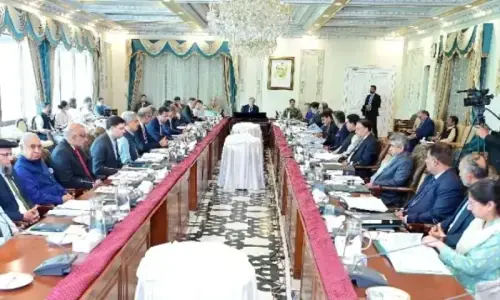
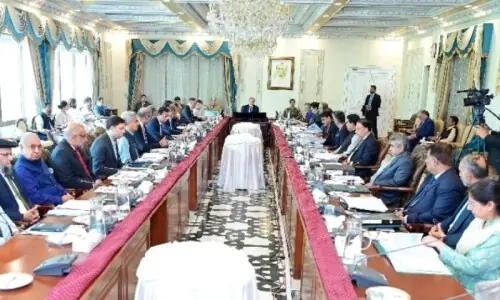
During his presentation made at the first day of the two-day “international conference on best practices for scaling up reproductive health and family programmes and reducing maternal and neonatal mortality”, Director-General Programmes Ministry of Population Mian Muazzam Shah said that desire for more children was the major hurdle to adoption of family planning.
The official said that lack of inter-spousal communication, fear of side effects, health concerns about contraceptive methods and unavailability of correct information about family planning discouraged people to use contraceptives. Even educated couples have expressed their reservations about use of contraceptives, Mr Shah said.
Population Secretary Shahzado Shaikh said that the country was struggling against high maternal and neonatal mortality for improving economic growth, development and welfare of people through Population Welfare Programme.
He said Pakistan, with an estimated population of 156.26 million, was ranked the 6th most populous country in the world where current population rate was 1.86 per annum. The country’s population would double in next 38 years putting an unbearable pressure on its socio-economic indicators, the secretary said.
However, he argued that the government had accorded high priority to the Population Welfare Programme and a National Commission on Population Welfare with prime minister in the chair had been set up for the sustained political support.
In his remarks at the inaugural session of the two-day conference, Minister for Population Ch Shahbaz Hussain said that with 2.9 million births taking place each year, like other countries in the region, we cannot be rescued out of poverty web unless the population growth rate was controlled.
The minister said that the government was committed to achieving the millennium development goals (MDGs) adding that many initiatives had been launched to honour these commitments.
“I am sure that Population Welfare Programme would go a long way towards achieving these international commitments,” the minister said.
During a session, a delegate from Egypt contested that there was a pressing need to change the happy family model of “one boy and one girl” being promoted mainly in the developing countries.
In search of a baby boy, couples end up in having three to four children, she said. Her argument was also shared by the other participants of the conference.
Talking to this correspondent, a couple of local delegates criticized the government for failing to provide quality services to the grassroots. They said one out of four married women wanted to opt for family planning but unfortunately did not have access to the contraceptives.