0
0

KATHMANDU: Nepal’s parliament and ministers were sworn in on Wednesday at a ceremony which for the first time did not include the king but ill-health forced the prime minister to skip the event.
Parliament slashed King Gyanendra’s powers after he ended 14 months of direct rule in April following weeks of pro-democracy protests by political parties and rebel Maoists.
“The prime minister could not come for the oath ceremony due to health reasons and he will take the oath later in parliament,” Surya Kiran Gurung, parliament general secretary, told journalists. He did not elaborate.
The 84-year-old premier returned on Tuesday from a nine-day trip to Bangkok for prostate laser treatment. Koirala has been plagued by bad health and missed the opening session of parliament in April due to bronchitis.
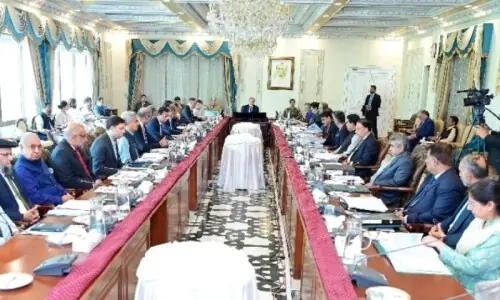
The ornately carved seat where the king formerly sat during parliamentary proceedings had been removed and replaced with a national flag as the speaker administered the oath of office to 19 of 21 ministers and around 200 parliamentarians.
The MPs and ministers read the oath out loud together and tapped the desks in front of them to signify approval when finished.
Ram Chandra Poudel, an MP and general secretary of the Nepali Congress party, said he felt “happy and proud,” after the ceremony.
“The process of institutionalizing a new democratic Nepal has begun now. We have moved away from any kind of intervention from the monarchy,” he told AFP.
The assembled politicians pledged to “be totally honest in performing the duty as approved by parliament that has been restored as per the people’s aspirations” in the ceremony in the house of representatives.
The swearing-in was held according to “the proclamation by the house on May 18 and the house regulation passed on June 10,” Subash Nemwang, house of representatives speaker, told AFP.
Before the new coalition government took over and ended King Gyanendra’s public political role and control of the army, the monarch swore in the premier and other lawmakers. But now oaths will be taken in parliament.
In future, “others, including army (officials), police and civil servants, will be called to take the oath of office in the days to come” in parliament and not before the king, Nemwang said.—AFP