0
0

LAHORE, Oct 21: A plenty of medical resources, both human and material, are available in the quake-hit areas but they (doctors) are unable to perform to the optimum level owing to the lack of coordination.
Many medical teams, including those coming from abroad, have failed to station at proper places and find patients related to their speciality.
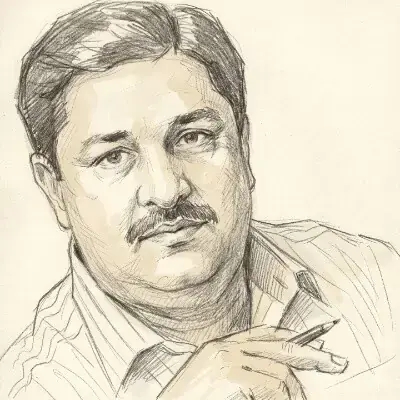
This was stated by Dr Javed Akram, professor of medicine at the King Edward Medical College/Mayo Hospital, after returning from the quake-hit areas.
Prof Akram told Dawn on Friday that he had informed the army personnel and the health department about the situation, but there was no system. As the victims in the quake-hit areas were equally confused, he said most of the time he himself continued to do dressings of the injured.
He claimed that a team of doctors from Italy was leaving for the affected areas without having any knowledge of their duties, thanks to a lack of coordination on the part of the government agencies. Similarly, he said, a team of anaesthetists from France was roaming about in Mansehra and could not find work. He said he himself guided them to work with the orthopaedic surgeons, who also belonged to the KEMC.
Prof Akram suggested that the army must register the medical teams and guide them how to undertake work wherever they required. He said it was also important that the army should create awareness among victims as well as medical teams about the relief measures.
SUICIDE CASES: Prof Akram said it was a matter of grave concern that suicide tendency was on the rise among adolescents and children in the affected areas.
Stating that he himself saw a couple of suicide cases, including a 10-year-old girl, he said, there was a very high proportion of the menace.
He said people had suffered the worst-ever earthquake in the history of Pakistan, which left hundred of thousands of people dead or injured and millions others homeless. He said adolescents and children were in a state of shock after losing their parents and dear ones, and many were those who had also lost their limbs.
Besides, he said, there was a lack of counselling and psychiatric support in the quake-hit areas. As almost 90 per cent of the Balakot population had extirpated, he said, no family support was left for the survivors who had also lost their lifetime savings. “The confidence level of survivors is zero as they do not see light at the end of the tunnel,” he said.
TETANUS CASES: Prof Akram said he had also seen tetanus cases in Mansehra caused by injuries. Stating that he himself treated a few tetanus cases, he added that it was a matter of surprise that the army management was now requesting for the supply of tetanus toxoid vaccine. “Now there is no use of tetanus toxoid vaccine, as the disease had appeared after its 10-day incubation period since injury is inflicted,” he said.
He said the tetanus toxoid was supposed to be given to general population, while a booster dose was needed to be administered soon after people suffered injuries. “The army coordinators should have consulted doctors before requesting for the supply of tetanus toxoid, which was of no use now,” he observed.
RELIEF GOODS: Prof Akram said there was also a great mismanagement with regard to the supply of warm clothes and food items. He said most of the relief goods were being dumped on main roads and the victims, who were living in far-off places, were yet to receive the aid.
“I saw people burning warm clothes (which included neck-ties) for keeping themselves warm in extreme cold weather under the open sky. Mineral water also was being used for ablutions and bathing,” he said.
TENTS: Prof Akram said the race to send tents to the quake-hit areas needed to be rationalized, as these would also be rendered useless when snow-falling would begin in the earthquake-hit areas.
He said it was time to import pre-fabricated material to establish permanent shelters for the quake survivors in their hometowns. He said the modern technology of pre-fabricated material could help houses and even large halls within days, suggesting the government to use funds, generated for the earthquake victims, to import pre-fabricated material and developing permanent shelters for the victims.
Prof Akram said the government should also learn lessons from this catastrophe by re-organizing and preparing contingency plans to meet disasters, be they natural or man-made.
He said it was a pity that the government did not know how many houses or people were living in the quake-hit areas. “I saw army personnel reacting only after receiving information from people that no relief team or goods had reached such and such village,” he said.
He said the government should be prepared to meet any disaster. Stating that no body was immune to natural or man-made disasters, he asked whether there was any contingency plan if a major disaster would occur in Lahore.