



 0
0

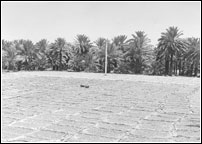 PAKISTAN is bestowed with diverse agro-ecological conditions to produce a range of unique quality horticultural crops. Among them mango and date hold prominent place by ranking second and third respectively in national fruit production. They together contribute more than 25 per cent of the fruit crop and 46 per cent of fruit exports.
With the rapid technological advancements in the areas of communication, logistics and post-harvest management, the international trade in these fruits has now reached over $831 million and the demand is growing. If we are able to meet the international quality standards and demand, we can enter into new markets and can increase our share in international trade of mango and date palm.
Although there has been increase in the cultivated area under these two fruits, both locally and internationally, however, per hectare yield have been almost stagnant. There are problems regarding propagation, management, diseases control. In mango, tree decline, anthracnose and malformation in disorders and fruit fly, hopper and midges in insects are serious threats.
Similarly in date palm, use of unproductive and poor quality indigenous cultivars, non-availability of suckers of commercial cultivars and use of non-systematic pollination methods are major concerns.
Apart from these mentioned problems, the post-harvest losses in these crops, especially in developing countries, are quite high ranging from 25-50 per cent making the industries unsustainable. The bright side of the picture is that there have been significant progress made both at national and international levels in different aspects of fruit culture and export.
Keeping in view these problems of mango and date palm, a need was felt to collect latest scientific and technological information, from local as well international sources to address the challenges and issues in production and exports.
For this purpose, the Institute of Horticultural Sciences, University of Agriculture, Faisalabad recently organized a conference on the “Production for Global Market.”
Eminent scientists, progressive growers, processors, exporters and other organizations involved in supply chain attended the conference.
Speakers emphasized that horticulture has become the back-bone of economies. Many countries are earning billion of dollars as foreign exchange from the export of fruits, vegetables, flowers and value-added products.
Pakistan possesses all the ingredients of success and in certain respects, has clear edge over other competing countries. It will have an easy access to Central Asian Republics which do not grow horticultural crops of tropical and sub-tropical types. Gulf States are net importers of fruits and vegetables. Saudi Arabia alone imports about 0.3 million tonnes of orange concentrates every year from USA and Brazil. This market should be within the reach of Pakistan.
The promotion of post-harvest technology can help export to be doubled by avoiding the post-harvest losses. “Production for Global Market” requires, improvements in genetic plant materials, intellectual property rights legislation, integrated orchard management, developments in post-harvest handling and transportation, consideration of consumer health and food safety issues, capacity building ; corporate farming, cooperative farming, quality regulations, infrastructure developments, logistics, value addition and aggressive marketing campaigns.
General recommendations made by the conference were: Organization of focal/working groups by commodity or technology; collaboration between institutions; international collaboration; development of strategic plan for enhancing export to high value areas like segmentation of products; introduction of fresh dates marketing; innovations; creation of one window operations; minimization and simplification of documentation requirements and support for breeding and propagation research for dates and mangoes.
While addressing the concluding session, Federal Minister for Food, Agriculture and Livestock, Sikandar Hayyat Bosan said that Pakistan is completing its homework to enter into the world agriculture markets and in this connection main stress is being laid on the production and processing of horticultural crops.




























