0
0

WASHINGTON, Jan 5: The Pakistanis living in the United States have urged President Gen Pervez Musharraf to discuss their plight with President George W. Bush and try to get Pakistan removed from the registration list.
The demand emerged at a meeting held at the Pakistan embassy in Washington on Friday, called to prepare the community for special registration with the Immigration and Naturalization Service that begins Jan 13.
Although most Pakistanis wanted the president to seek Bush’s help to get them off the hook, the general consensus at the meeting was that Pakistan was there to stay. No effort could have it removed from the list.
So lawyers and community leaders advised the Pakistanis to register with the INS before Feb 21, when the registration expires as the deadline would not be extended.
The realization followed a three-hour long discussion, one of many the embassy planed to hold across the United States. Immigration lawyers, who had volunteered to offer free advice, were the most forthcoming: “Stop waiting for miracles. Go and register,” said lawyer Rubina Syed.
Denyse Sabagh, a former president of the American Immigration Lawyers Association, was even more forthcoming: “You face deportation if you do not register.”
“Don’t go without a lawyer, especially if you’re out of status — in violation of any part of immigration rules,” she said.
She also urged Pakistanis not to wait to register. “If you wait until the last day, more than likely, you’re going to be in jail,” she warned.
An INS representative, who was at the meeting, endorsed Sabagh. “Last day? No, don’t even wait until the last week. Do it as soon as you can.”
Even Ambassador Ashraf Jehangir Qazi, who in the past had assured the community that Pakistan was trying to get its name deleted from the list, did not insist on the deletion this time.
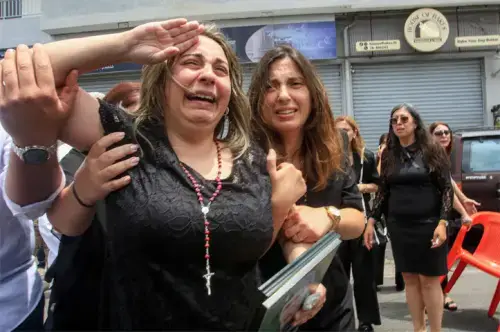
Instead he offered support to desperate Pakistanis, some of whom were in tears. “We are here, call us whenever you want,” said the ambassador, who also had arranged free advice from the lawyers.
The special registration, which includes fingerprinting, photographing and a gruelling interview by the INS and other law enforcement officials, was introduced after the first anniversary of the Sept 11, 2001, terrorist attacks. It first applied to nationals from five Muslim countries that the United States considered high risks for terrorists. It has since been extended to a much broader group of Arab and Muslim countries, including Pakistan.
The lawyers emphasized that all the Pakistani males 16 or older would have to register, except those on the diplomatic visas or working for organizations like the World Bank or the United Nations, and those who travelled outside the United States after Sept 30 did not need to register because they were registered when they re-entered the country.
One lawyer said that those who had travelled after Sept 30 but were not fingerprinted or photographed at a port of entry were also needed to register.
The audience demanded that Pakistan should continue to try to get itself removed from the list; President Gen Pervez Musharraf should visit America and talk to President Bush to remove Pakistan from the list; and if this is not possible, then the Pakistan government and the embassy should try to do whatever it could to help those more than 100,000 Pakistanis who may be affected by the programme.
They suggested that the embassy should stay open round the clock till Feb 21 with one official always available to advise the victims.